
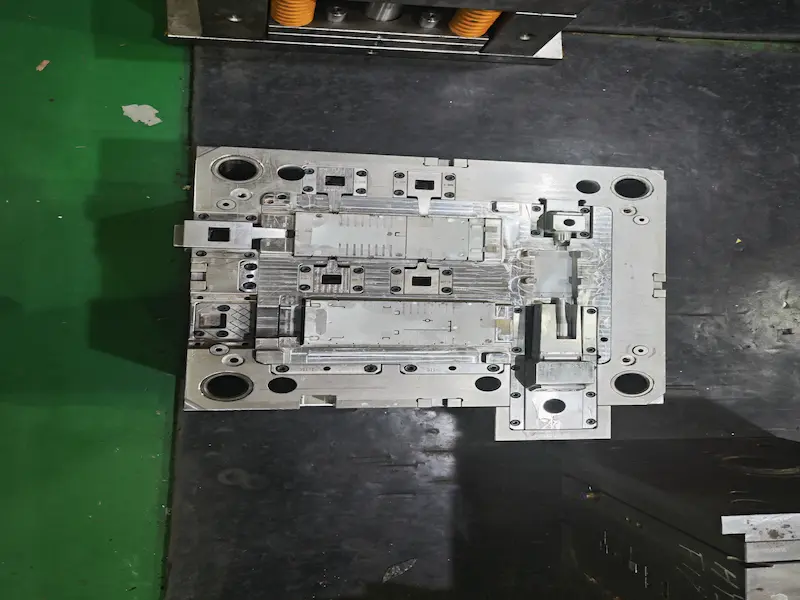
Green Mold Design: Sustainable Strategies for Mold Manufacturing
With increasing environmental regulations and sustainability requirements, green mold design has become an important direction in modern manufacturing. By optimizing material selection, structural design, production processes, and recycling strategies, manufacturers can reduce environmental impact while improving efficiency and reducing costs.
Green mold design focuses on minimizing resource consumption, reducing pollution, and maximizing the reuse and recyclability of mold components.
1. Green Material Selection
The selection of mold materials has a direct impact on the environmental performance of both the mold and the final product. Green materials should meet the following criteria:
- Low pollution, low energy consumption, and reasonable cost
- Minimal environmental impact during processing and use
- Recyclable and, where possible, biodegradable
In practice, environmentally friendly alternatives should be considered, such as:
- Replacing chemical surface treatments with physical methods for corrosion protection or mold release
- Using high-quality mirror mold steel for cavity processing
- Using stainless steel instead of electroplating for corrosion resistance
- Adopting nickel-phosphorus plating as a lower-impact alternative
2. Standardization and Modular Design
Standardization is a key factor in improving mold manufacturing efficiency and reducing resource waste. By using standardized mold bases and components, manufacturers can:
- Shorten design and production cycles
- Improve mold quality and consistency
- Reduce manufacturing costs
- Enable reuse of mold bases after mold scrapping
Standard mold components, such as upper and lower mold bases, guide pillars, and guide sleeves, are typically produced by specialized suppliers. This approach optimizes resource allocation and supports large-scale production.
3. Detachable and Replaceable Design
During mold operation, certain components are subject to wear due to friction and impact. Designing molds with detachable and replaceable parts allows worn components to be replaced without scrapping the entire mold.
Key considerations include:
- Using modular structures for easy replacement
- Prioritizing threaded connections instead of welding or riveting
- Designing working components as interchangeable inserts
This approach reduces material waste, lowers maintenance costs, and extends overall mold service life.
4. Manufacturing Environment Optimization
Noise and pollution in manufacturing workshops, especially in stamping environments, can negatively affect both workers and surrounding areas. Green mold design should consider reducing noise and environmental impact during production.
Effective noise reduction measures include:
- Replacing gear transmission with V-belt systems
- Using friction clutches instead of rigid clutches
- Balancing rotating components such as flywheels
- Adding protective covers to noise-generating areas
- Using mold bases with shock absorption features
5. Sustainable Packaging Design
Packaging design plays an important role in environmental protection. The selection of packaging materials and structural optimization should aim to minimize waste and improve recyclability.
- Use non-toxic, recyclable, and biodegradable packaging materials
- Simplify packaging structures to reduce material consumption
- Avoid materials that are difficult to recycle or require incineration
Efficient packaging design helps reduce environmental pollution and lowers logistics costs.
6. Recycling-Oriented Design
Recycling considerations should be integrated into the mold design stage. Designers should evaluate the recyclability of materials and the feasibility of reusing mold components.
Key measures include:
- Using environmentally friendly and recyclable materials
- Designing structures that allow easy disassembly and material separation
- Reusing mold bases and refurbishing worn components
- Evaluating the economic feasibility of recycling processes
Conclusion
Green mold design is not only beneficial for environmental protection but also improves manufacturing efficiency and cost control. By adopting sustainable materials, standardized structures, detachable designs, and recycling strategies, manufacturers can achieve both economic and environmental benefits.
As sustainability becomes increasingly important in global manufacturing, green mold design will play a key role in building more efficient and environmentally responsible production systems.