CNC prototypes, 3D printed samples, vacuum cast parts, and prototype tooling for checking design details before production.
Fitmold makes prototype parts to help customers test structure, assembly fit, appearance direction, material behavior, and manufacturing risks before investing in molds or production. The goal is not only to make a sample look real, but to understand whether the product can be manufactured reliably.
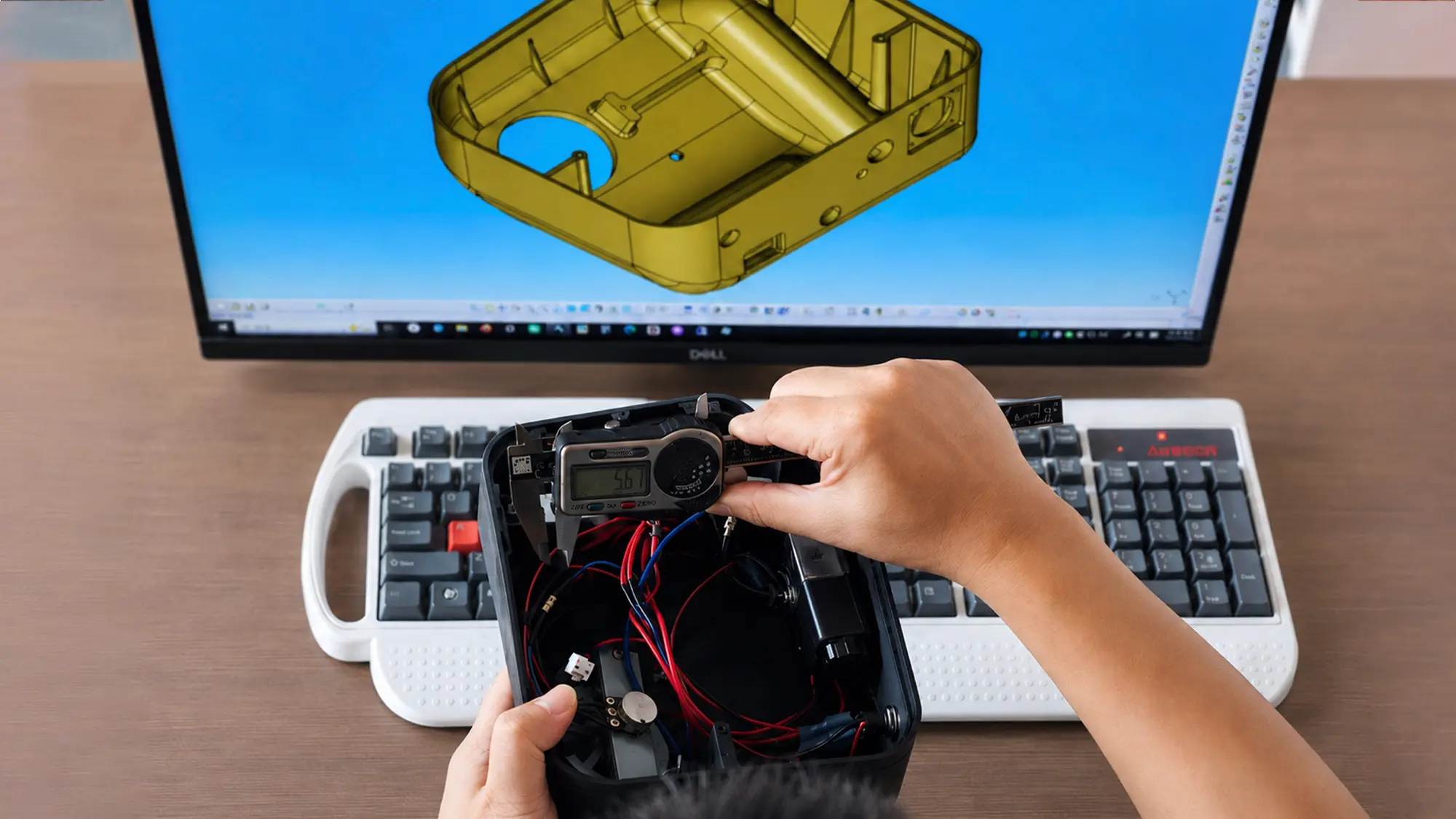
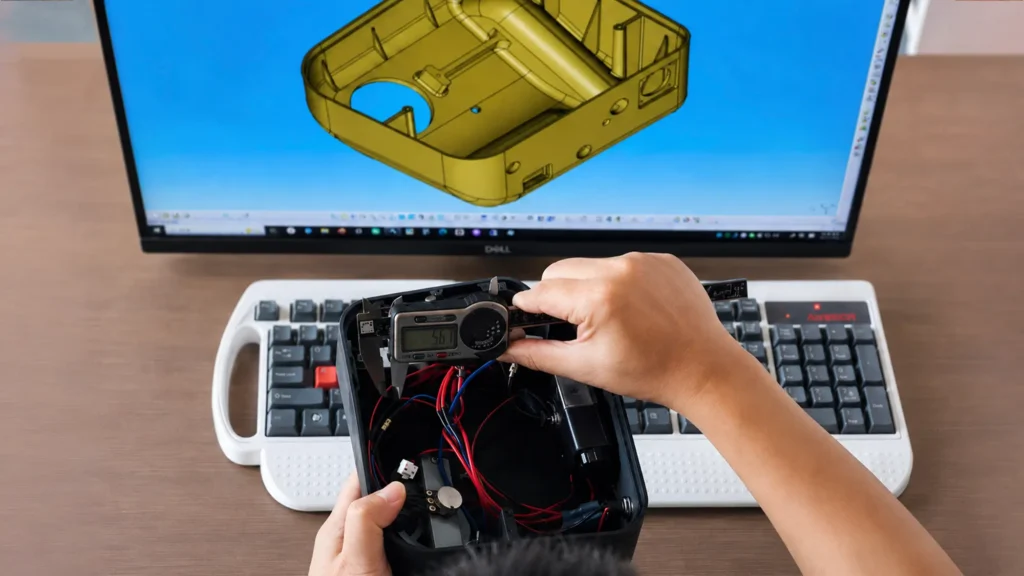
Before investing in molds or production, prototype parts help confirm whether the design works in real use. They can reveal problems with size, wall thickness, assembly fit, strength, appearance, and basic function that may not be obvious from 3D files alone. This early review gives engineers a chance to correct weak areas before tooling starts, when every adjustment becomes more expensive and slower to fix.
1/4
Prototyping With Production in Mind
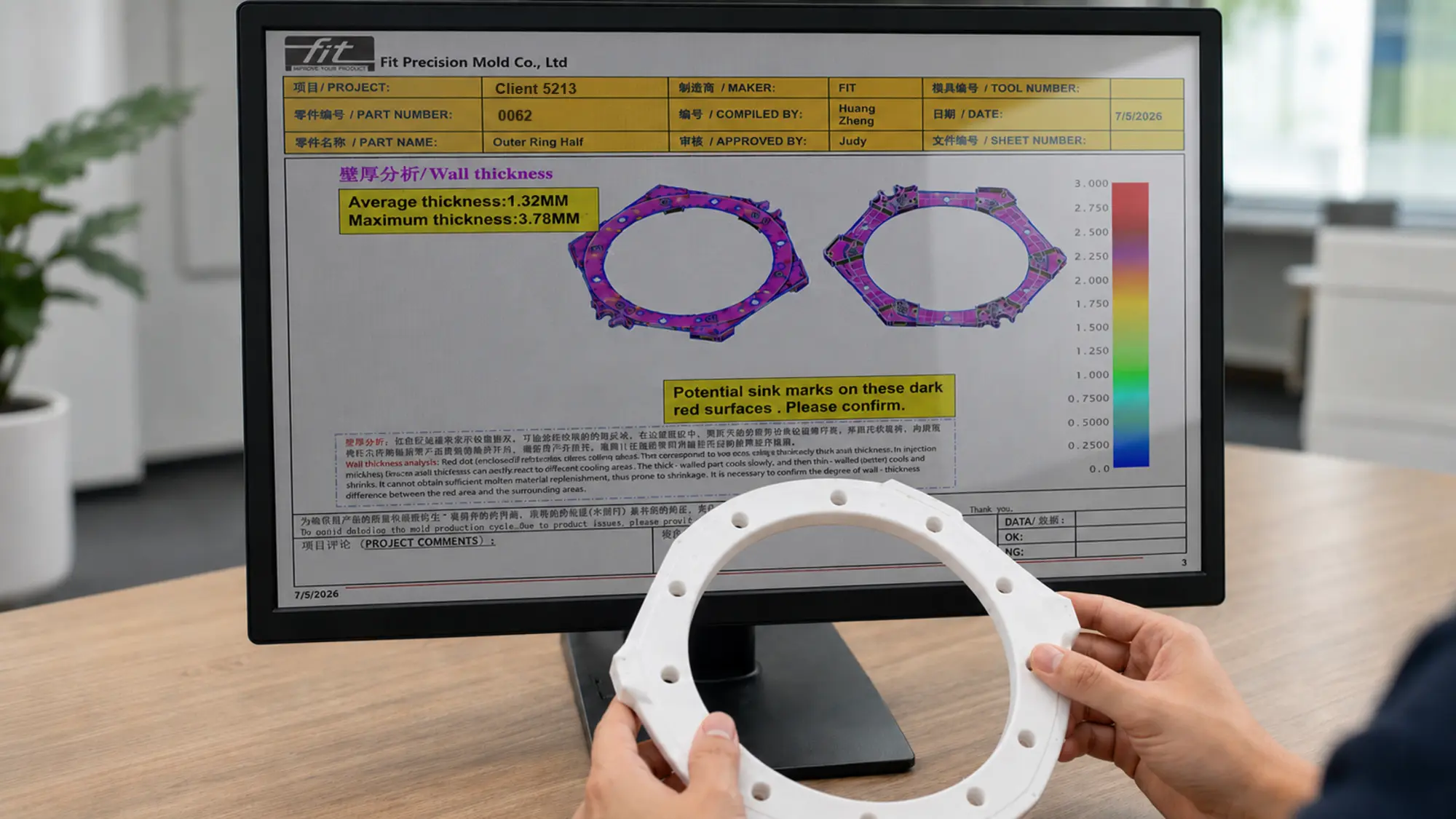
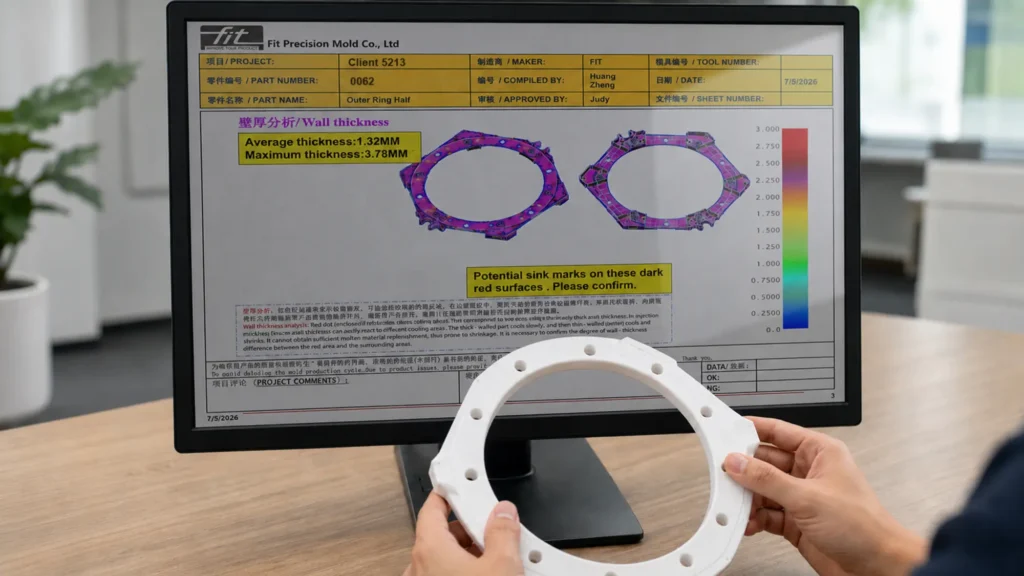
We approach prototyping as part of the manufacturing process, not as an isolated creative step. Each prototype is reviewed to answer practical production questions: is the structure manufacturable, are the tolerances realistic for injection molding, will the material behavior meet the functional requirements, and are there assembly or durability risks? Every sample is evaluated based on how it supports the next step: tooling and production.
2/4
Processes We Use for Prototyping
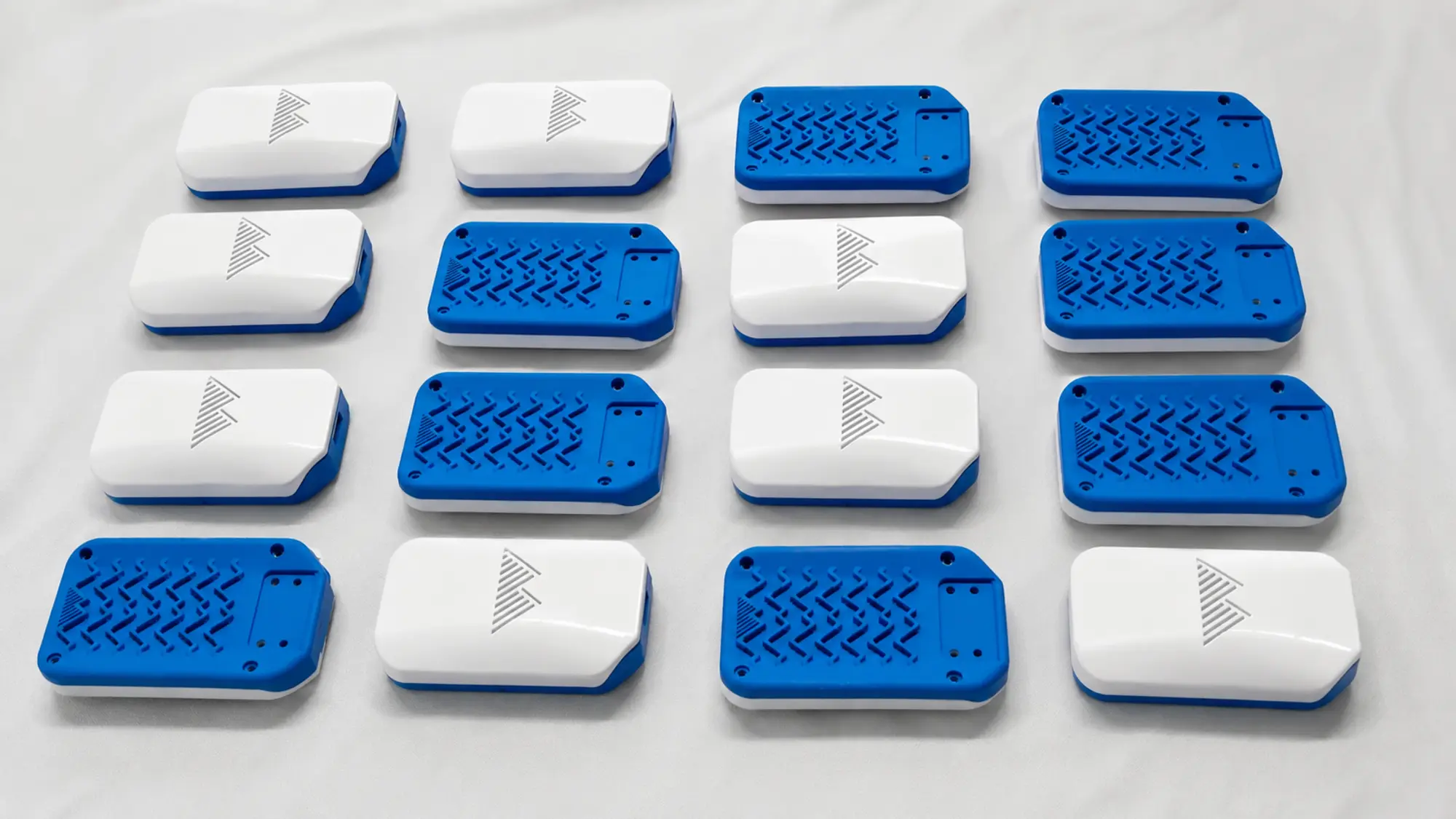
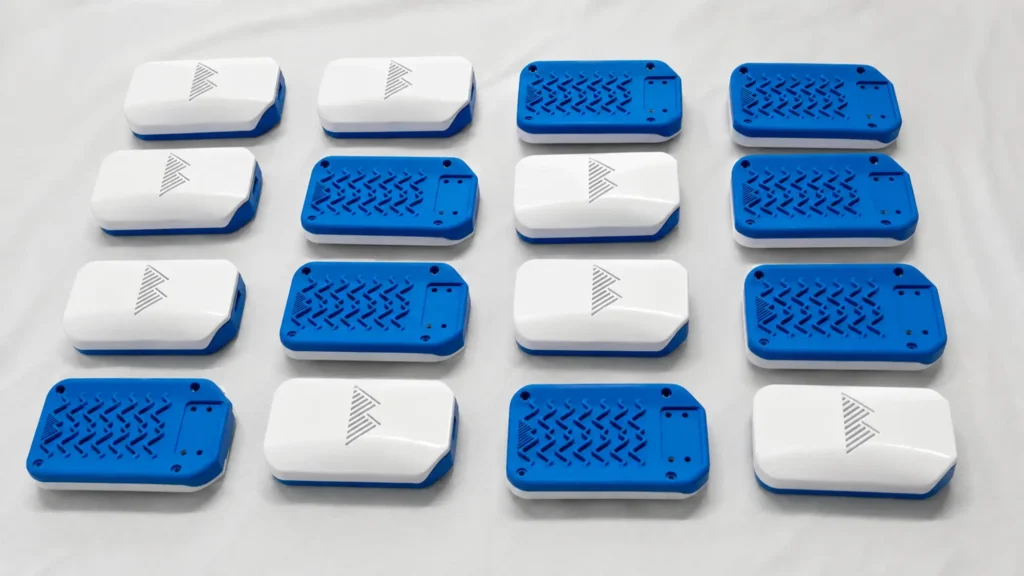
We select prototype processes based on material, geometry, testing purpose, and expected production volume. Fitmold can support CNC-machined prototypes, 3D printed samples, vacuum cast parts, silicone or rubber sample parts, surface-finished appearance samples, metal prototype parts, and prototype tooling for small trial runs. The goal is not speed alone, but choosing a method that simulates production conditions closely enough for the project.
3/4
From Prototype to Tooling
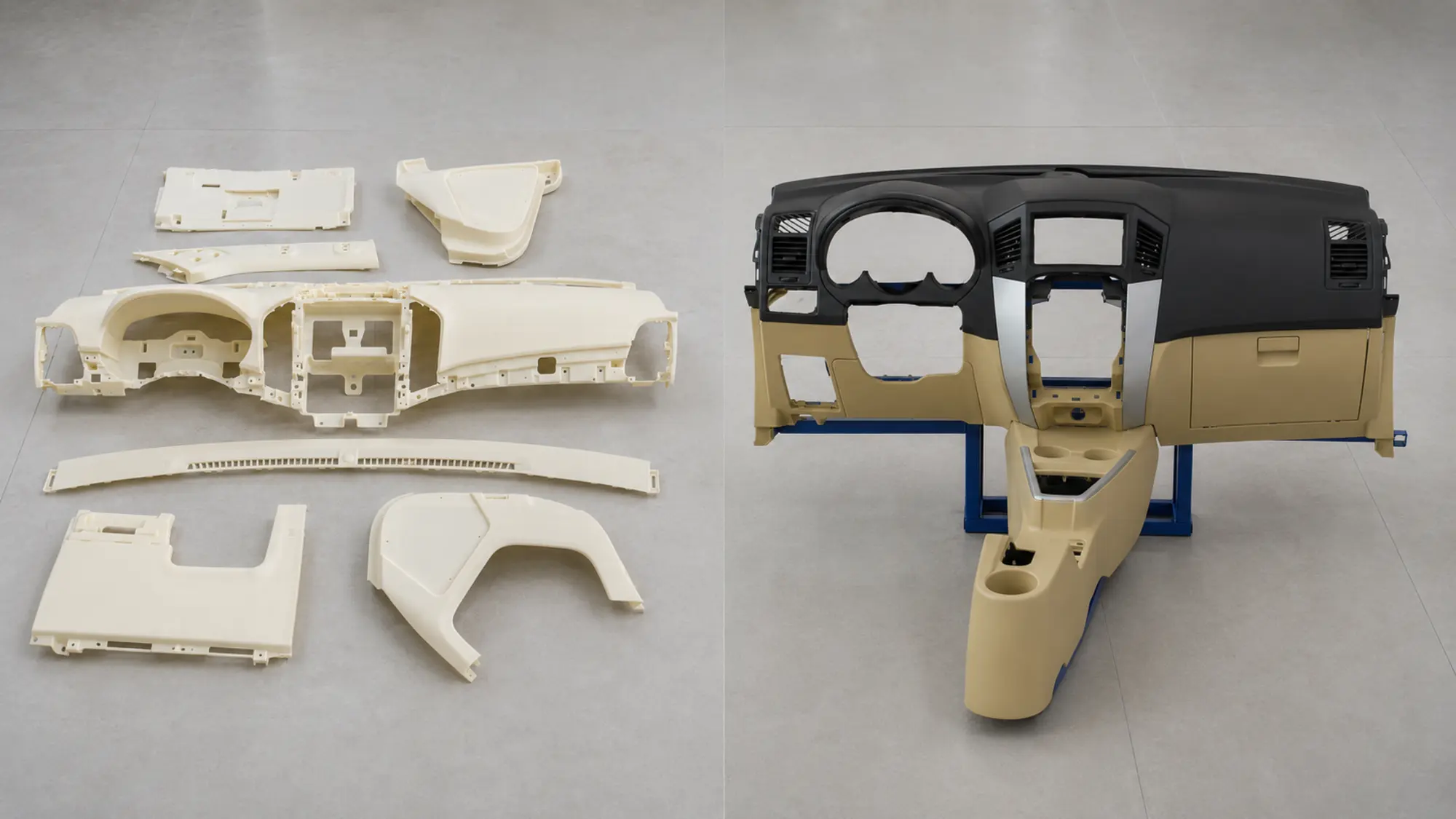
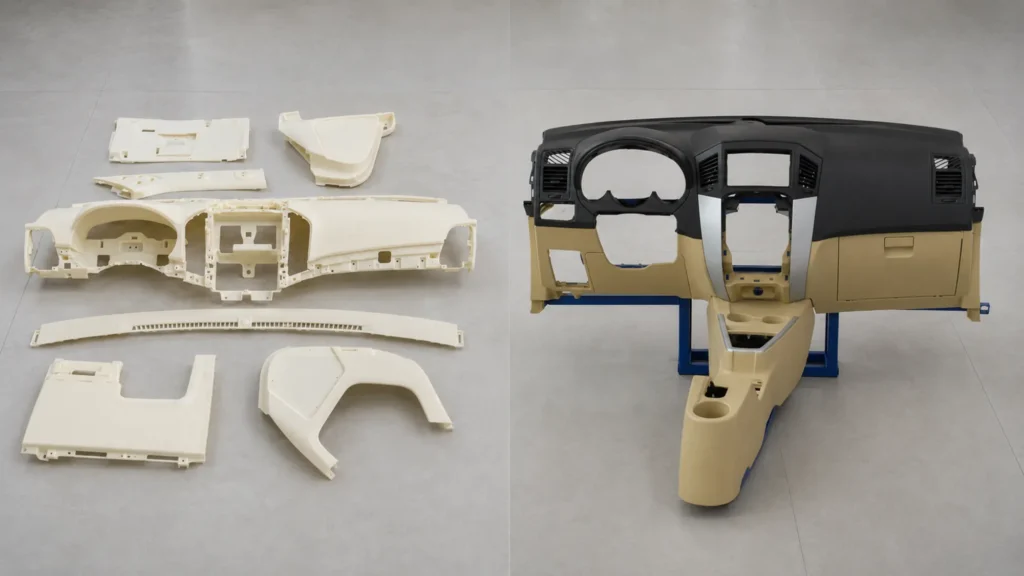
Prototyping allows design issues to surface early, while changes are still manageable. Based on prototype results, we help refine part geometry, adjust material selection, simplify structures for tooling, and reduce production risks before mold investment. This transition from prototype to mold design is where many cost and time savings are achieved.
4/4
Why Prototyping Matters
Before investing in molds or production, prototype parts help confirm whether the design works in real use. They can reveal problems with size, wall thickness, assembly fit, strength, appearance, and basic function that may not be obvious from 3D files alone. This early review gives engineers a chance to correct weak areas before tooling starts, when every adjustment becomes more expensive and slower to fix.
1/4
Prototyping With Production in Mind
We approach prototyping as part of the manufacturing process, not as an isolated creative step. Each prototype is reviewed to answer practical production questions: is the structure manufacturable, are the tolerances realistic for injection molding, will the material behavior meet the functional requirements, and are there assembly or durability risks? Every sample is evaluated based on how it supports the next step: tooling and production.
2/4
Processes We Use for Prototyping
We select prototype processes based on material, geometry, testing purpose, and expected production volume. Fitmold can support CNC-machined prototypes, 3D printed samples, vacuum cast parts, silicone or rubber sample parts, surface-finished appearance samples, metal prototype parts, and prototype tooling for small trial runs. The goal is not speed alone, but choosing a method that simulates production conditions closely enough for the project.
3/4
From Prototype to Tooling
Prototyping allows design issues to surface early, while changes are still manageable. Based on prototype results, we help refine part geometry, adjust material selection, simplify structures for tooling, and reduce production risks before mold investment. This transition from prototype to mold design is where many cost and time savings are achieved.
To begin a prototyping project, send us your 3D CAD files, drawings, material requirements, quantity expectations, and intended production method. Our team can review your design with both prototyping and tooling in mind, then recommend a suitable approach before moving into mold making or production.