 Skip to content
Fitmold provides CNC machining for metal and engineering plastic parts where dimensions, fit, alignment, surface condition, and functional performance matter. Before machining, we review the CAD model, material, critical tolerances, assembly interfaces, workholding requirements, and downstream use so the machining process is built around what the part actually needs to do.
Precision has value only when it supports the function of the part. Some features control assembly, alignment, sealing, movement, or load transfer, while others have little influence on final performance. We identify the dimensions, mating surfaces, reference features, and geometric relationships that are truly important before defining the machining approach.
Our CNC machining work supports functional prototypes, mold components, inserts, fixtures, mechanical parts, and production components that must fit and operate reliably. We also support CNC-machined prototypes and low-volume production parts for design verification, fit and assembly testing, functional evaluation, and pre-production validation before larger-scale manufacturing. Tolerance control is applied where it affects performance, assembly, and repeatability, rather than being treated as a marketing number.
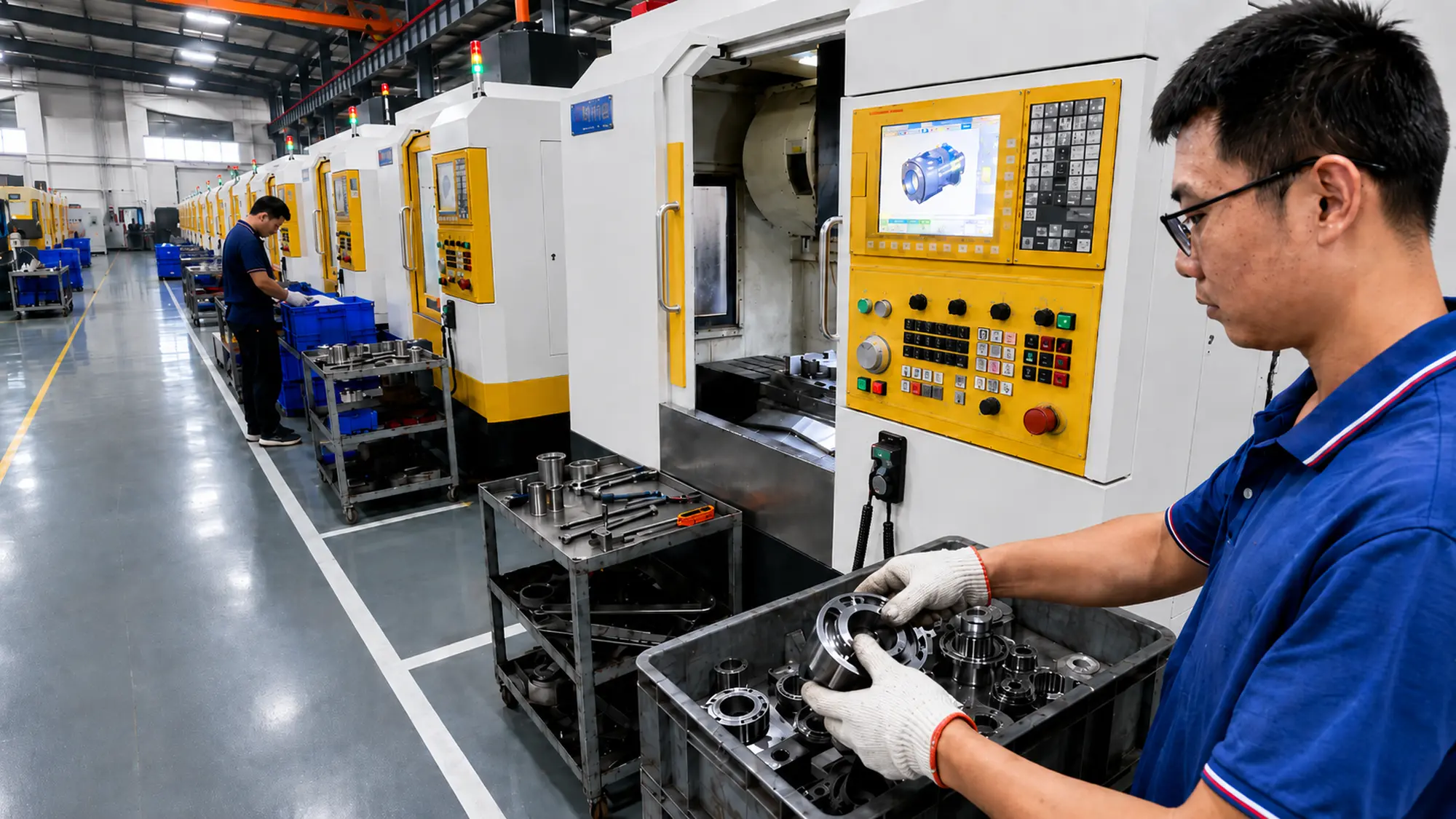
Consistent machining begins before the first cutting tool touches the material. We review CAD model integrity, feature accessibility, machining sequence, datum selection, tool paths, workholding strategy, and tolerance feasibility before production begins.We also consider structural load paths, stress concentration, assembly interfaces, and downstream manufacturing requirements, especially where machining sequence or material removal may affect final part stability.
Material behavior is also considered throughout the process. Thin walls, long sections, interrupted cuts, internal stress, heat generated during machining, and repeated clamping can affect distortion and dimensional stability. Machining sequences and fixtures are planned to reduce unnecessary movement, protect critical surfaces, and maintain reliable results after the part is removed from the machine.
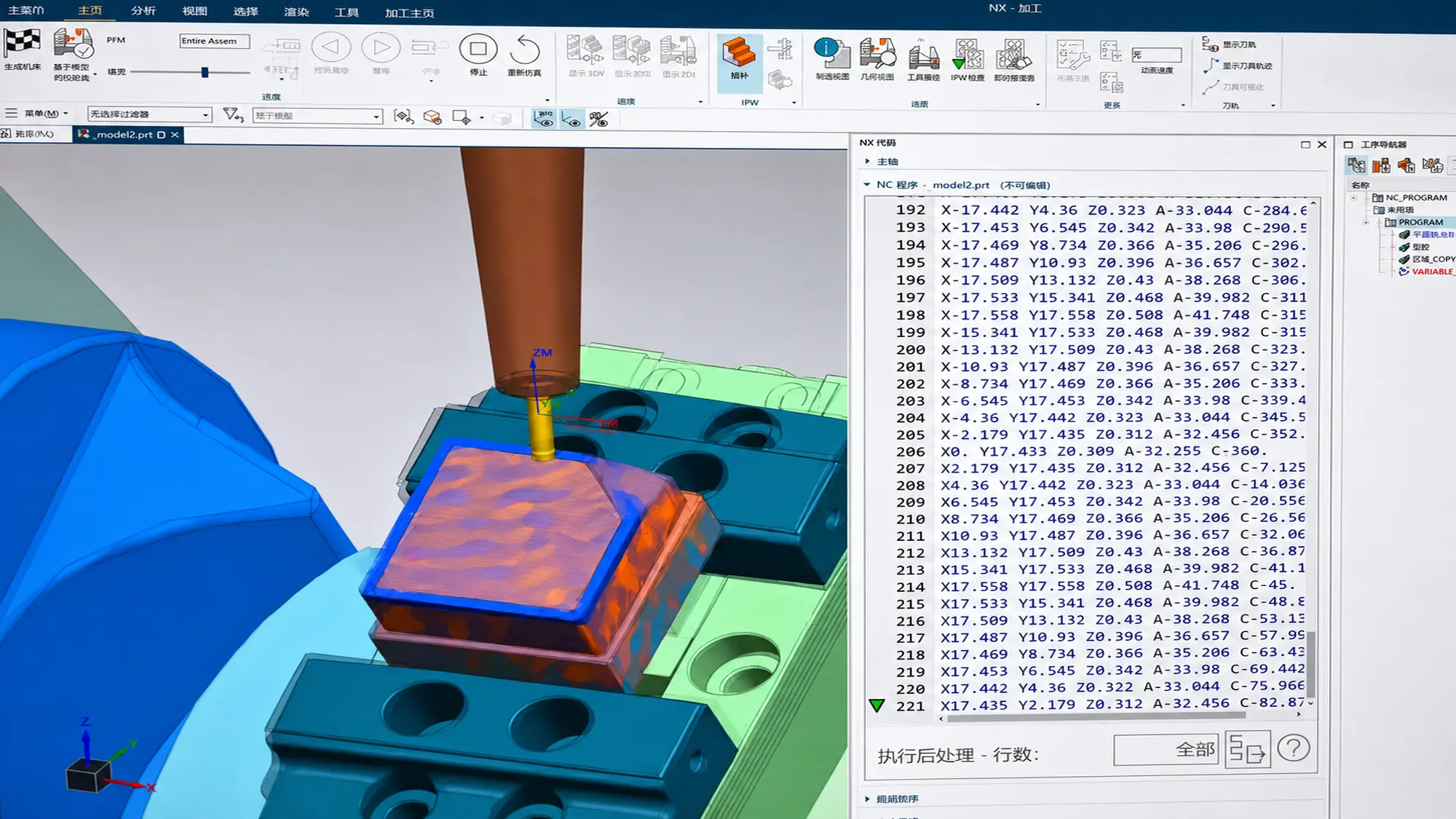
Our CNC machining capabilities include milling, turning, drilling, tapping, routing, and secondary machining for complex geometries, precision surfaces, rotational components, holes, threads, pockets, and functional features.
We machine a range of metals and engineering plastics, including aluminum alloys, stainless steel, carbon steel, brass, copper, PEEK, PTFE, nylon, acetal, and other application-specific materials. The machining method is selected according to material behavior, part geometry, required tolerance, surface finish, quantity, and the intended use of the component.
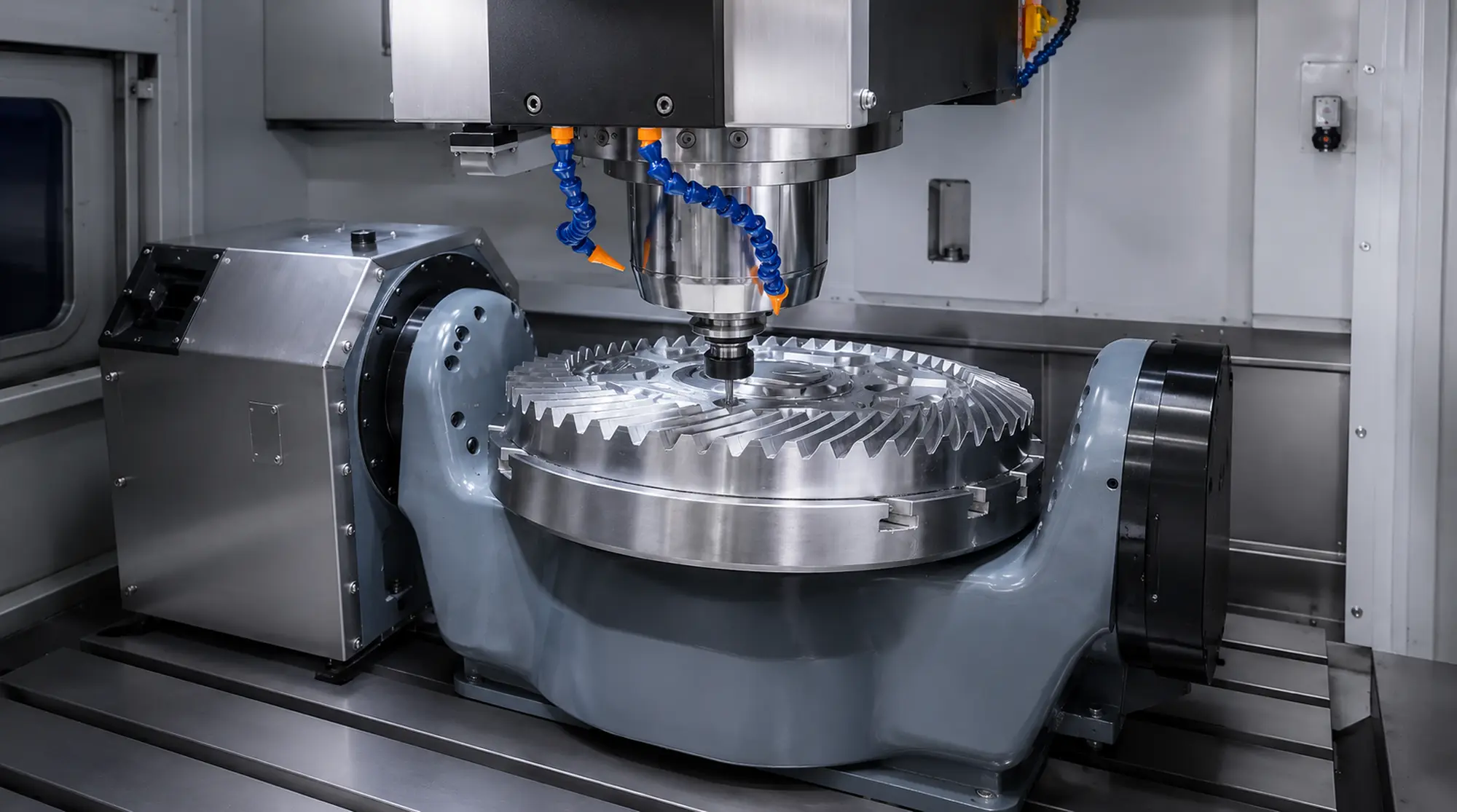
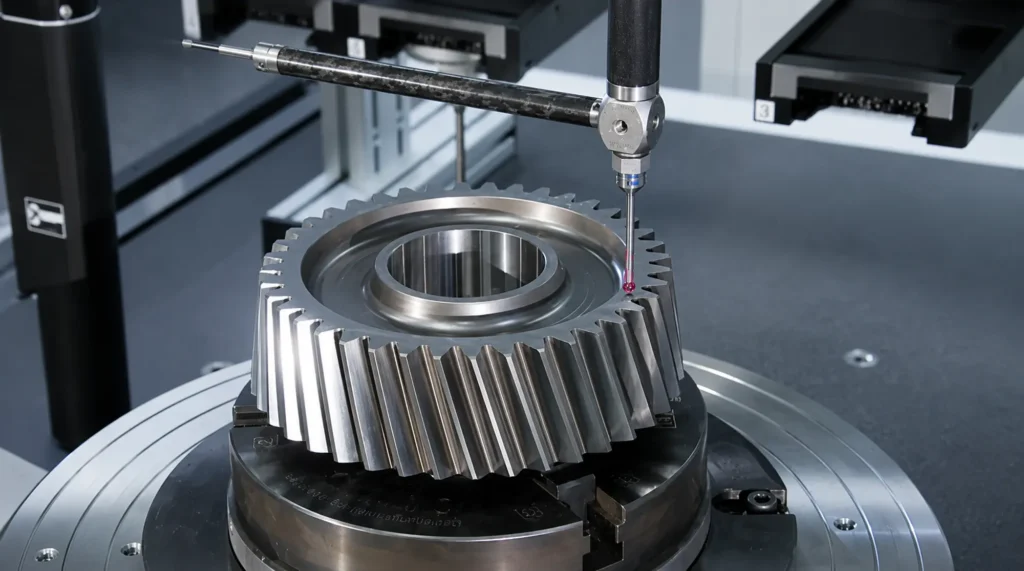
A machined part is only successful when it fits, assembles, and performs as intended. Inspection is focused on critical dimensions, reference surfaces, hole positions, mating features, threads, flatness, and other requirements that affect downstream use.
For repeat production, machining programs, fixtures, inspection requirements, and process details are maintained to support dimensional consistency across batches. CNC machining can also be integrated with prototyping, mold making, surface finishing, assembly, and production preparation, helping reduce gaps between design, manufacturing, and final application.
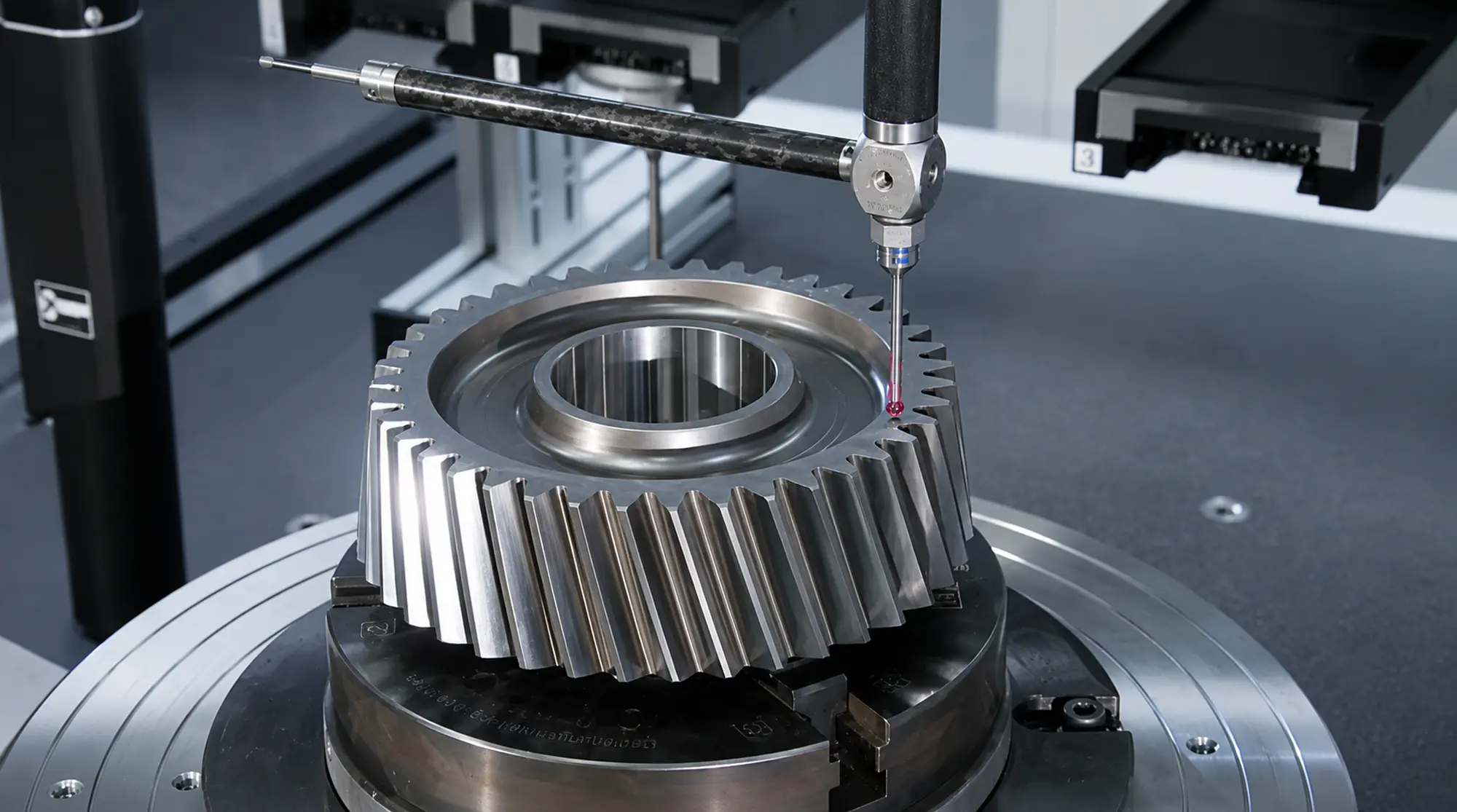
Precision has value only when it supports the function of the part. Some features control assembly, alignment, sealing, movement, or load transfer, while others have little influence on final performance. We identify the dimensions, mating surfaces, reference features, and geometric relationships that are truly important before defining the machining approach.
Our CNC machining work supports functional prototypes, mold components, inserts, fixtures, mechanical parts, and production components that must fit and operate reliably. We also support CNC-machined prototypes and low-volume production parts for design verification, fit and assembly testing, functional evaluation, and pre-production validation before larger-scale manufacturing. Tolerance control is applied where it affects performance, assembly, and repeatability, rather than being treated as a marketing number.
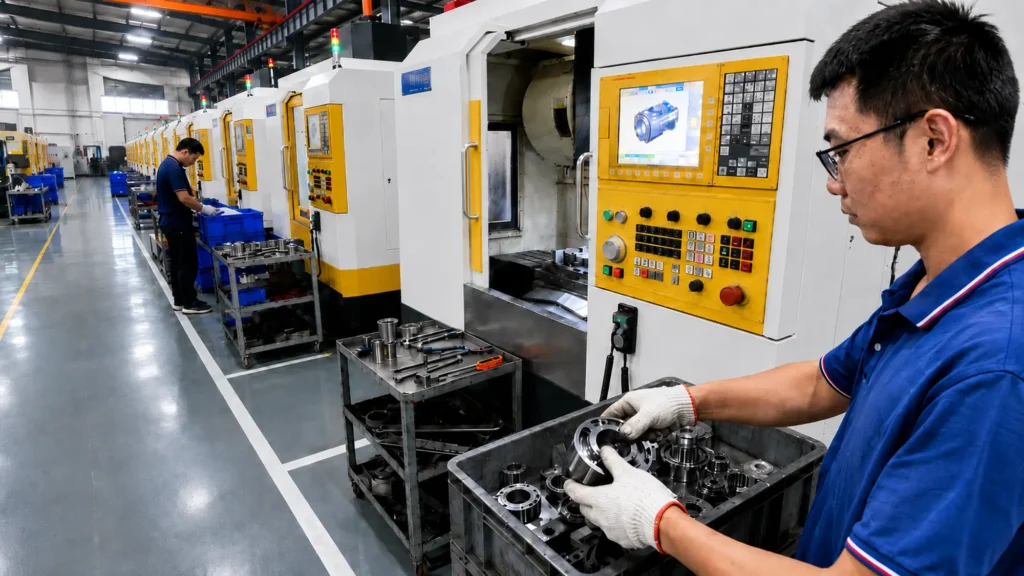
Consistent machining begins before the first cutting tool touches the material. We review CAD model integrity, feature accessibility, machining sequence, datum selection, tool paths, workholding strategy, and tolerance feasibility before production begins.We also consider structural load paths, stress concentration, assembly interfaces, and downstream manufacturing requirements, especially where machining sequence or material removal may affect final part stability.
Material behavior is also considered throughout the process. Thin walls, long sections, interrupted cuts, internal stress, heat generated during machining, and repeated clamping can affect distortion and dimensional stability. Machining sequences and fixtures are planned to reduce unnecessary movement, protect critical surfaces, and maintain reliable results after the part is removed from the machine.
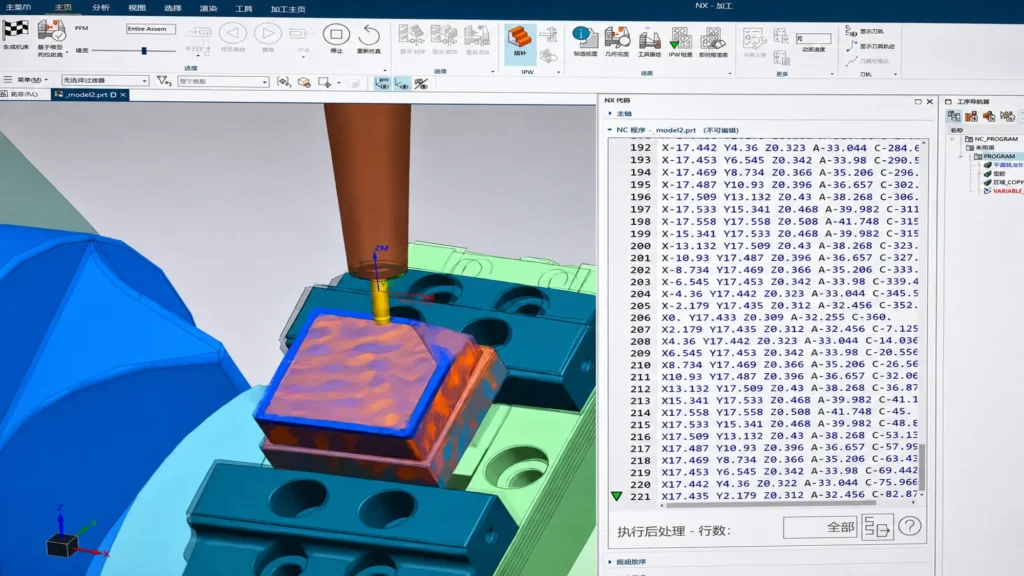
Our CNC machining capabilities include milling, turning, drilling, tapping, routing, and secondary machining for complex geometries, precision surfaces, rotational components, holes, threads, pockets, and functional features.
We machine a range of metals and engineering plastics, including aluminum alloys, stainless steel, carbon steel, brass, copper, PEEK, PTFE, nylon, acetal, and other application-specific materials. The machining method is selected according to material behavior, part geometry, required tolerance, surface finish, quantity, and the intended use of the component.
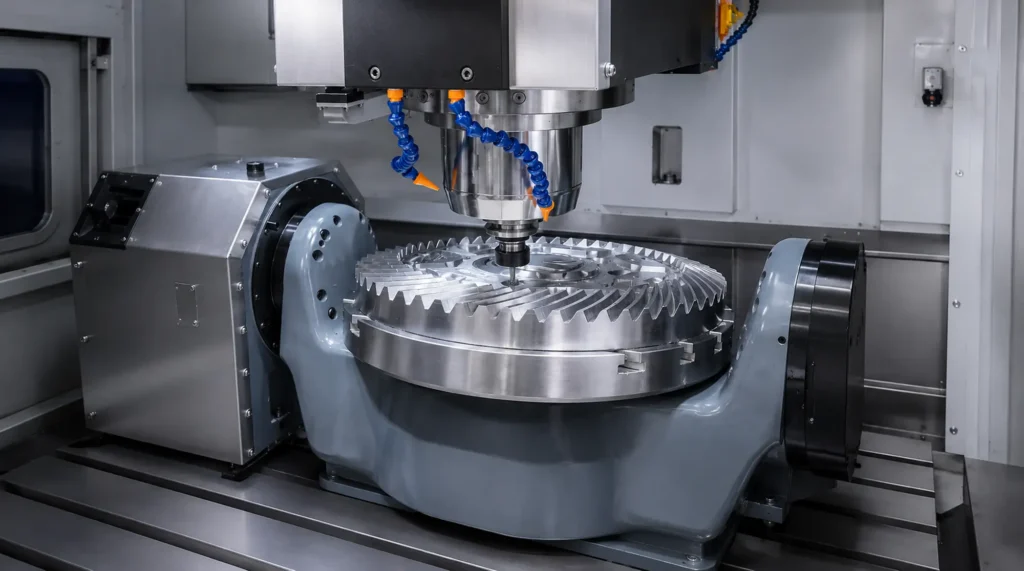
A machined part is only successful when it fits, assembles, and performs as intended. Inspection is focused on critical dimensions, reference surfaces, hole positions, mating features, threads, flatness, and other requirements that affect downstream use.
For repeat production, machining programs, fixtures, inspection requirements, and process details are maintained to support dimensional consistency across batches. CNC machining can also be integrated with prototyping, mold making, surface finishing, assembly, and production preparation, helping reduce gaps between design, manufacturing, and final application.
Send us your 3D files, 2D drawings, material requirements, critical tolerances, surface finish, quantity, and intended application. Our team can review the part and recommend a practical CNC machining approach based on geometry, material behavior, accuracy requirements, and downstream use.
