Skip to content
At Fitmold, mold making does not end when the first samples are approved. A mold is a production tool that must open, close, fill, cool, eject, and repeat under real factory conditions. We design and build injection molds around long-term production stability, taking into account material variation, processing windows, normal operator variation, maintenance cycles, and the practical demands of daily manufacturing.
Mold structures are selected for repeatability, not visual complexity. From the earliest stage, we review mold opening and closing stability, demolding direction, release reliability, load balance, cooling consistency, and access for maintenance and part replacement.
A structure that looks sophisticated but introduces unnecessary production risk is not an improvement. When a simpler slider, lifter, insert, or mold base arrangement offers better repeatability, we choose the simpler solution. Proven mechanisms, clear force paths, replaceable wear components, and standardized mold parts help reduce downtime, simplify maintenance, and keep mold performance predictable over repeated production cycles.
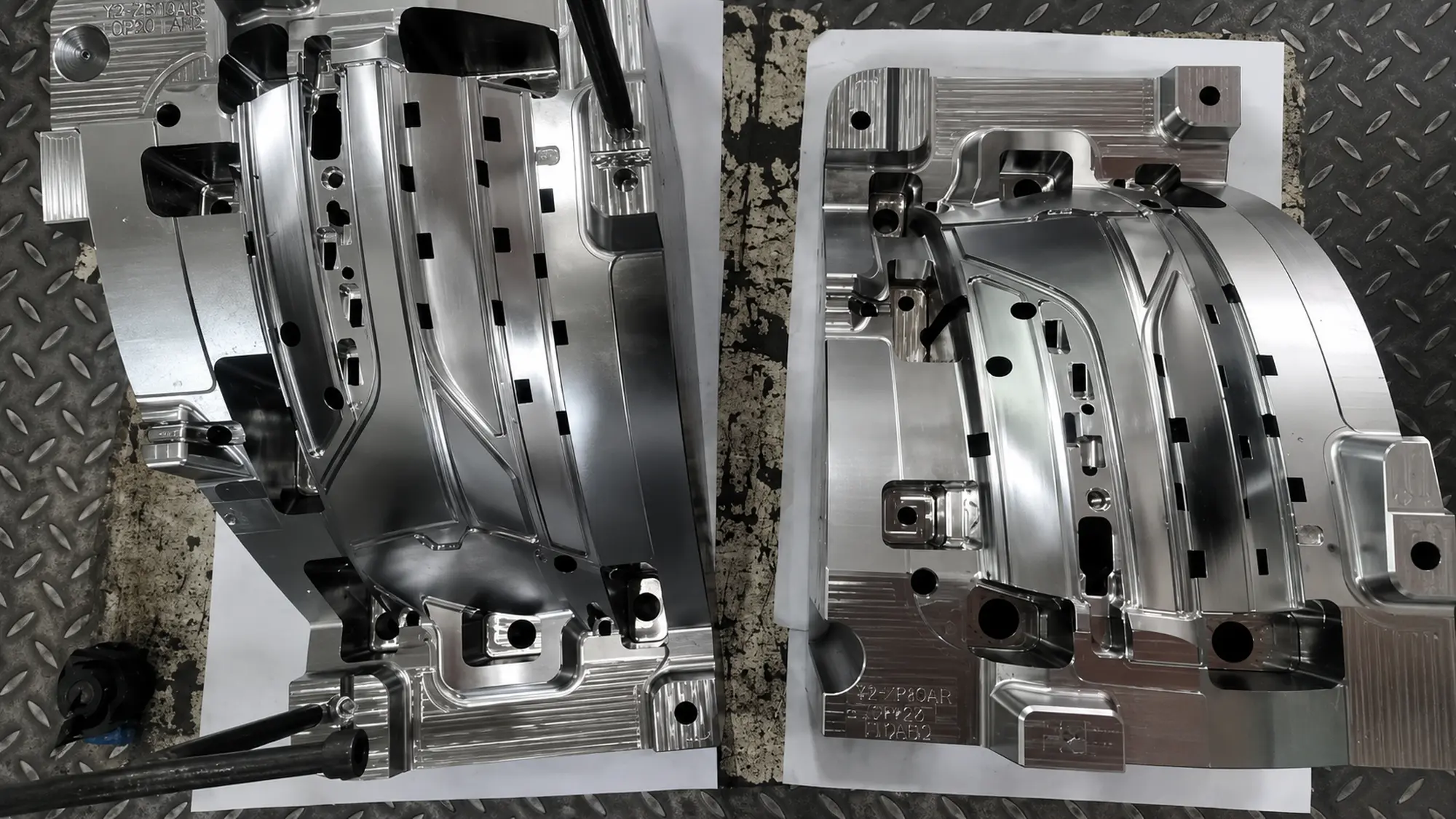
Mold steel selection is based on the actual application, not habit or the assumption that the most expensive grade is always the best choice. We consider expected production volume, plastic material and filler content, dimensional stability, surface requirements, wear resistance, toughness, polishability, corrosion exposure, and overall tooling cost.
CNC machining, EDM, wire cutting, grinding, and other processes are then planned around mold function. Our focus is consistent mating surfaces, reliable shut-offs, accurate insert positioning, controlled tolerances, and repeatable assembly after maintenance. The goal is not cosmetic perfection on every surface, but precision where it directly affects molding performance, service life, and production consistency.
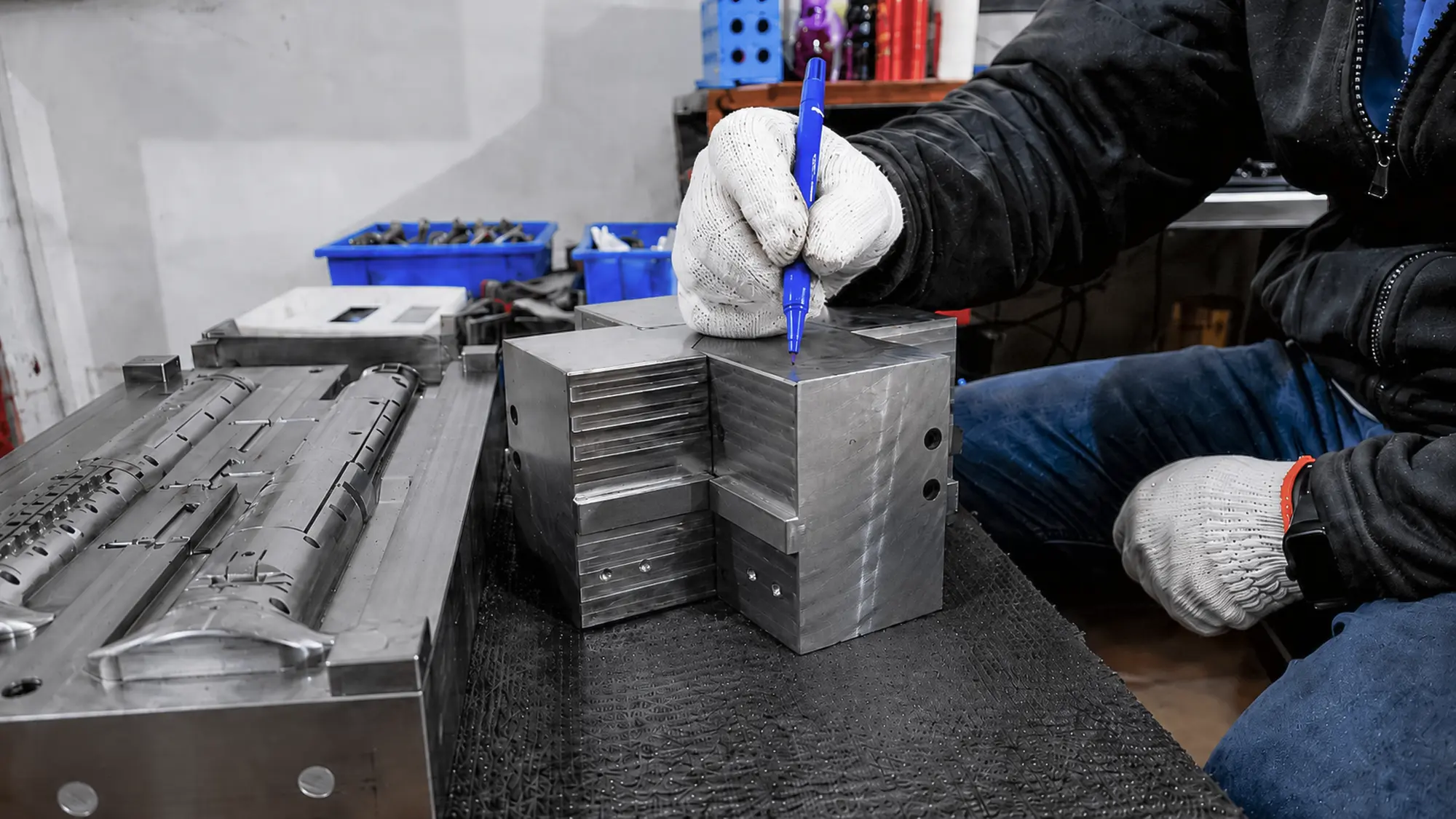
Mold assembly is not simply the final step after machining. It is where the original design intent, machining accuracy, and component relationships become actual mold behavior.
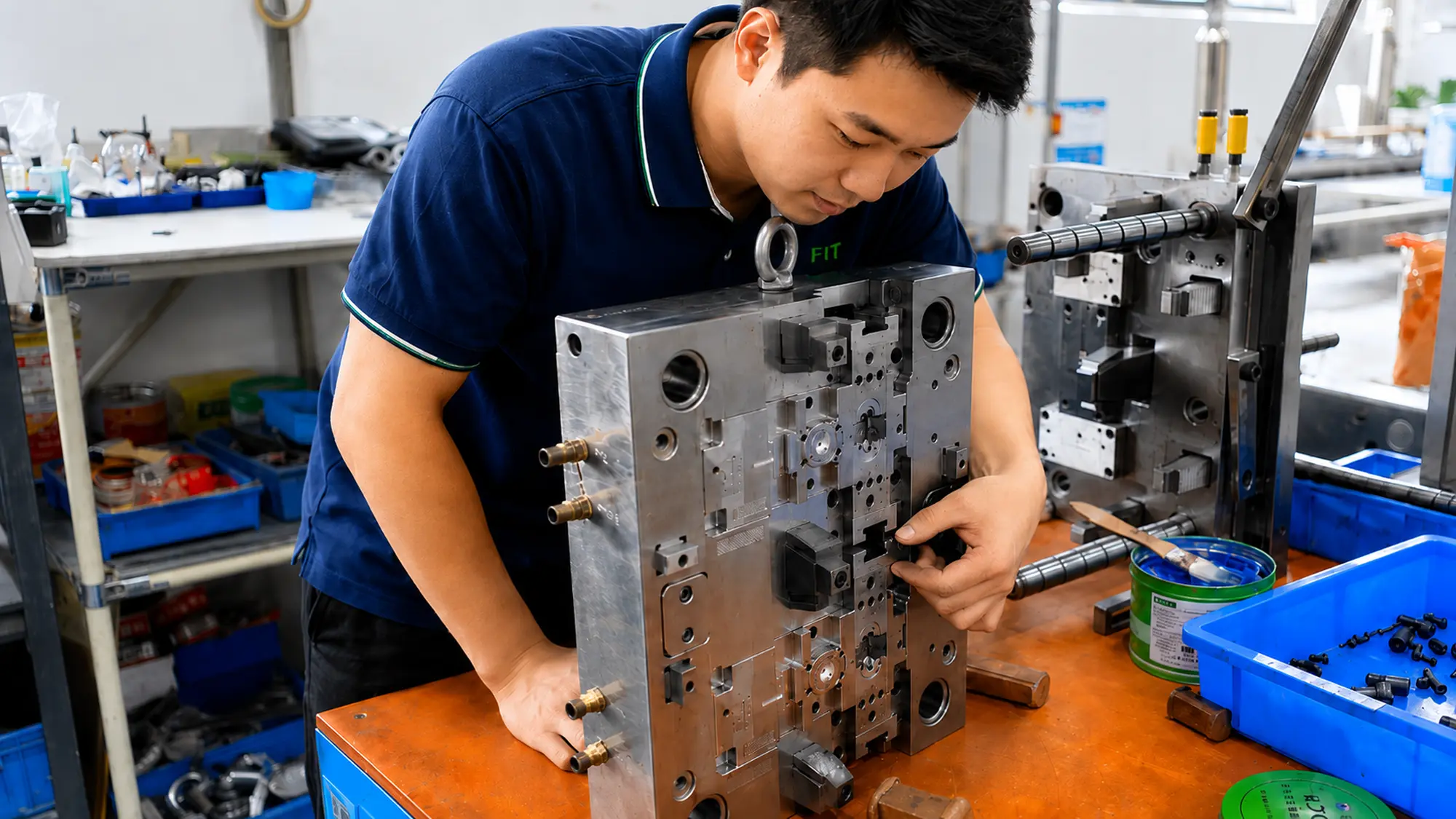
During fitting and assembly, we check the contact and alignment of functional surfaces, shut-off conditions, insert seating, balanced ejection forces, slider and lifter movement, component clearance, and internal stress after assembly. The mold should move smoothly, close naturally, and operate without depending on special handling or individual operator experience.
If a mold requires unusual adjustment or repeated manual intervention to run properly, the problem usually begins upstream. A well-assembled mold should operate smoothly and feel stable, balanced, and predictable from the beginning.
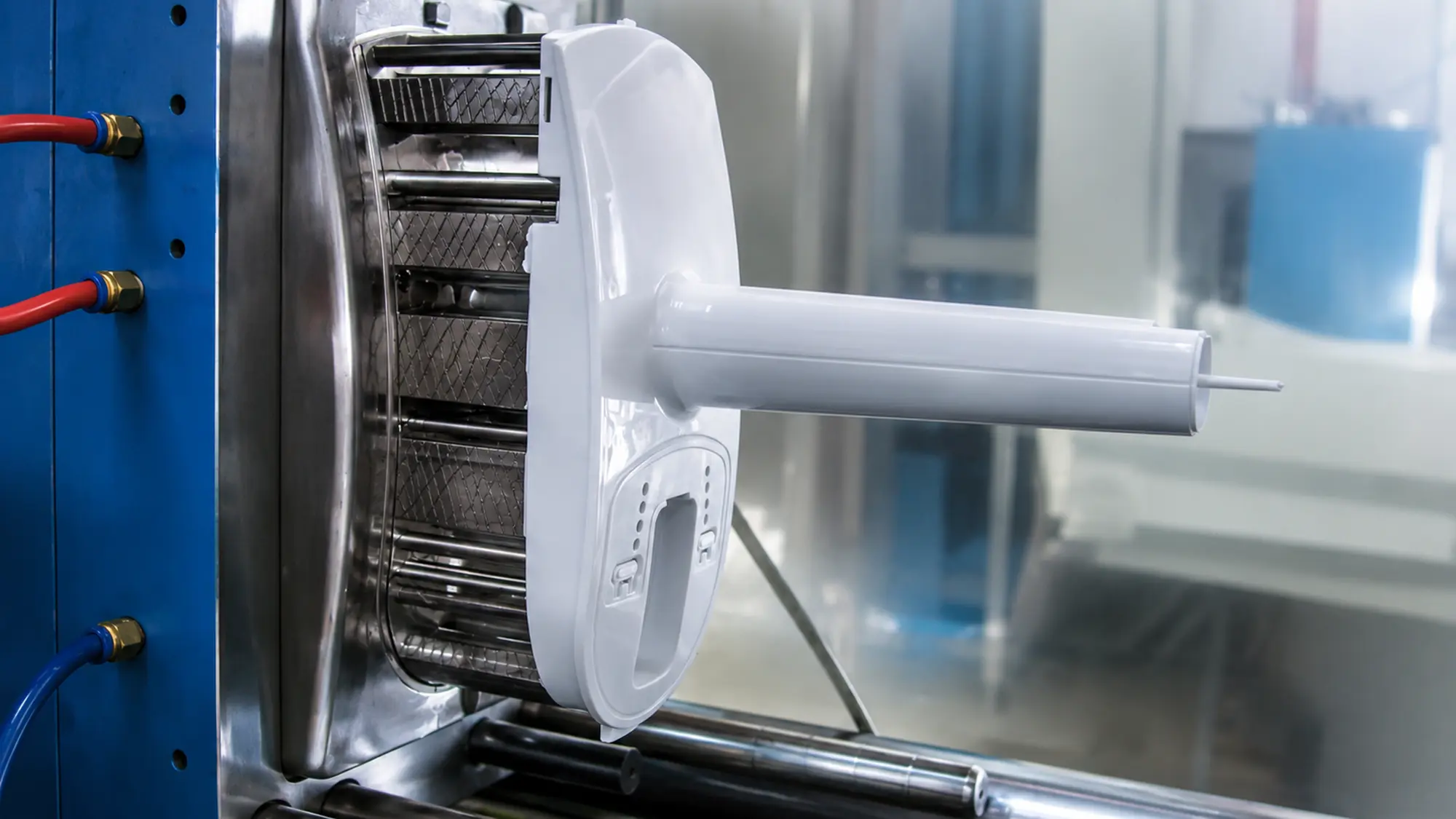
Trial molding is not about producing an acceptable sample as quickly as possible. It is about understanding how the mold behaves and whether it can maintain consistent results under realistic production conditions.
During mold trials, we evaluate the processing window, filling balance, cooling consistency, dimensional repeatability, demolding behavior, ejection stability, appearance, shrinkage, warpage, and early signs of long-term tooling risk. Trial results are used to refine both the mold and the molding conditions before regular production begins.
Time invested during mold trial helps prevent repeated problems during mass production. The result we aim for is consistent part dimensions, predictable cycle times, stable demolding, reasonable maintenance intervals, and a mold that keeps production running.
Mold structures are selected for repeatability, not visual complexity. From the earliest stage, we review mold opening and closing stability, demolding direction, release reliability, load balance, cooling consistency, and access for maintenance and part replacement.
A structure that looks sophisticated but introduces unnecessary production risk is not an improvement. When a simpler slider, lifter, insert, or mold base arrangement offers better repeatability, we choose the simpler solution. Proven mechanisms, clear force paths, replaceable wear components, and standardized mold parts help reduce downtime, simplify maintenance, and keep mold performance predictable over repeated production cycles.
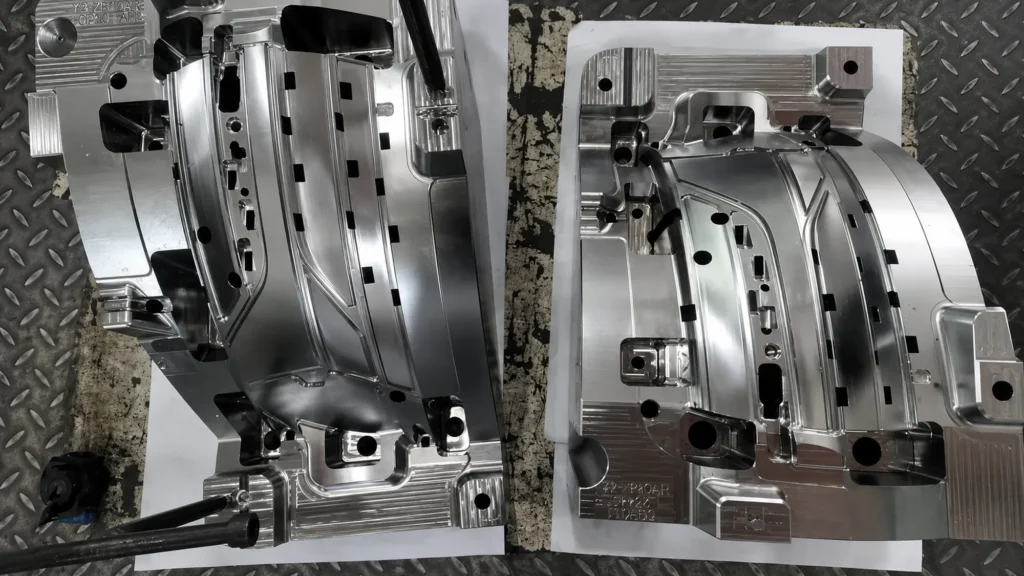
Mold steel selection is based on the actual application, not habit or the assumption that the most expensive grade is always the best choice. We consider expected production volume, plastic material and filler content, dimensional stability, surface requirements, wear resistance, toughness, polishability, corrosion exposure, and overall tooling cost.
CNC machining, EDM, wire cutting, grinding, and other processes are then planned around mold function. Our focus is consistent mating surfaces, reliable shut-offs, accurate insert positioning, controlled tolerances, and repeatable assembly after maintenance. The goal is not cosmetic perfection on every surface, but precision where it directly affects molding performance, service life, and production consistency.
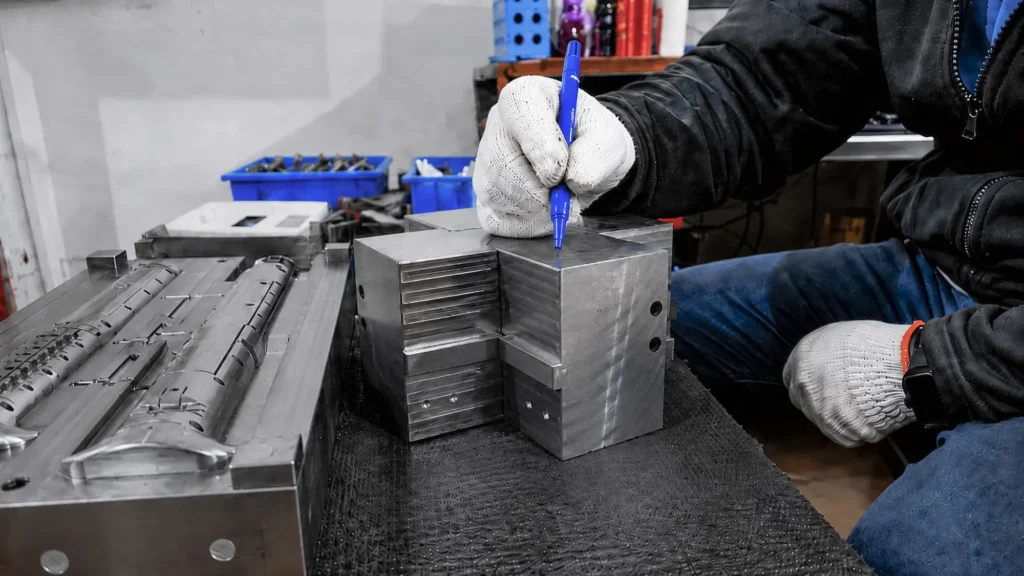
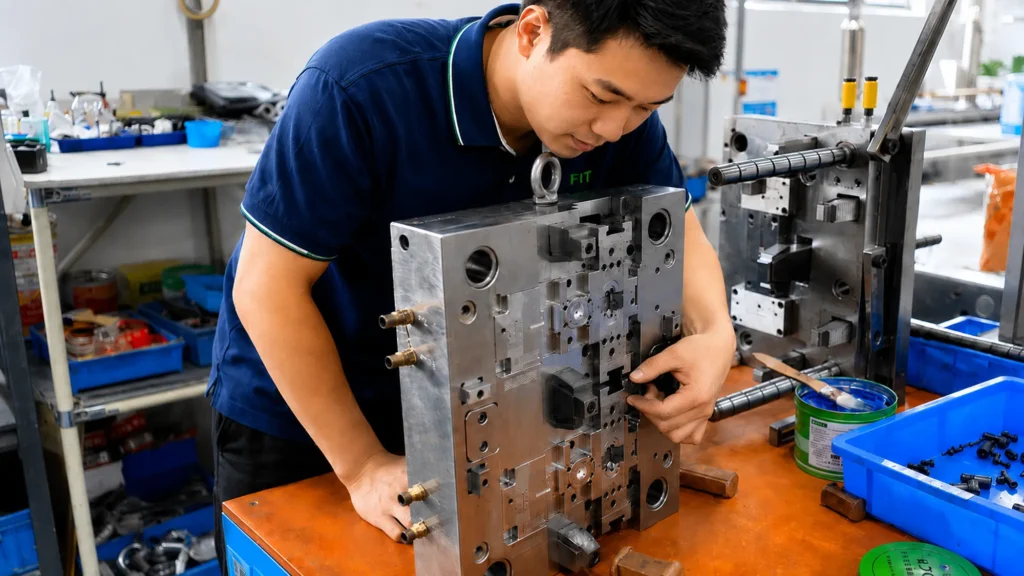
Mold assembly is not simply the final step after machining. It is where the original design intent, machining accuracy, and component relationships become actual mold behavior.
During fitting and assembly, we check the contact and alignment of functional surfaces, shut-off conditions, insert seating, balanced ejection forces, slider and lifter movement, component clearance, and internal stress after assembly. The mold should move smoothly, close naturally, and operate without depending on special handling or individual operator experience.
If a mold requires unusual adjustment or repeated manual intervention to run properly, the problem usually begins upstream. A well-assembled mold should operate smoothly and feel stable, balanced, and predictable from the beginning.
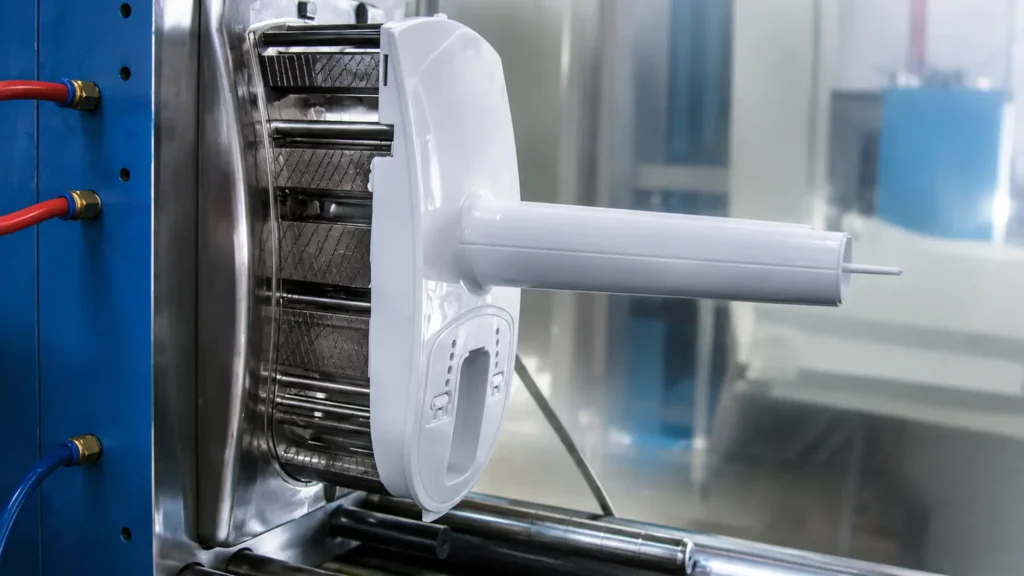
Trial molding is not about producing an acceptable sample as quickly as possible. It is about understanding how the mold behaves and whether it can maintain consistent results under realistic production conditions.
During mold trials, we evaluate the processing window, filling balance, cooling consistency, dimensional repeatability, demolding behavior, ejection stability, appearance, shrinkage, warpage, and early signs of long-term tooling risk. Trial results are used to refine both the mold and the molding conditions before regular production begins.
Time invested during mold trial helps prevent repeated problems during mass production. The result we aim for is consistent part dimensions, predictable cycle times, stable demolding, reasonable maintenance intervals, and a mold that keeps production running.
Send us your 3D files, 2D drawings, plastic material, surface requirements, expected production volume, and project targets. We can review the tooling requirements and recommend a practical mold construction, steel selection, manufacturing process, and trial plan based on real production conditions.