Skip to content
Fitmold turns product designs into molded parts that meet the required appearance, dimensions, fit, function, and performance. We review the part structure, plastic material, mold condition, processing requirements, and quality targets together, then develop a practical injection molding approach for stable and repeatable production.
Every injection molding project begins with understanding what the finished part must achieve. We review the intended application, product appearance, assembly conditions, functional requirements, critical dimensions, plastic material, expected production volume, and operating environment before defining the molding approach.
A housing designed for visual appearance may require different priorities from an internal structural part, a transparent cover, a flexible component, or an engineering part exposed to heat, impact, chemicals, or repeated loading. Rather than applying the same molding standard to every product, we develop the process around the actual requirements of the part and how it will be used.
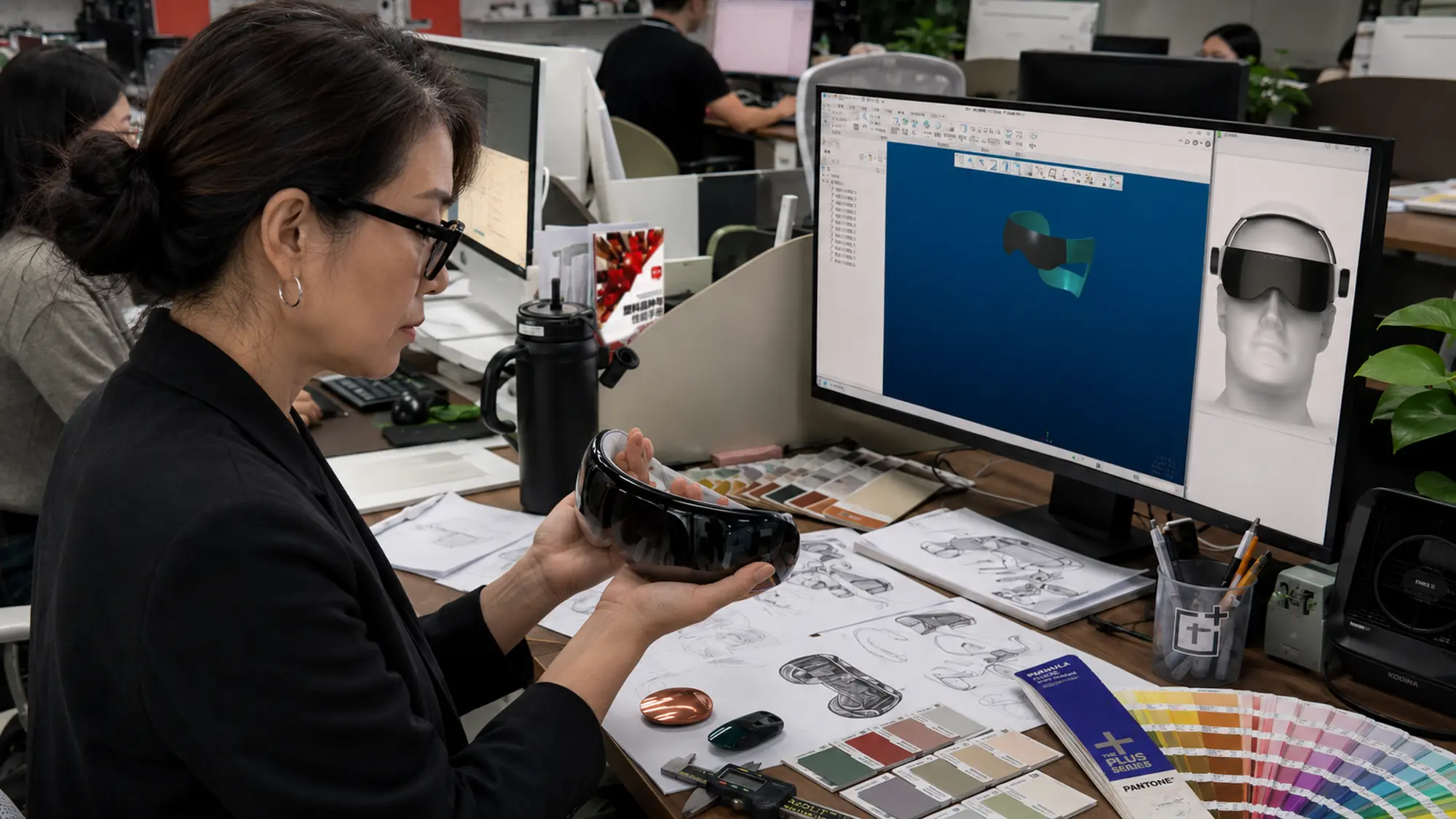
A molded part must often meet several requirements at the same time. Appearance areas may need controlled weld lines, reduced sink marks, consistent gloss and texture, stable color, clean gate areas, or good clarity on transparent parts. Functional areas may depend on flatness, hole position, dimensional accuracy, snap-fit performance, insert alignment, and reliable assembly with other components.
These results are influenced by the product design, wall thickness, gate location, mold surface, cooling balance, plastic material, and molding conditions. We evaluate these factors together and focus process control on the features that directly affect product appearance, assembly, and function.
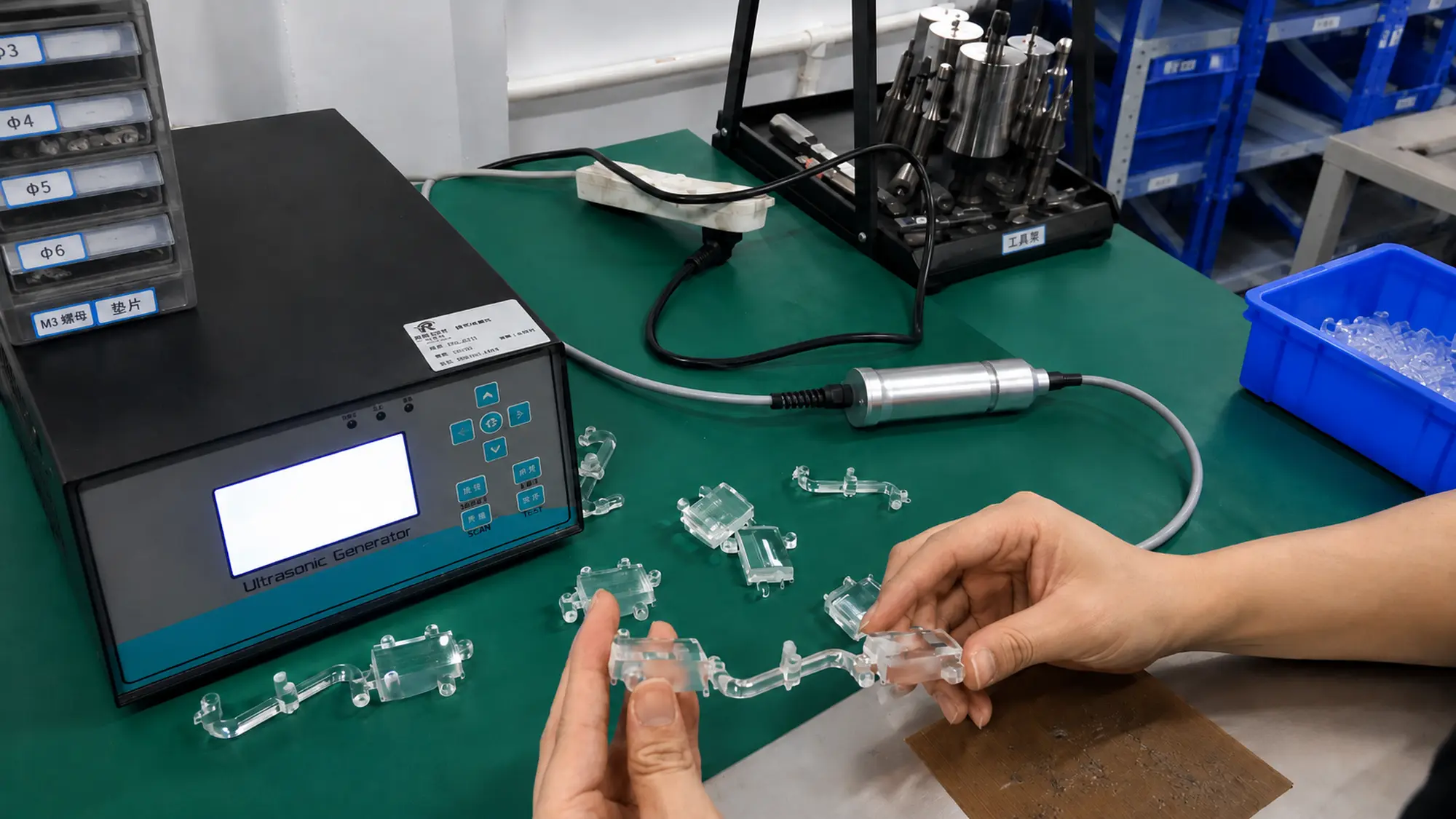
Plastic material selection goes beyond resin type. Grades of ABS, PC, PC/ABS, PP, PA, POM, TPE, and filled engineering plastics can vary in flow, shrinkage, toughness, heat and chemical resistance, UV stability, flame retardancy, and dimensional stability.
For sustainability requirements, we can also review recycled-content (PCR), bio-based, or compostable materials, including injection-molding PLA where appropriate. Since these materials are not suitable for every application, we evaluate performance, processing behavior, and service conditions before making a recommendation.
Material grade and molding strategy are selected according to product requirements. Drying, melt and mold temperatures, injection profile, packing, cooling, and ejection are then developed around the selected material and part geometry.
For products requiring multiple colors, materials, or functional zones, we also support two-shot, two-color, and 2K injection molding, including different resin combinations, soft-touch overmolding, color separation, rotary tooling, and sequential molding.
Where specific performance requirements apply, material selection and validation are based on the agreed material grade, product structure, applicable specifications, and required testing.
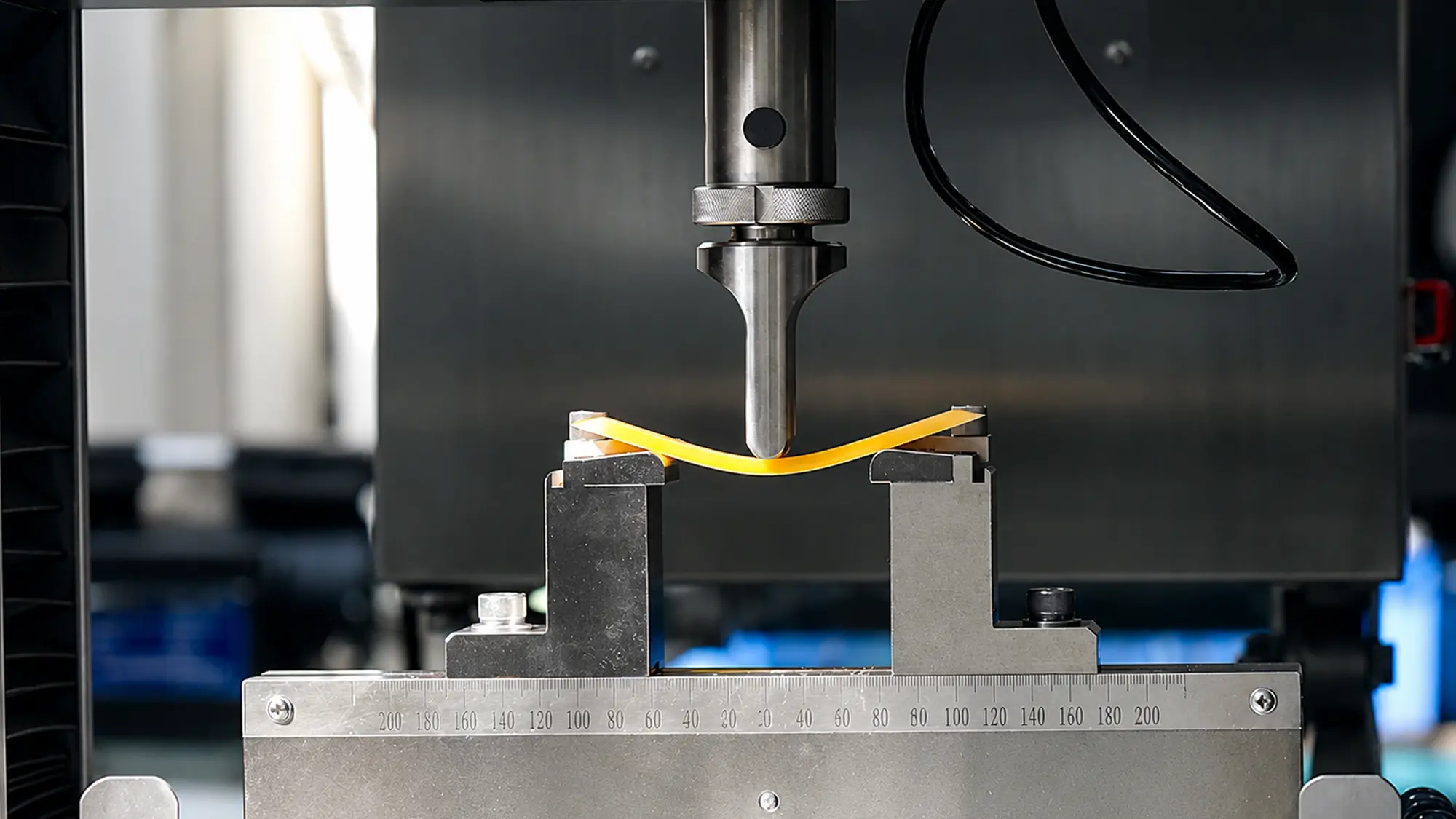
Producing one acceptable sample is only the beginning. Trial molding and early production are used to confirm filling behavior, packing, cooling balance, demolding, dimensional repeatability, surface quality, shrinkage, warpage, cycle stability, and the overall operating window of the process.
Once the molding conditions are established, production focuses on maintaining consistent material preparation, machine settings, cycle conditions, inspection requirements, and part quality across repeated production runs. Critical dimensions, appearance standards, assembly requirements, and functional features are controlled according to the needs of the project.
When required, we can also coordinate surface finishing, painting, printing, marking, assembly, and customized packaging so the molded parts continue through the remaining production steps with consistent quality and less handling risk.
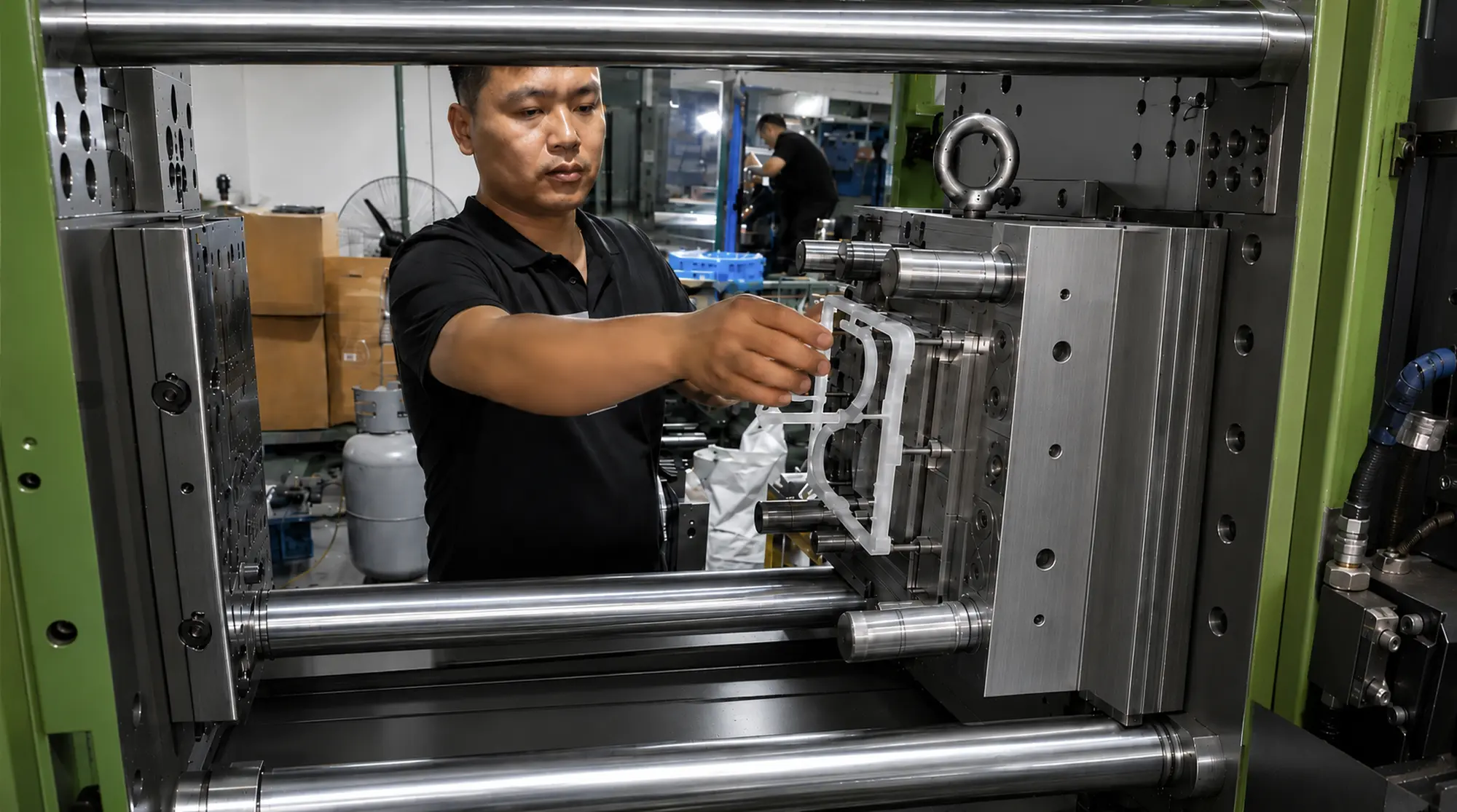
Every injection molding project begins with understanding what the finished part must achieve. We review the intended application, product appearance, assembly conditions, functional requirements, critical dimensions, plastic material, expected production volume, and operating environment before defining the molding approach.
A housing designed for visual appearance may require different priorities from an internal structural part, a transparent cover, a flexible component, or an engineering part exposed to heat, impact, chemicals, or repeated loading. Rather than applying the same molding standard to every product, we develop the process around the actual requirements of the part and how it will be used.
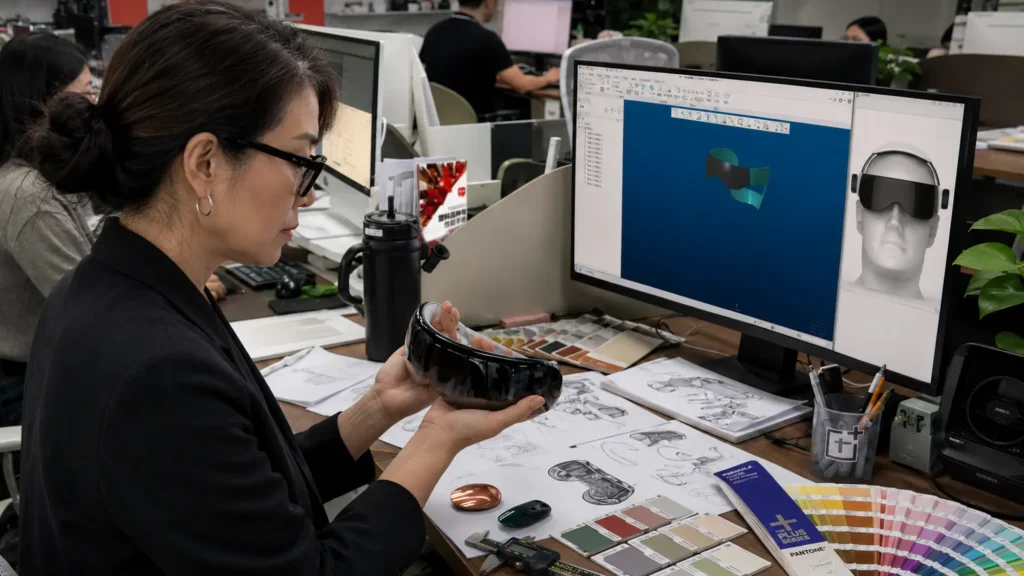
A molded part must often meet several requirements at the same time. Appearance areas may need controlled weld lines, reduced sink marks, consistent gloss and texture, stable color, clean gate areas, or good clarity on transparent parts. Functional areas may depend on flatness, hole position, dimensional accuracy, snap-fit performance, insert alignment, and reliable assembly with other components.
These results are influenced by the product design, wall thickness, gate location, mold surface, cooling balance, plastic material, and molding conditions. We evaluate these factors together and focus process control on the features that directly affect product appearance, assembly, and function.
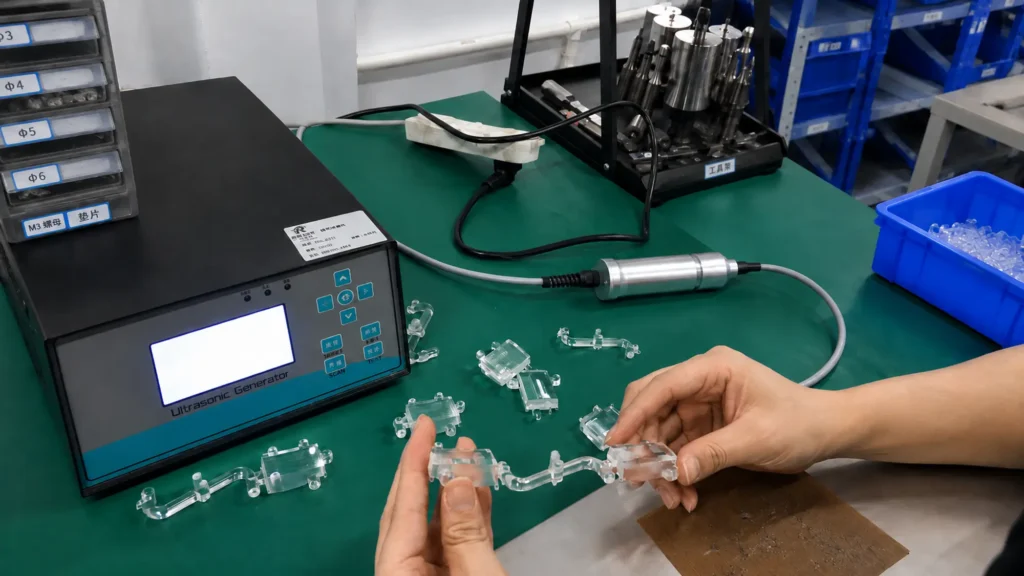
Plastic material selection goes beyond resin type. Grades of ABS, PC, PC/ABS, PP, PA, POM, TPE, and filled engineering plastics can vary in flow, shrinkage, toughness, heat and chemical resistance, UV stability, flame retardancy, and dimensional stability.
For sustainability requirements, we can also review recycled-content (PCR), bio-based, or compostable materials, including injection-molding PLA where appropriate. Since these materials are not suitable for every application, we evaluate performance, processing behavior, and service conditions before making a recommendation.
Material grade and molding strategy are selected according to product requirements. Drying, melt and mold temperatures, injection profile, packing, cooling, and ejection are then developed around the selected material and part geometry.
For products requiring multiple colors, materials, or functional zones, we also support two-shot, two-color, and 2K injection molding, including different resin combinations, soft-touch overmolding, color separation, rotary tooling, and sequential molding.
Where specific performance requirements apply, material selection and validation are based on the agreed material grade, product structure, applicable specifications, and required testing.
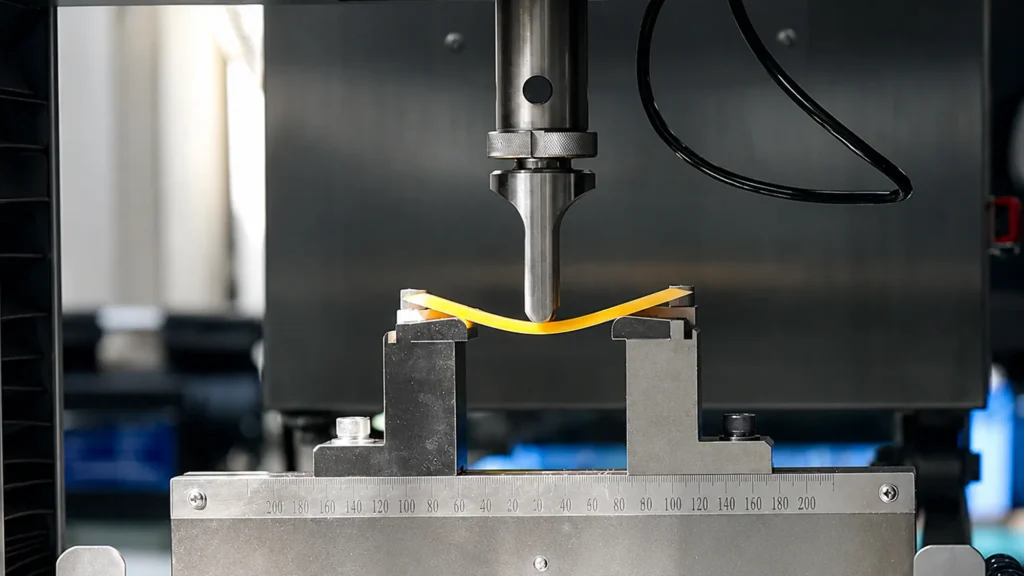
Producing one acceptable sample is only the beginning. Trial molding and early production are used to confirm filling behavior, packing, cooling balance, demolding, dimensional repeatability, surface quality, shrinkage, warpage, cycle stability, and the overall operating window of the process.
Once the molding conditions are established, production focuses on maintaining consistent material preparation, machine settings, cycle conditions, inspection requirements, and part quality across repeated production runs. Critical dimensions, appearance standards, assembly requirements, and functional features are controlled according to the needs of the project.
When required, we can also coordinate surface finishing, painting, printing, marking, assembly, and customized packaging so the molded parts continue through the remaining production steps with consistent quality and less handling risk.
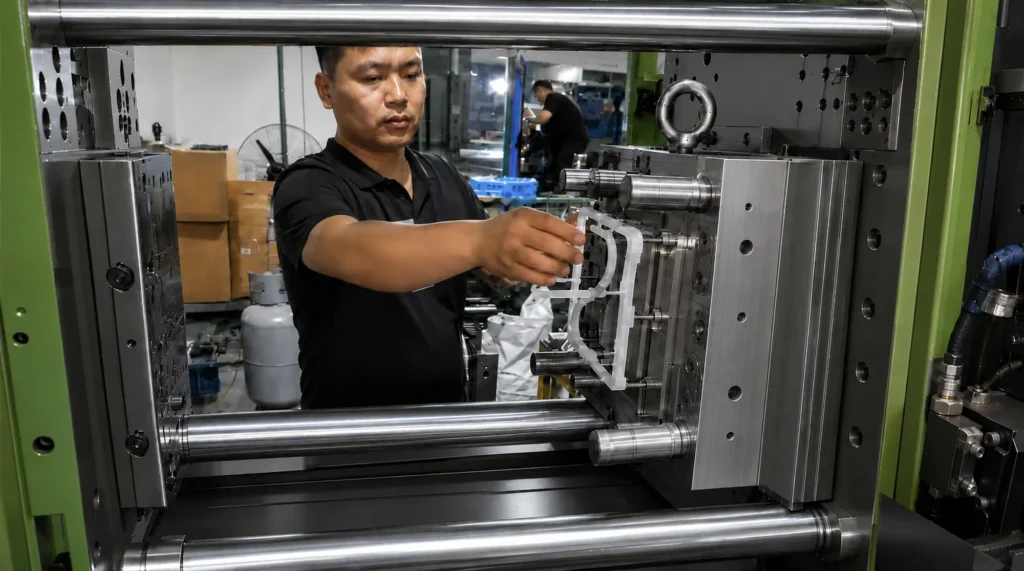
Send us your 3D files, 2D drawings, plastic material, color, surface requirements, critical dimensions, expected quantity, and product performance targets. Our team can review the part, mold, material, and production requirements, then recommend a practical injection molding approach for your project.