Skip to content
Fitmold evaluates each project based on material, part geometry, production quantity, mechanical requirements, machining areas, and surface expectations. We support tilt-pour gravity die casting for selected aluminum components and investment casting for complex steel and stainless steel parts, with CNC machining, heat treatment, surface finishing, inspection, and assembly coordinated as required.
Tilt-pour gravity die casting is a practical option for selected aluminum components that require reusable metal tooling, controlled filling, consistent geometry, and secondary CNC machining. Typical parts include equipment housings, pump and valve bodies, covers, bases, brackets, mechanical supports, and other medium-sized aluminum components.
The process is generally considered when sand casting cannot provide the required surface quality or repeatability, while high-pressure die casting may not be appropriate for the part structure, production quantity, or internal-quality requirements. We review the alloy, wall thickness, casting weight, machining areas, annual demand, and functional requirements before recommending this manufacturing route.
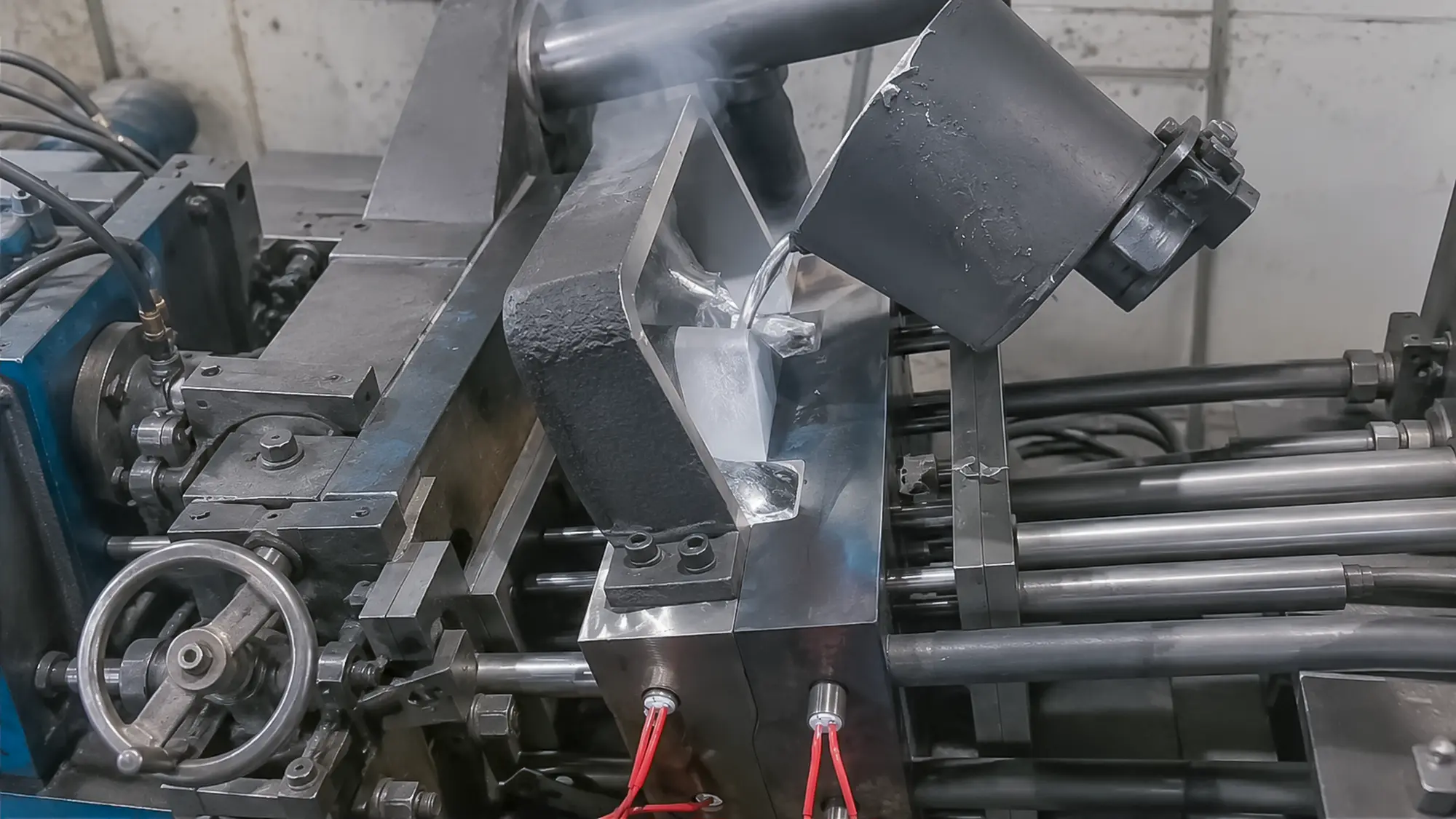
For tilt-pour aluminum castings, part quality depends on more than the external shape. Filling direction, wall transitions, feeding, solidification, shrinkage, porosity risk, machining allowance, and critical sealing or load-bearing areas must be considered before tooling and production.
We evaluate the casting together with its final machining and assembly requirements. CNC datums, threaded holes, sealing faces, bearing locations, and other functional features are identified early so material is added only where necessary. Trial castings can then be inspected for dimensions, surface condition, internal quality, machining results, and assembly fit before repeat production proceeds.
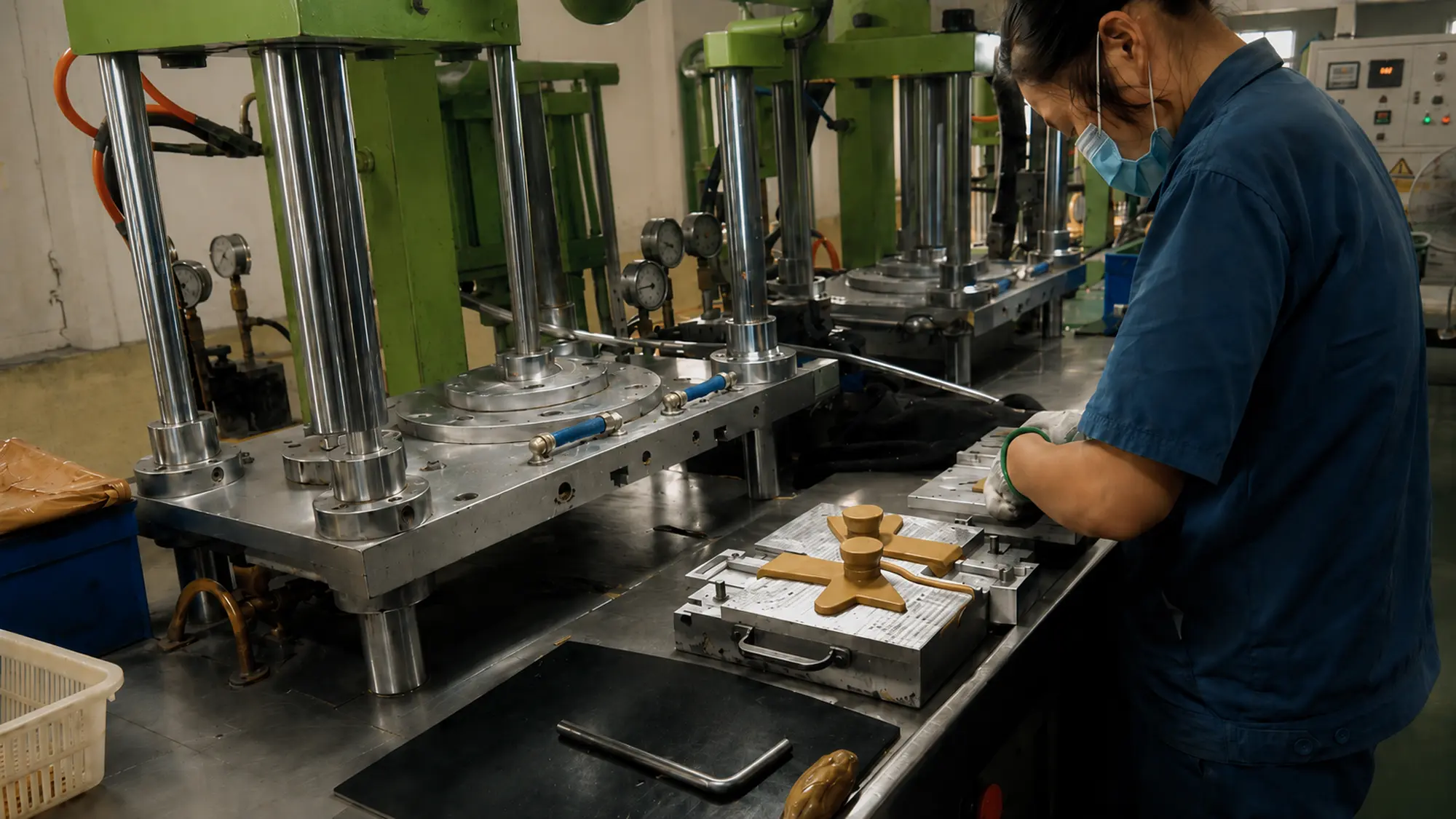
Investment casting is suitable for complex metal parts that are difficult or expensive to machine entirely from solid material. It can produce detailed shapes, curved surfaces, internal features, thin sections, and near-net-shape components in 304 and 316 stainless steel, carbon steel, alloy steel, and selected copper alloys.
Typical products include levers, brackets, fittings, valve components, impellers, clamps, hinges, hardware, mechanical components, and industrial parts requiring corrosion resistance, strength, or detailed geometry. The process can reduce material waste and machining time, but tolerances, surface requirements, heat treatment, annual quantity, and critical dimensions must be reviewed before tooling begins.
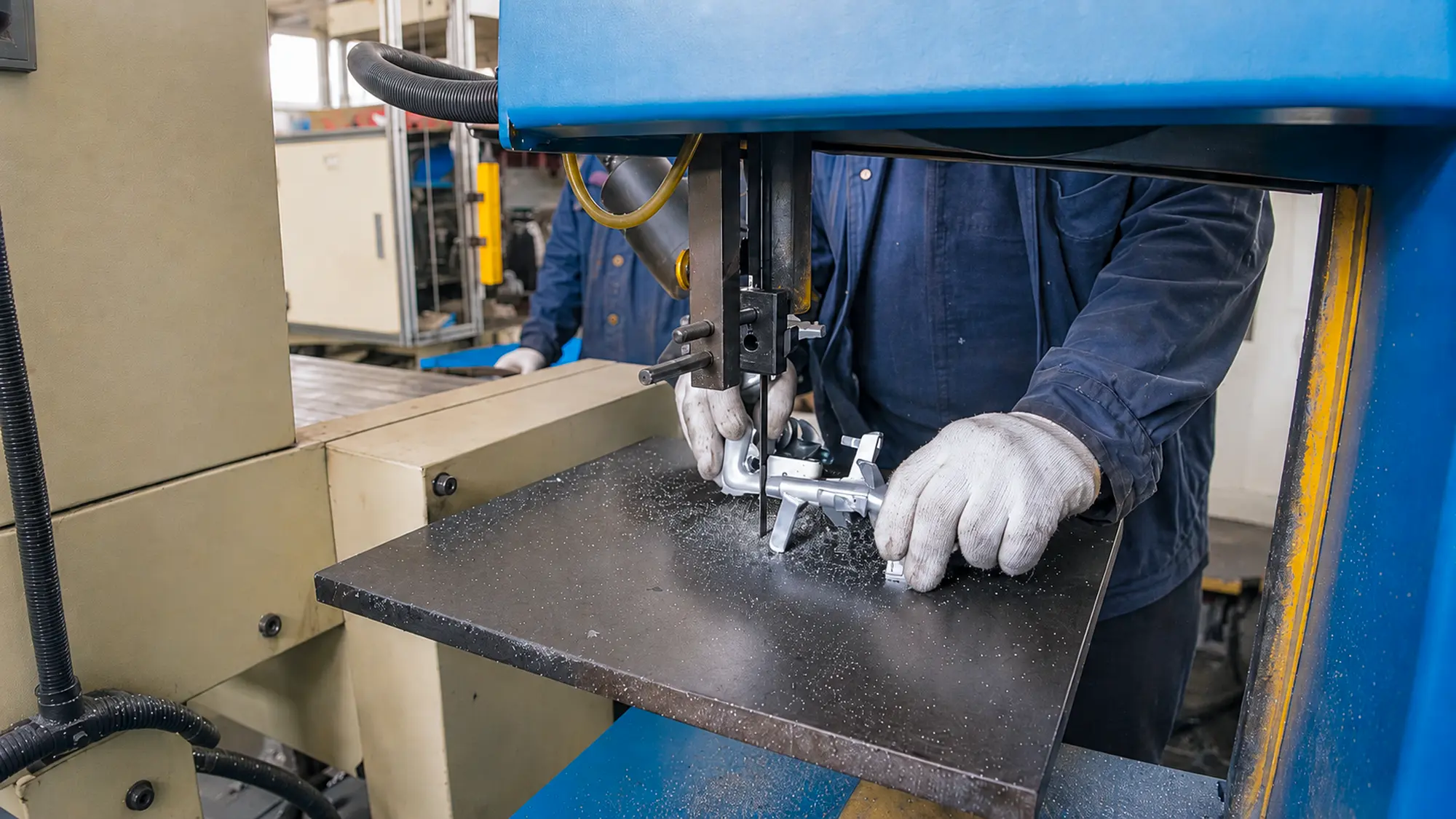
Tilt-pour gravity die casting and investment casting serve different materials, part structures, and production requirements. We review the drawing, application, alloy, quantity, tolerance, surface condition, mechanical requirements, and secondary operations before confirming whether either process is suitable.
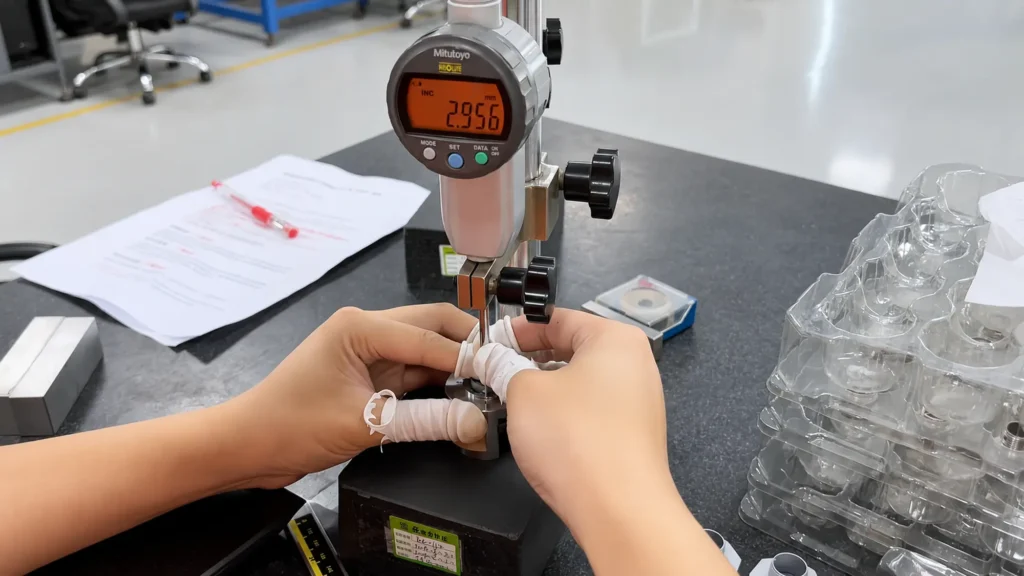
Depending on the project, finished-part support may include CNC machining, drilling, tapping, heat treatment, shot blasting, polishing, passivation, painting, powder coating, dimensional inspection, material verification, pressure or leakage testing, hardware installation, and assembly. This allows customers to source inspected, ready-to-use components rather than coordinating casting and secondary processing with multiple suppliers.
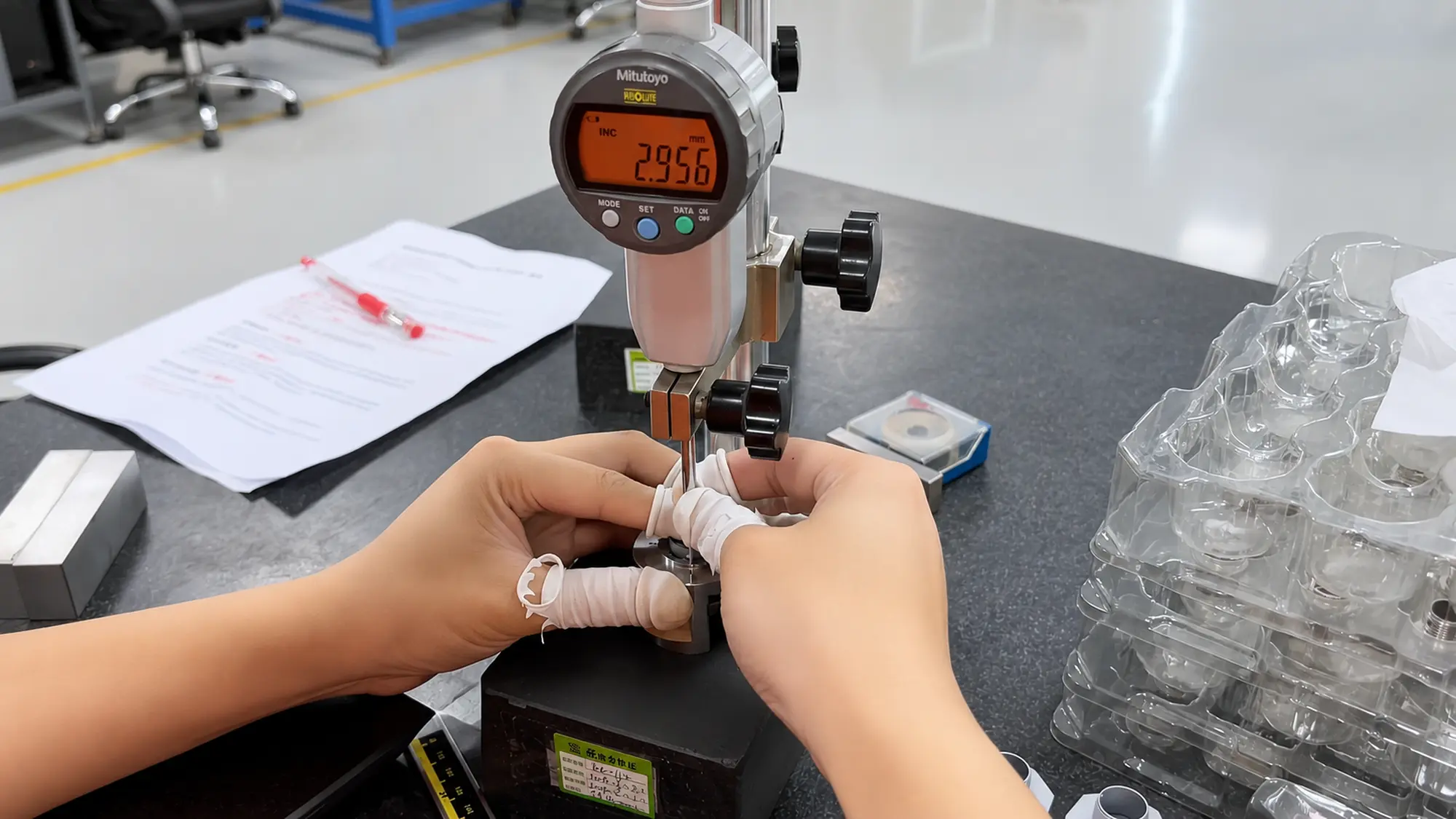
Tilt-pour gravity die casting is a practical option for selected aluminum components that require reusable metal tooling, controlled filling, consistent geometry, and secondary CNC machining. Typical parts include equipment housings, pump and valve bodies, covers, bases, brackets, mechanical supports, and other medium-sized aluminum components.
The process is generally considered when sand casting cannot provide the required surface quality or repeatability, while high-pressure die casting may not be appropriate for the part structure, production quantity, or internal-quality requirements. We review the alloy, wall thickness, casting weight, machining areas, annual demand, and functional requirements before recommending this manufacturing route.
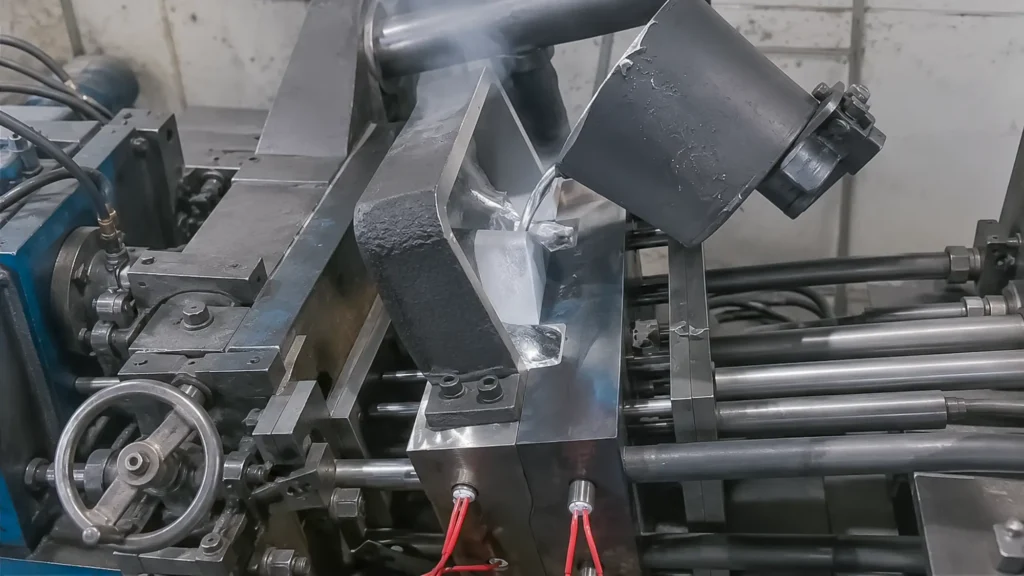
For tilt-pour aluminum castings, part quality depends on more than the external shape. Filling direction, wall transitions, feeding, solidification, shrinkage, porosity risk, machining allowance, and critical sealing or load-bearing areas must be considered before tooling and production.
We evaluate the casting together with its final machining and assembly requirements. CNC datums, threaded holes, sealing faces, bearing locations, and other functional features are identified early so material is added only where necessary. Trial castings can then be inspected for dimensions, surface condition, internal quality, machining results, and assembly fit before repeat production proceeds.
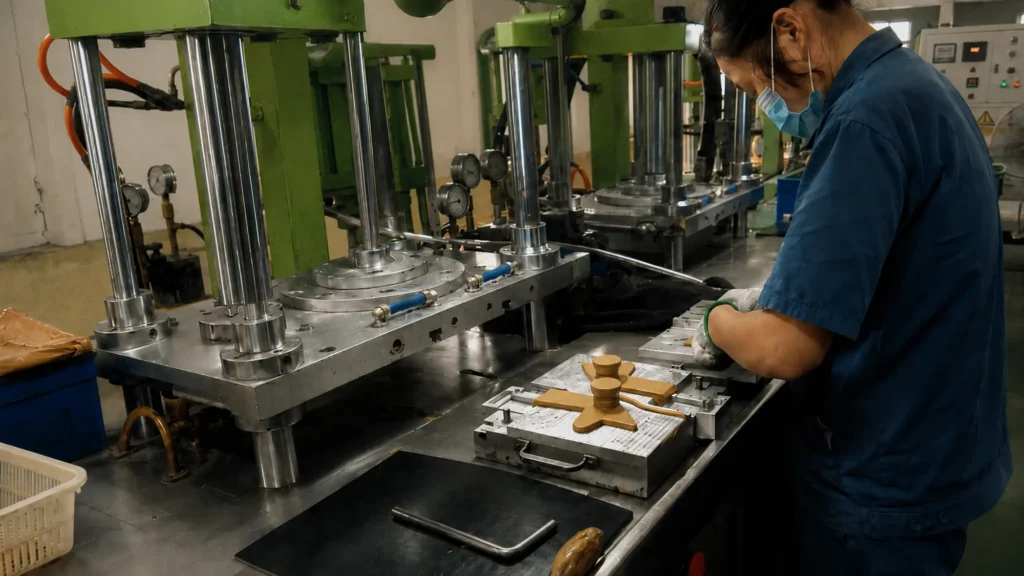
Investment casting is suitable for complex metal parts that are difficult or expensive to machine entirely from solid material. It can produce detailed shapes, curved surfaces, internal features, thin sections, and near-net-shape components in 304 and 316 stainless steel, carbon steel, alloy steel, and selected copper alloys.
Typical products include levers, brackets, fittings, valve components, impellers, clamps, hinges, hardware, mechanical components, and industrial parts requiring corrosion resistance, strength, or detailed geometry. The process can reduce material waste and machining time, but tolerances, surface requirements, heat treatment, annual quantity, and critical dimensions must be reviewed before tooling begins.
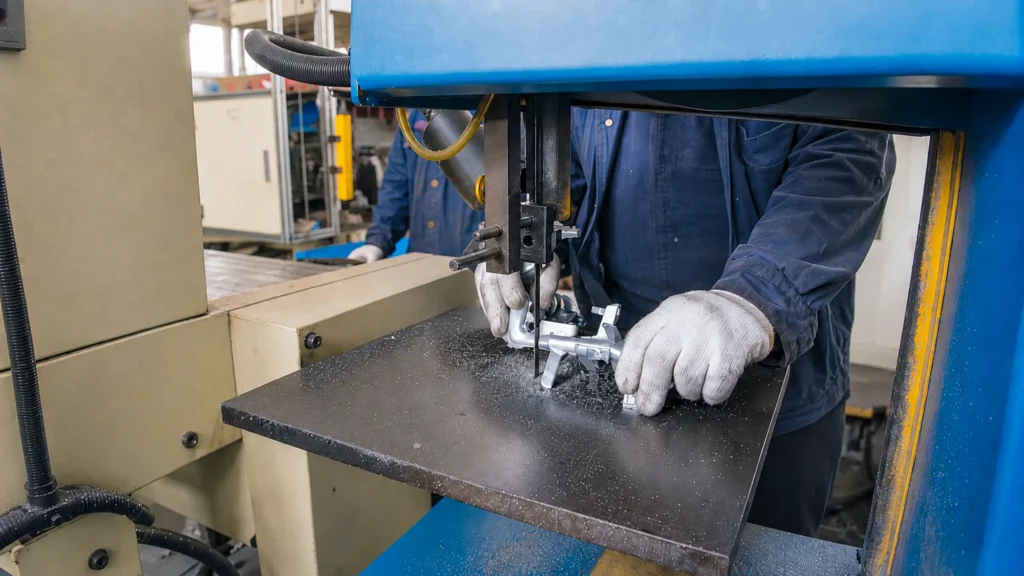
Tilt-pour gravity die casting and investment casting serve different materials, part structures, and production requirements. We review the drawing, application, alloy, quantity, tolerance, surface condition, mechanical requirements, and secondary operations before confirming whether either process is suitable.
Depending on the project, finished-part support may include CNC machining, drilling, tapping, heat treatment, shot blasting, polishing, passivation, painting, powder coating, dimensional inspection, material verification, pressure or leakage testing, hardware installation, and assembly. This allows customers to source inspected, ready-to-use components rather than coordinating casting and secondary processing with multiple suppliers.
Send us your 3D files, 2D drawings, material requirements, expected quantity, critical dimensions, surface requirements, and intended application. We can review whether tilt-pour gravity die casting or investment casting is suitable for your part and coordinate the required machining, heat treatment, surface finishing, inspection, and assembly.