Skip to content
Fitmold supports stamped sheet metal parts from prototypes and low-volume validation to progressive die tooling and repeat production. We manufacture housings, covers, brackets, clips, plates, structural components, and formed metal parts, with support for tooling, stamping, secondary fabrication, surface finishing, inspection, and assembly.
Sheet metal stamping is used for housings, covers, brackets, clips, mounting plates, shields, panels, frames, structural components, and other parts made from metal sheet. Depending on the design, we can produce flat blanked parts, pierced parts, bent components, shallow or deep-drawn shapes, flanged features, and multi-stage formed parts.
Stamping is especially effective when a project requires repeatable geometry, consistent hole and bend positions, good production efficiency, and competitive unit costs at medium or high volumes. However, tooling investment, material formability, part depth, bend radius, tolerance, and expected quantity must be considered before stamping is selected as the manufacturing process.
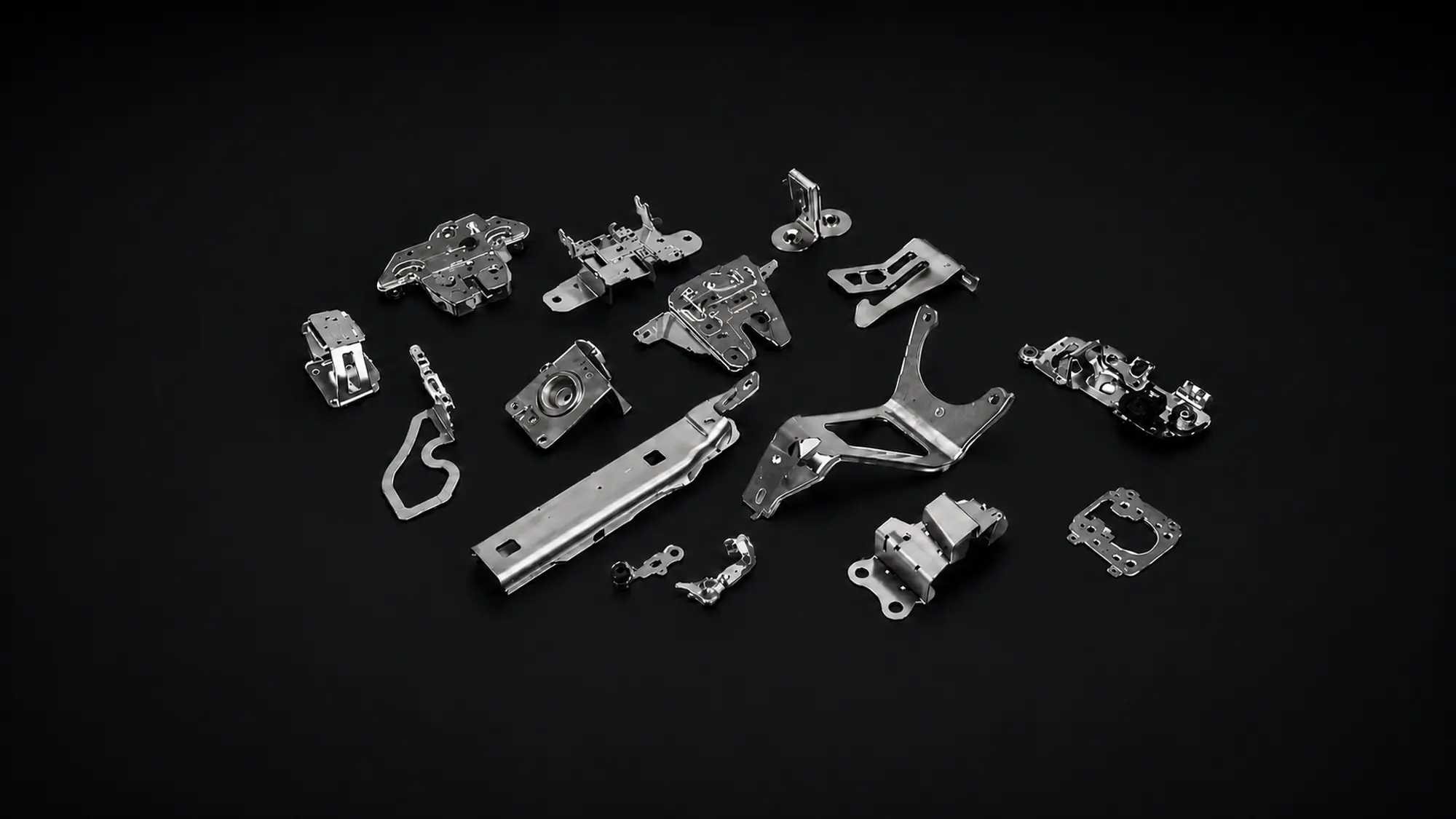
Not every project should begin with a full production stamping die. For prototypes and lower quantities, we can evaluate laser cutting, CNC punching, bending, simple forming tools, or prototype dies to verify dimensions, assembly, appearance, and product function before larger tooling investment.
When demand increases, the manufacturing process can be developed toward dedicated stamping dies and repeatable production. The most suitable route depends on part geometry, material thickness, forming difficulty, quantity, quality requirements, and whether the early samples must closely represent the final production process.
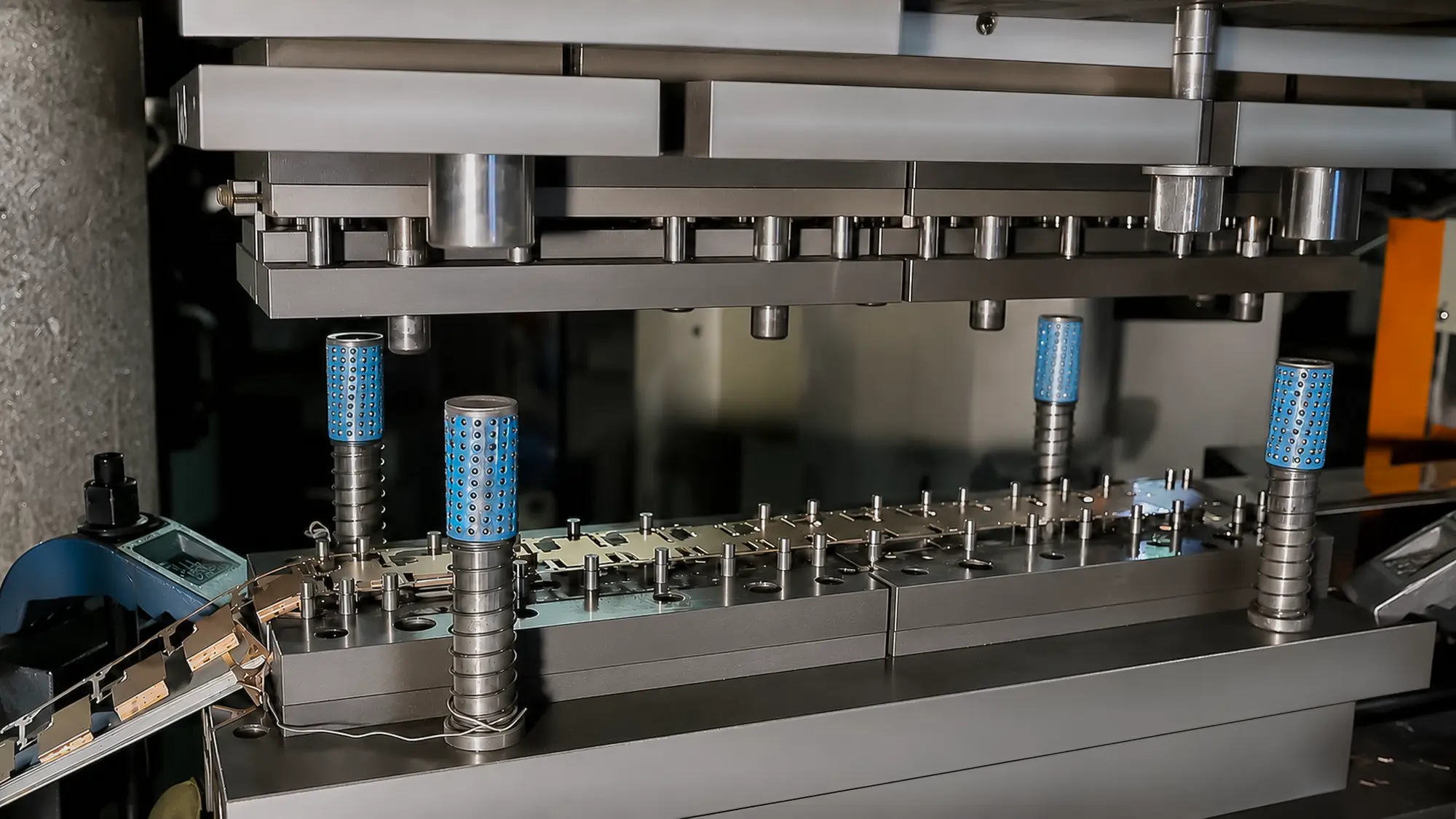
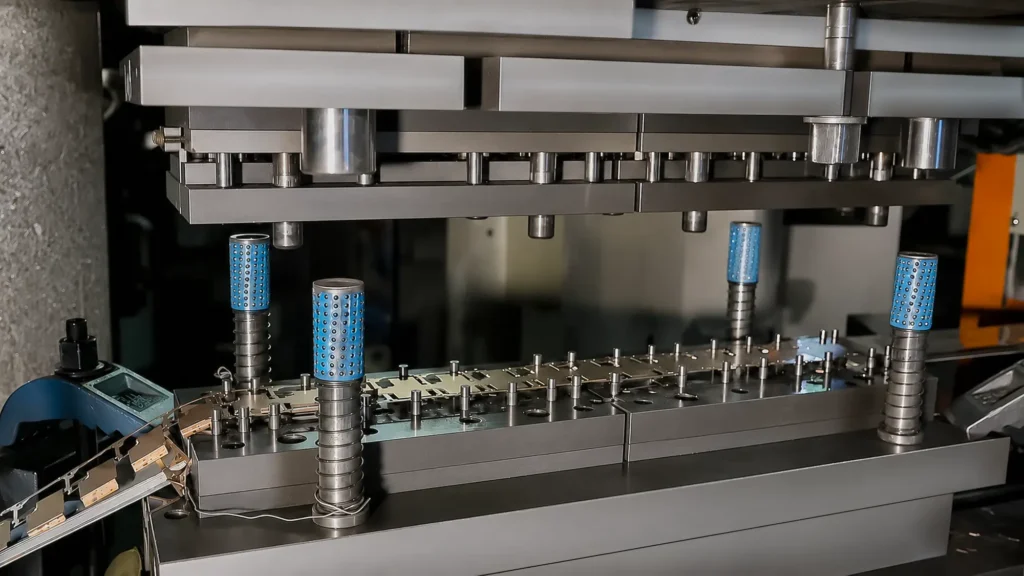
For repeat production, tooling may include single-operation dies, compound dies, progressive dies, transfer dies, or multi-stage forming systems. Progressive stamping dies can combine feeding, piercing, blanking, bending, and forming operations into a continuous process for higher-volume production.
High-speed and long-life stamping depend on more than press speed. Die material, heat treatment, cutting clearance, strip layout, guidance, alignment, lubrication, replaceable wear inserts, scrap removal, sensor protection, and maintenance access all affect production reliability. We design the tooling around the required output, material, part complexity, tolerance, and expected tool life rather than making the die unnecessarily complicated.
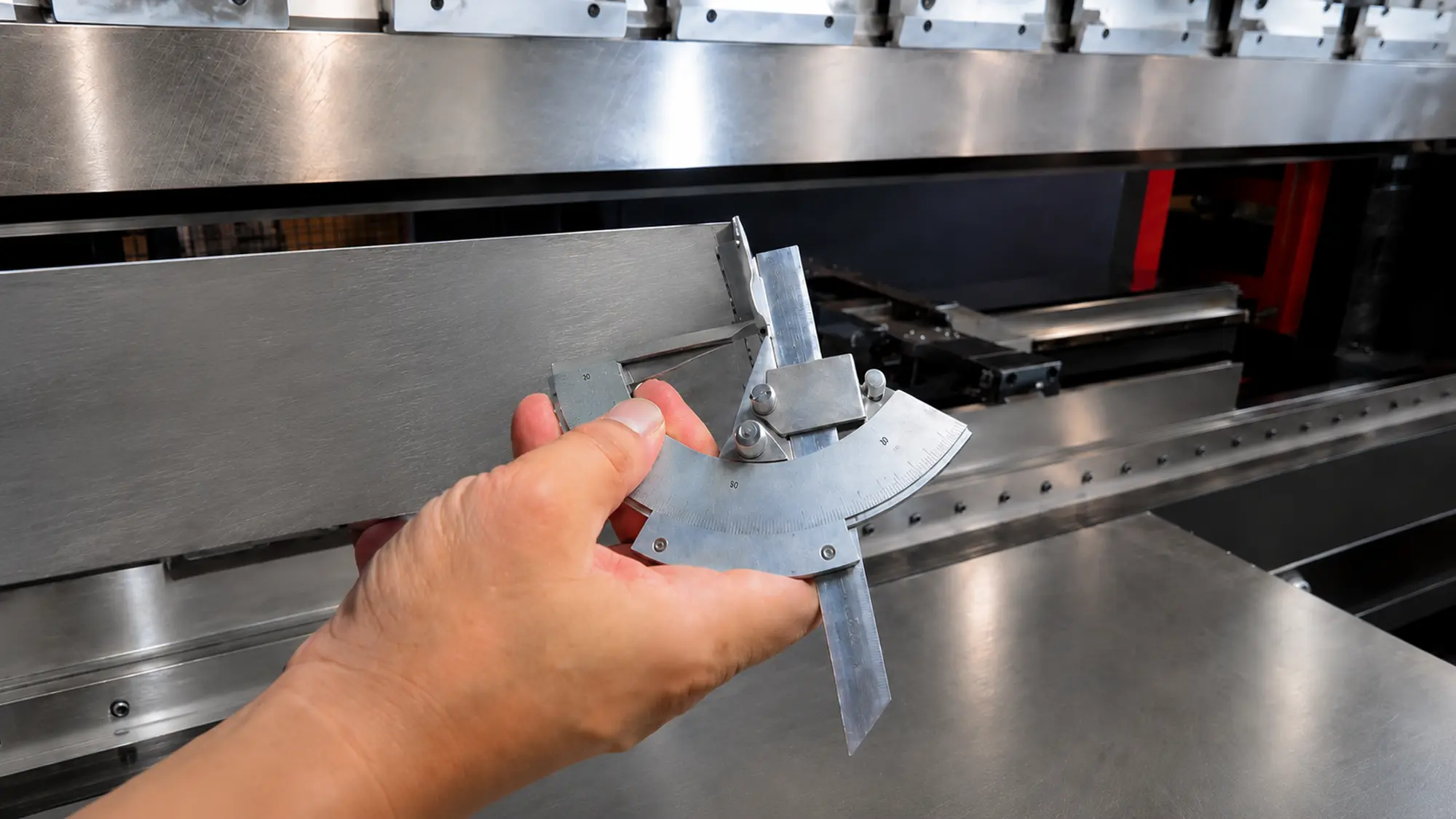
Stamped metal parts may require both dimensional control and a finished appearance. During production, we focus on burr direction, edge quality, flatness, springback, bend consistency, forming marks, scratches, surface protection, hole position, and assembly fit.
Depending on the material and application, secondary finishing may include deburring, polishing, brushing, powder coating, painting, electroplating, zinc plating, nickel or chrome plating, e-coating, anodizing for aluminum parts, and passivation for stainless steel. Tapping, welding, riveting, hardware insertion, assembly, and customized packaging can also be coordinated where required.
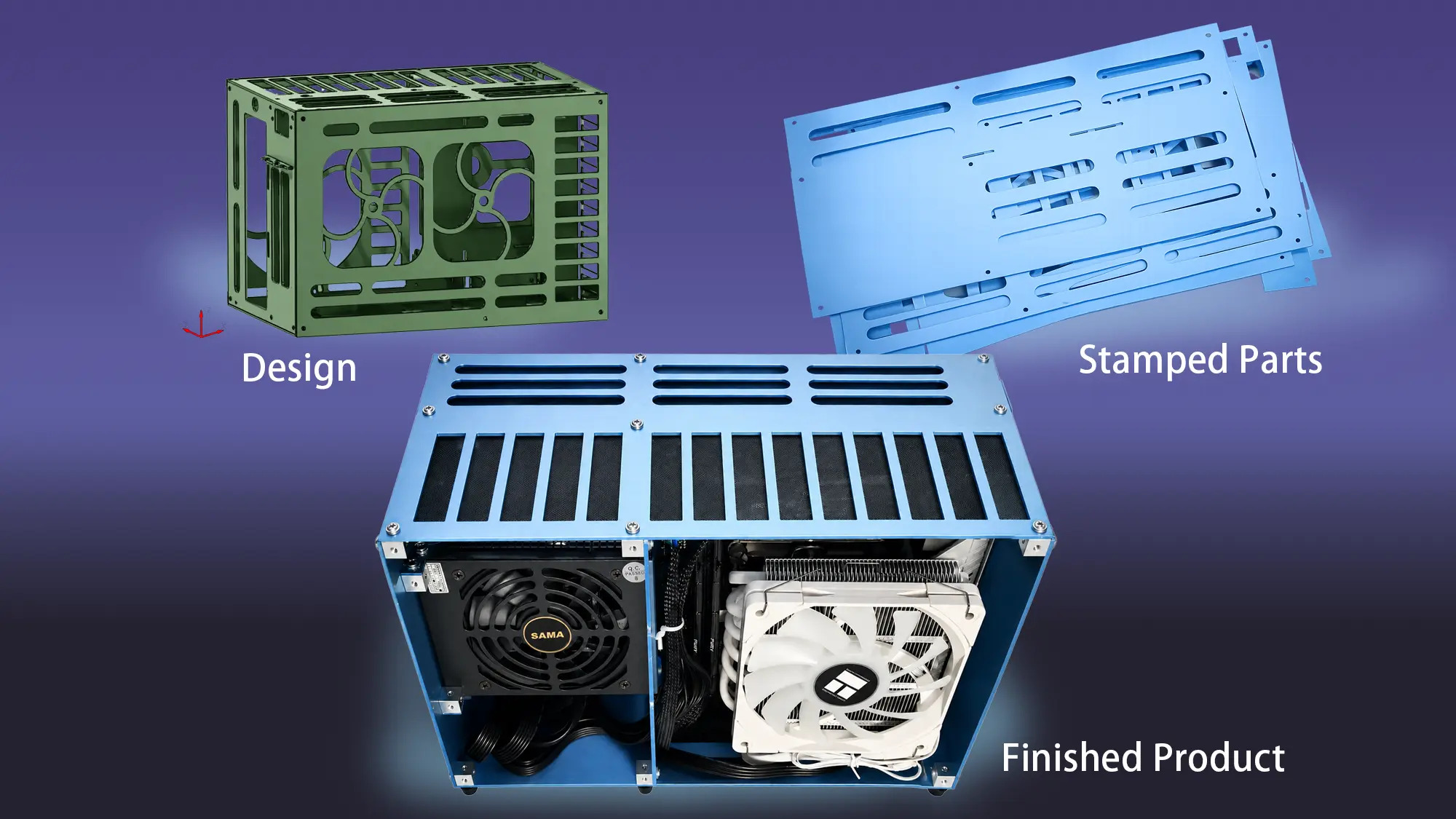
Sheet metal stamping is used for housings, covers, brackets, clips, mounting plates, shields, panels, frames, structural components, and other parts made from metal sheet. Depending on the design, we can produce flat blanked parts, pierced parts, bent components, shallow or deep-drawn shapes, flanged features, and multi-stage formed parts.
Stamping is especially effective when a project requires repeatable geometry, consistent hole and bend positions, good production efficiency, and competitive unit costs at medium or high volumes. However, tooling investment, material formability, part depth, bend radius, tolerance, and expected quantity must be considered before stamping is selected as the manufacturing process.
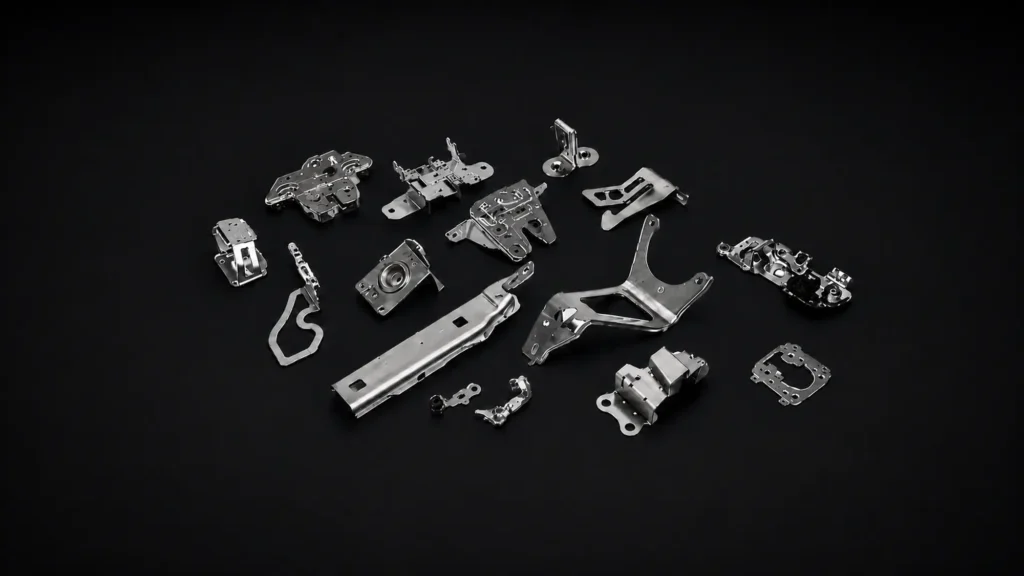
Not every project should begin with a full production stamping die. For prototypes and lower quantities, we can evaluate laser cutting, CNC punching, bending, simple forming tools, or prototype dies to verify dimensions, assembly, appearance, and product function before larger tooling investment.
When demand increases, the manufacturing process can be developed toward dedicated stamping dies and repeatable production. The most suitable route depends on part geometry, material thickness, forming difficulty, quantity, quality requirements, and whether the early samples must closely represent the final production process.
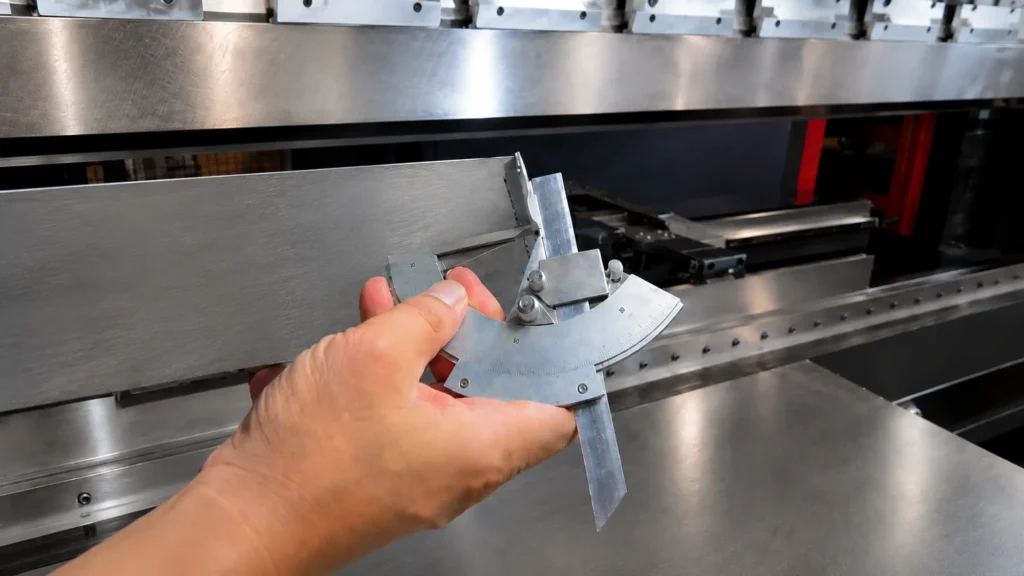
For repeat production, tooling may include single-operation dies, compound dies, progressive dies, transfer dies, or multi-stage forming systems. Progressive stamping dies can combine feeding, piercing, blanking, bending, and forming operations into a continuous process for higher-volume production.
High-speed and long-life stamping depend on more than press speed. Die material, heat treatment, cutting clearance, strip layout, guidance, alignment, lubrication, replaceable wear inserts, scrap removal, sensor protection, and maintenance access all affect production reliability. We design the tooling around the required output, material, part complexity, tolerance, and expected tool life rather than making the die unnecessarily complicated.
Stamped metal parts may require both dimensional control and a finished appearance. During production, we focus on burr direction, edge quality, flatness, springback, bend consistency, forming marks, scratches, surface protection, hole position, and assembly fit.
Depending on the material and application, secondary finishing may include deburring, polishing, brushing, powder coating, painting, electroplating, zinc plating, nickel or chrome plating, e-coating, anodizing for aluminum parts, and passivation for stainless steel. Tapping, welding, riveting, hardware insertion, assembly, and customized packaging can also be coordinated where required.
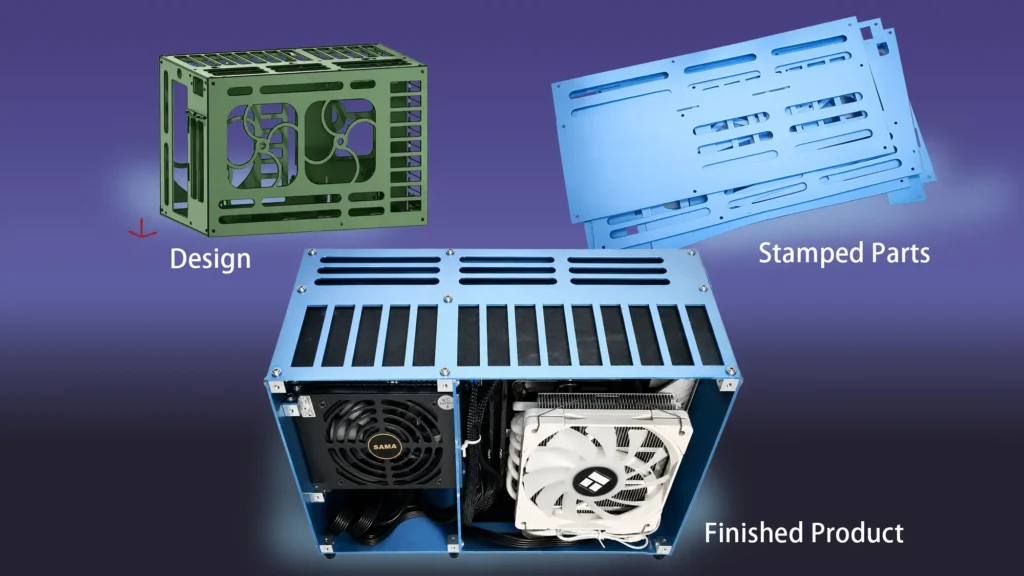
Send us your 3D files, 2D drawings, material specification, sheet thickness, surface requirements, expected quantity, and intended application. Whether you need prototype parts, low-volume production, a dedicated stamping die, or high-speed progressive tooling, we can review the project and recommend a practical manufacturing route, including forming, finishing, inspection, and assembly.
Mid-Autumn Festival
September 25–27, 2026
Regular business resumes September 28.
National Day Holiday
October 1–7, 2026
Regular business resumes October 8.
We will be working normally from September 28–30.