Skip to content

How to Make a Silicone Gasket with Silicone Rubber Compression Molding
Common processes used to produce silicone rubber parts include compression molding and injection molding. Among these methods, compression molding is widely used for a broad range of silicone products because it is suitable for many gasket, seal, and custom rubber part applications.
For silicone gaskets, compression molding is often selected when the product requires reliable sealing performance, stable shape, and practical tooling cost. With proper mold design, material selection, and process control, silicone rubber compression molding can produce gaskets with consistent dimensions and good functional performance.
What Is Silicone Rubber Compression Molding?
Compression molding is a manufacturing process in which silicone rubber material is placed into a heated mold cavity and then formed under pressure. After curing, the molded silicone part is removed from the mold and finished according to the product requirements. This process is commonly used for silicone gaskets, sealing rings, pads, and other custom silicone rubber components.
Compared with some other molding methods, compression molding can be a practical solution for products with relatively simple structure, stable sealing requirements, and controlled production cost. It is especially useful for many custom silicone gasket projects where functional performance is more important than extremely high-volume automation.
Why Compression Molding Is Used for Silicone Gaskets
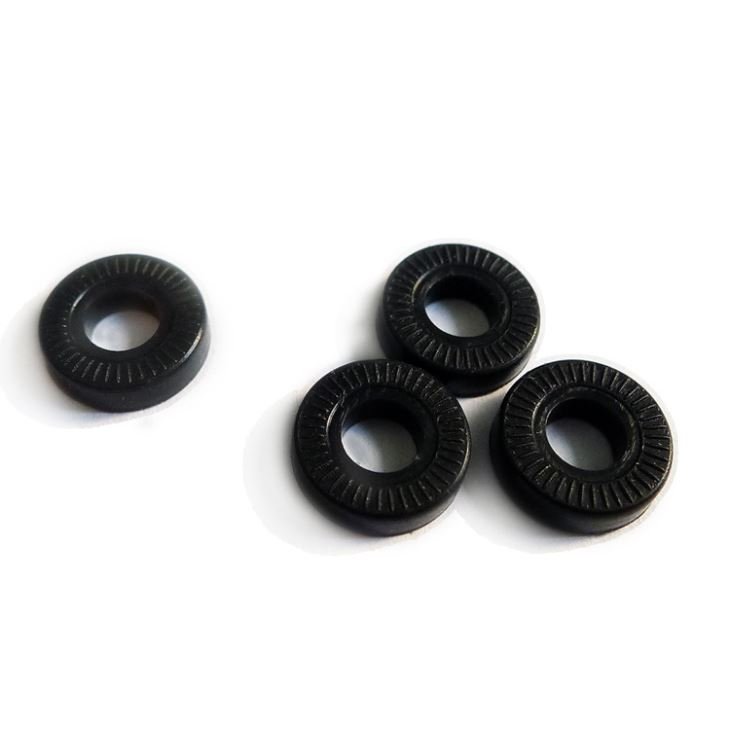
Silicone gaskets are widely used in electronic products, household appliances, industrial equipment, and automotive components because they can provide sealing, cushioning, waterproofing, and environmental protection. Compression molding is suitable for these products because it allows good control over gasket shape, material behavior, and sealing performance.
In actual production, gasket quality depends on several important factors, including silicone material properties, mold accuracy, curing control, and post-molding inspection. A well-managed compression molding process helps improve consistency and supports more reliable product performance in use.
Key Steps in Silicone Gasket Manufacturing
- Material Selection
Select the appropriate silicone rubber based on hardness, resilience, temperature resistance, and sealing requirements. - Mold Development
Design and manufacture the mold according to the gasket structure, dimensions, and production requirements. - Compression Molding Process
Place the silicone material into the mold cavity and apply heat and pressure to form and cure the gasket. - Demolding and Finishing
Remove the molded gasket, trim excess flash if required, and inspect the part for dimensional and surface quality. - Quality Verification
Check whether the finished gasket meets the sealing, appearance, and application requirements.
Custom Silicone Gasket Manufacturing Support
FITMOLD provides mold development and production support for custom silicone rubber parts, including silicone gaskets, sealing rings, and other molded silicone components. Based on customer drawings, samples, or application requirements, we help evaluate manufacturability, tooling feasibility, and production stability before mass production.
If you are looking for a manufacturing partner for silicone gasket production and silicone rubber compression molding, FITMOLD can support your project from mold development to production.
Contact us: sales@fitmold.com