Skip to content

How to Improve Mold Quality and Extend Mold Service Life
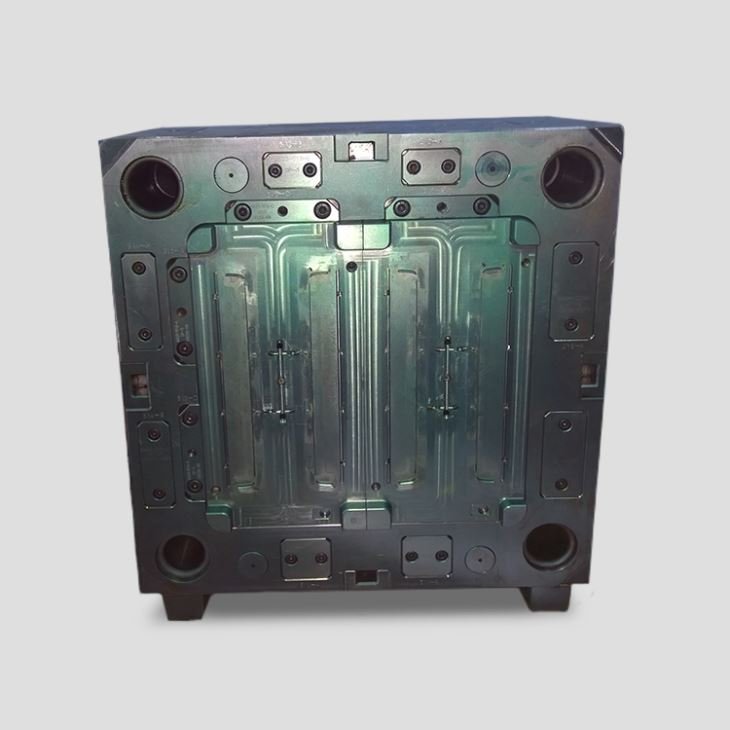
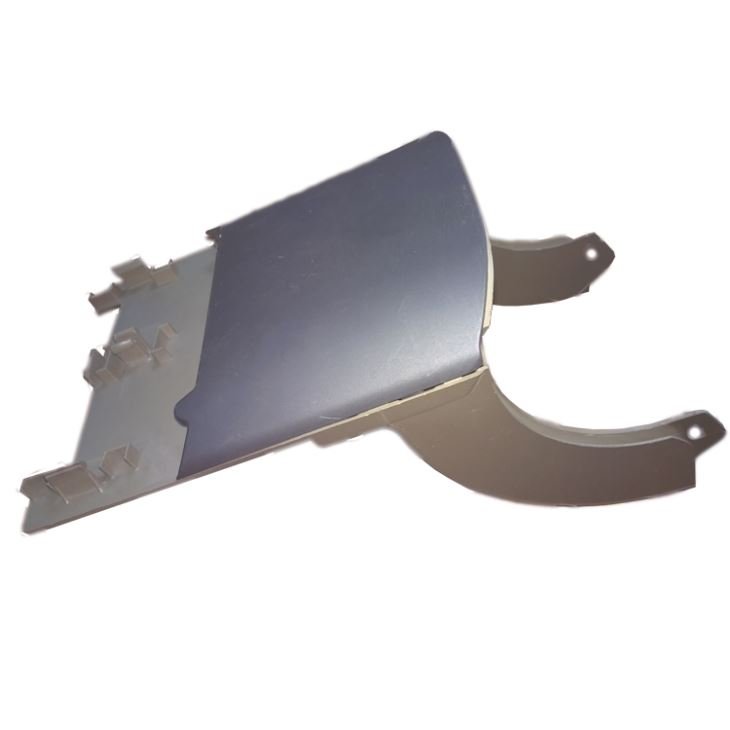
Molds are widely used in injection molding, blow molding, extrusion, die casting, forging, smelting, and stamping processes. Since molds directly determine product shape, dimensional accuracy, and production efficiency, mold quality is extremely important for manufacturers.
Improving mold quality requires careful attention to material selection, machining accuracy, structural design, and maintenance considerations. A high-quality mold not only improves product consistency but also reduces maintenance costs and extends service life.
1. Choose the Right Mold Material
Mold material selection is one of the most important factors affecting mold quality. The selected material should meet the customer’s product quality requirements while also considering cost, production volume, service life, and operating conditions.
When selecting mold materials, manufacturers should evaluate:
- Required product quality and dimensional accuracy
- Expected mold life and production volume
- Material cost and processing cost
- Operating conditions and working temperature
- Common mold failure types such as wear, cracking, or corrosion
- Production speed and cycle requirements
Proper material selection can improve wear resistance, toughness, hardness, corrosion resistance, and overall mold durability.
2. Improve Mold Manufacturing Accuracy
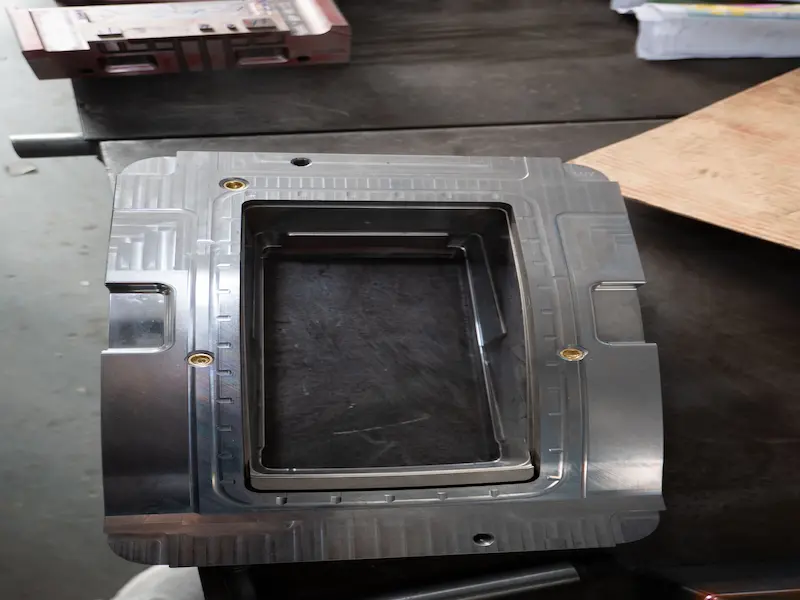
Mold manufacturing quality has a direct impact on mold life and product performance. The machining accuracy of every mold component affects the overall assembly quality and operating stability of the mold.
Improving machining quality can be achieved through:
- Using high-precision machining equipment
- Improving machining methods and process control
- Reducing dimensional deviations between components
- Improving surface finish and fitting accuracy
- Ensuring precise assembly of all mold parts
Better machining accuracy reduces assembly errors, improves product consistency, and minimizes mold wear during production.
3. Optimize Mold Structure Design
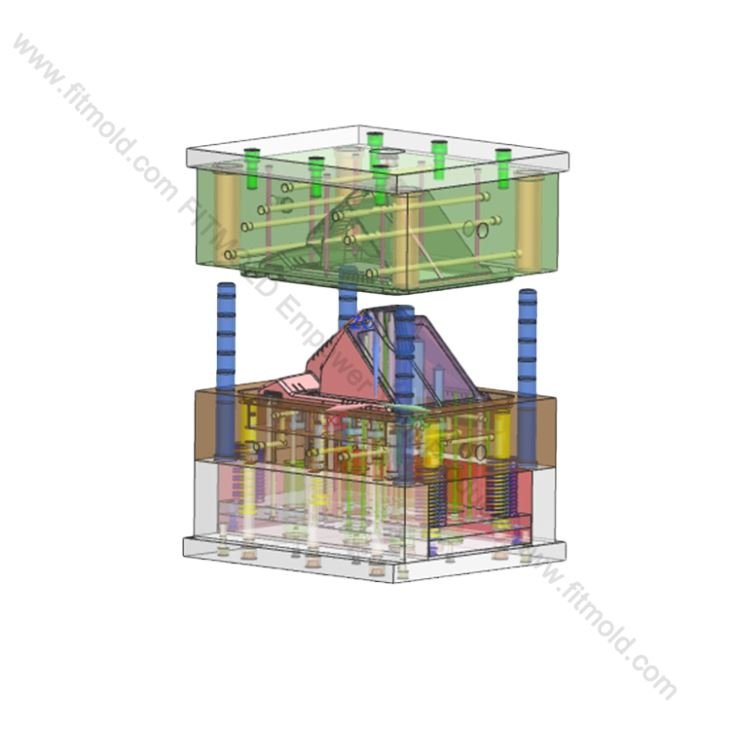
Good mold structure design is essential for both mold quality and long-term reliability. Mold designers should focus on creating structures that are compact, strong, easy to operate, and convenient to maintain.
When designing mold structures, the following points should be considered:
- Use compact and practical structural layouts
- Ensure sufficient mold strength and rigidity
- Design rounded corners whenever possible to reduce stress concentration
- Use split structures or combined inserts in areas with high stress concentration
- Optimize cavity and core design to reduce cracking risk
Reducing stress concentration is especially important because cracks often start in sharp corners, thin sections, or areas with uneven loading.
4. Simplify Maintenance and Part Replacement
During mold design, damaged or worn parts should be easy to access and replace. Designers should try to minimize the amount of disassembly required when servicing the mold.
This is particularly important for components that are more likely to wear, crack, or become damaged during production.
Easy maintenance design can provide several benefits:
- Reduced mold downtime
- Lower maintenance costs
- Faster repair and replacement of worn parts
- Longer overall mold service life
- Improved production efficiency
Conclusion
Improving mold quality is not only about using better materials. It also requires high-precision machining, optimized structural design, and convenient maintenance planning.
By selecting suitable mold materials, improving machining accuracy, reducing stress concentration, and simplifying maintenance, manufacturers can significantly improve mold life, reduce production costs, and achieve more stable product quality.