Skip to content

Key Considerations in Injection Mold Design for Automotive Plastic Parts
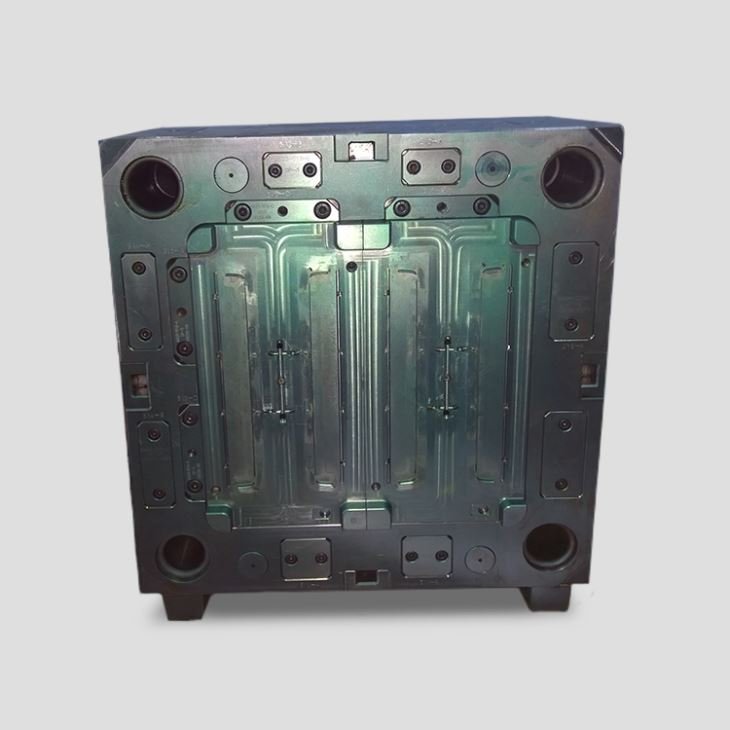
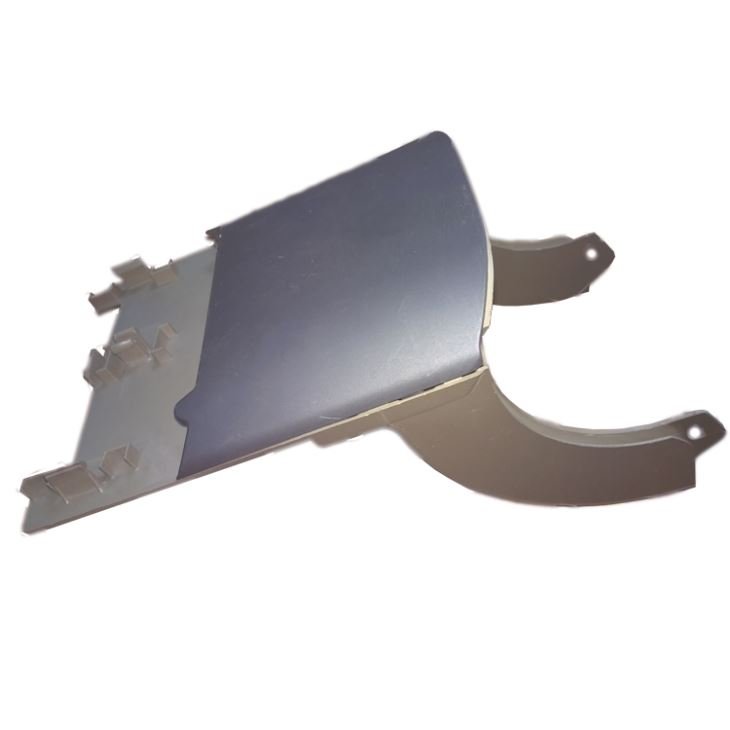
As the automotive industry continues to develop, the demand for plastic parts keeps increasing. Plastic components are widely used in modern vehicles because they help reduce weight, improve design flexibility, and support efficient mass production. In automotive manufacturing, the quality of plastic parts depends not only on material selection and process control, but also on the design and quality of the injection mold itself.
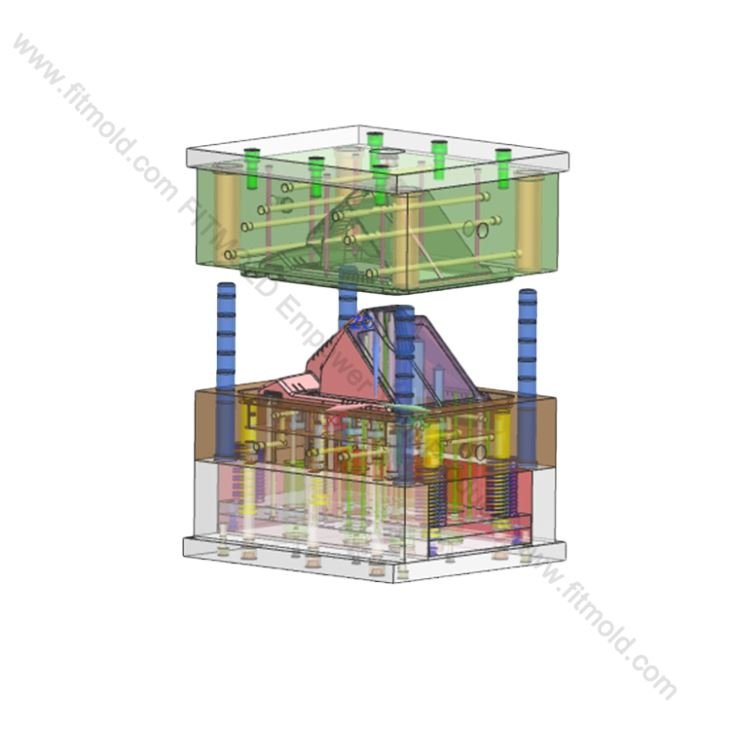
A well-designed injection mold helps improve dimensional consistency, surface quality, production efficiency, and long-term manufacturing stability. For automotive plastic parts, mold design must consider the structure of the product, demolding performance, cavity layout, material behavior, and the practical requirements of mass production.
1. Product Design Is the Starting Point of Mold Design
The design of the plastic part is one of the most important factors in injection mold development. Before mold design begins, the product structure should be reviewed carefully to make sure it is suitable for molding and demolding. A practical plastic part design can help reduce mold complexity, lower tooling risk, and improve production efficiency.
In general, unnecessary undercuts, deep concave areas, and overly complicated surface geometry should be avoided whenever possible. Simplifying the product structure can help reduce tooling difficulty and improve mold reliability during production.
2. Structural Design Must Support Smooth Demolding
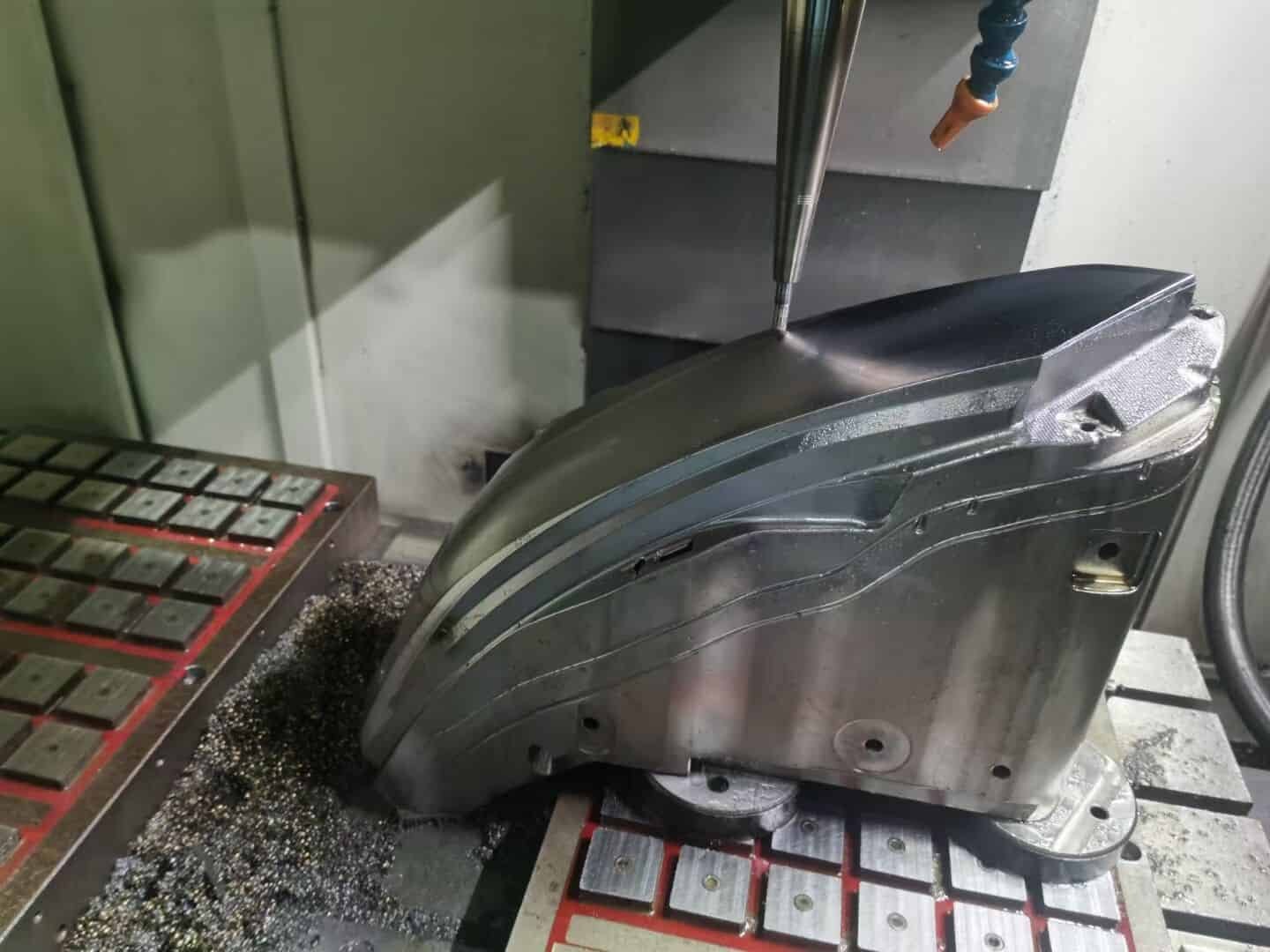
Both the inner and outer surfaces of a plastic part should include appropriate draft angles that meet demolding requirements. Proper draft design helps the part release more smoothly from the mold and reduces friction during ejection. To achieve better appearance and more stable molding performance, product surfaces should be designed with smooth transitions and practical curvature whenever possible.
Sharp corners should generally be replaced with radiused transitions. Rounded corners help improve material flow, reduce stress concentration, and make mold machining and polishing easier. For automotive plastic parts, these details are important not only for manufacturability, but also for final product quality and durability.
3. Basic Requirements for Mold Components
Injection mold components must provide sufficient strength, hardness, and wear resistance to support stable production. If the mold material and heat treatment do not meet practical requirements, the mold may suffer from premature wear, reduced surface quality, or poor dimensional consistency over time. In many applications, mold hardness must meet the required standard according to the part structure, production volume, and expected mold life.
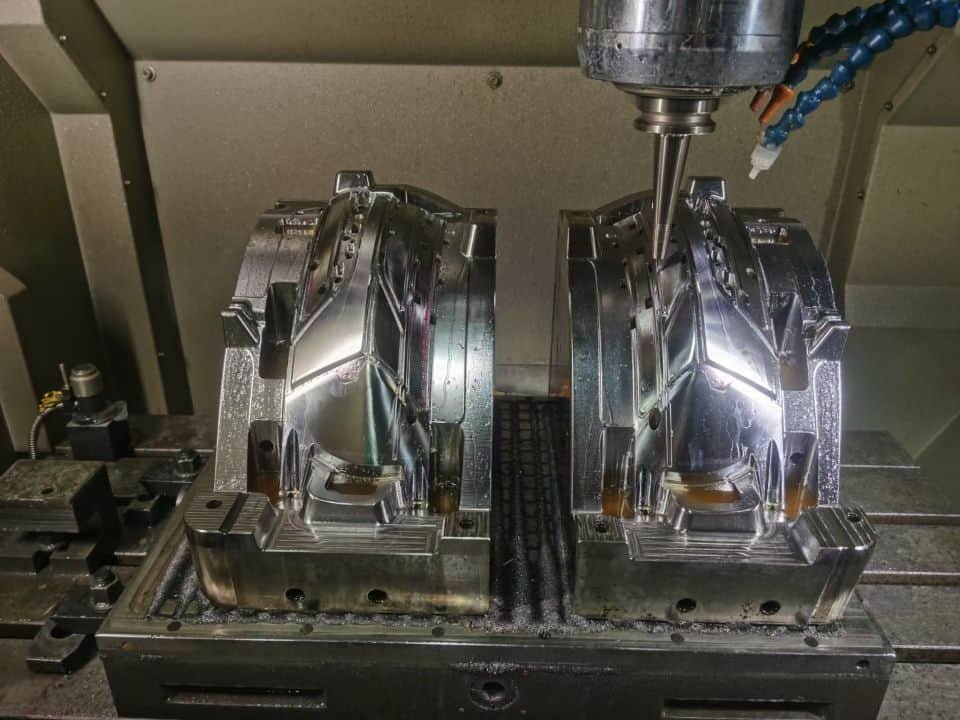
For parts that require a better cosmetic surface, the cavity area often needs polishing to achieve the desired finish. Mold quality should support the product requirements in terms of appearance, dimensional accuracy, and production stability, while also helping improve manufacturing efficiency and cost control.
4. Determining the Number of Cavities
The number of cavities in an injection mold should be determined based on multiple practical factors, including part size, projected area, injection machine capacity, clamping force, molding cycle, required production volume, and target cost. It is not simply a matter of adding more cavities to increase output.
In actual mold design, the cavity quantity should be selected through a balanced evaluation of production efficiency, mold complexity, part precision, maintenance requirements, and overall project economy. For automotive plastic parts, this decision directly affects both tooling investment and long-term manufacturing performance.
5. Determining the Mold Parting Line and Parting Surface
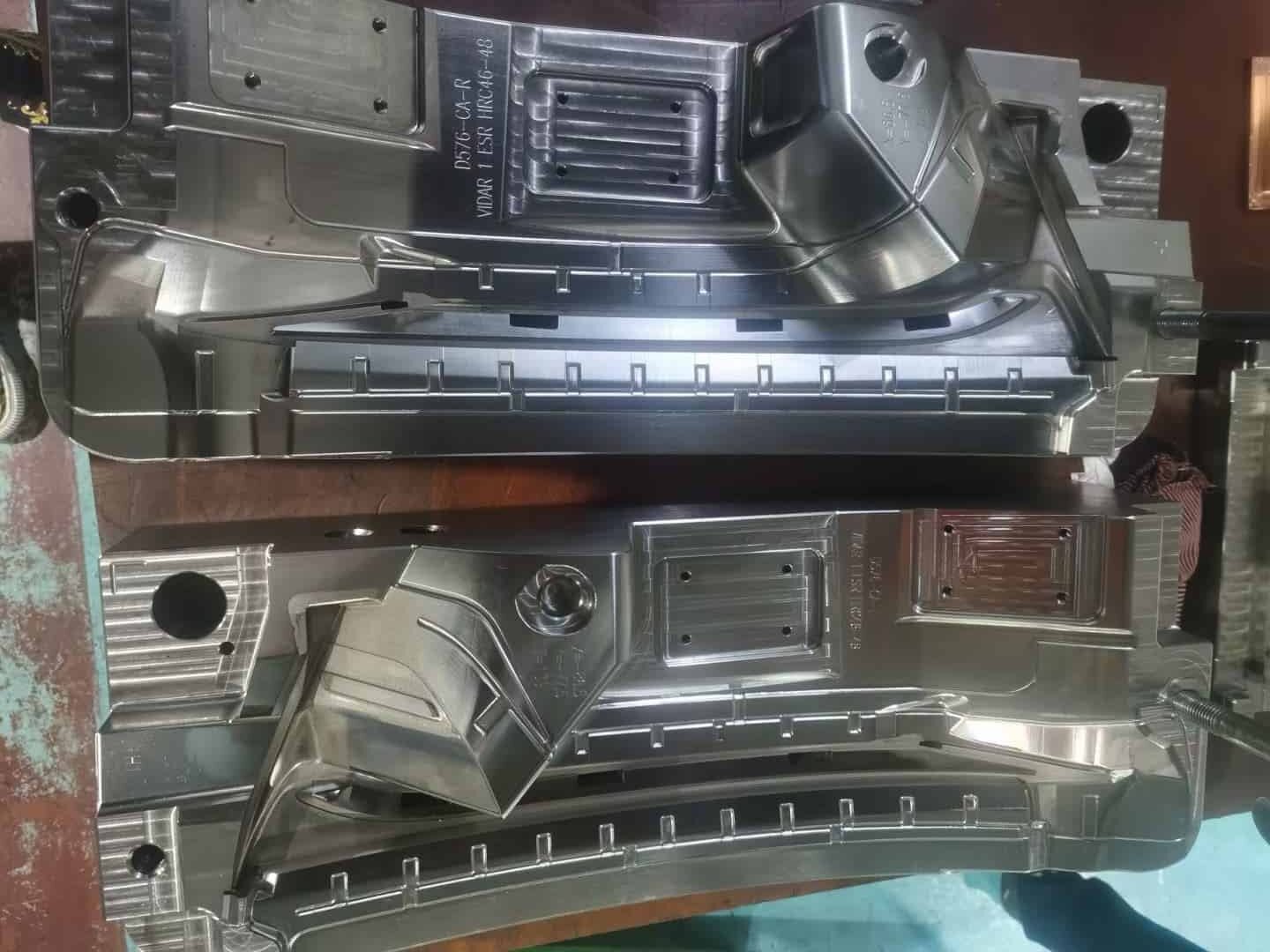
The parting line should be determined according to the shape, appearance requirements, and demolding needs of the plastic part. A proper parting line helps divide the product between the fixed mold side and the moving mold side in a way that supports mold opening, product release, and practical tooling construction.
Once the parting line is confirmed, the parting surface can be developed accordingly. A well-planned parting surface helps improve mold structure design, reduce flash risk, and support more stable production. For automotive parts with more complicated geometry, parting line design is often an important factor in balancing appearance quality and manufacturability.
Injection Mold Development for Automotive Applications
Automotive plastic part molding requires more than simple mold fabrication. It requires practical engineering judgment throughout product review, mold structure planning, cavity design, demolding strategy, and production control. A good mold design helps ensure that the final part can meet both functional and manufacturing requirements.
FITMOLD supports customers with injection mold development and production solutions for automotive plastic parts. Based on product structure, quality requirements, and production planning, we help improve mold manufacturability, reduce development risk, and support more stable mass production performance.
If you are looking for a manufacturing partner for automotive injection molds and plastic part production, FITMOLD can support your project from design review to tooling and production.