Skip to content

Advantages of Plastic Materials and Plastic Products
Plastic materials are widely used in modern manufacturing because they offer a practical combination of design flexibility, processability, lightweight performance, corrosion resistance, insulation properties, and cost efficiency. Compared with many traditional materials, plastics can often provide more freedom in product design while also supporting efficient mass production.
Because of these advantages, plastics are used in a wide range of industries, including automotive, electronics, household appliances, industrial equipment, consumer products, packaging, and medical applications. Depending on the product requirements, plastics can be selected and modified to achieve different structural, visual, electrical, and functional properties.
1. Easy to Process and Manufacture
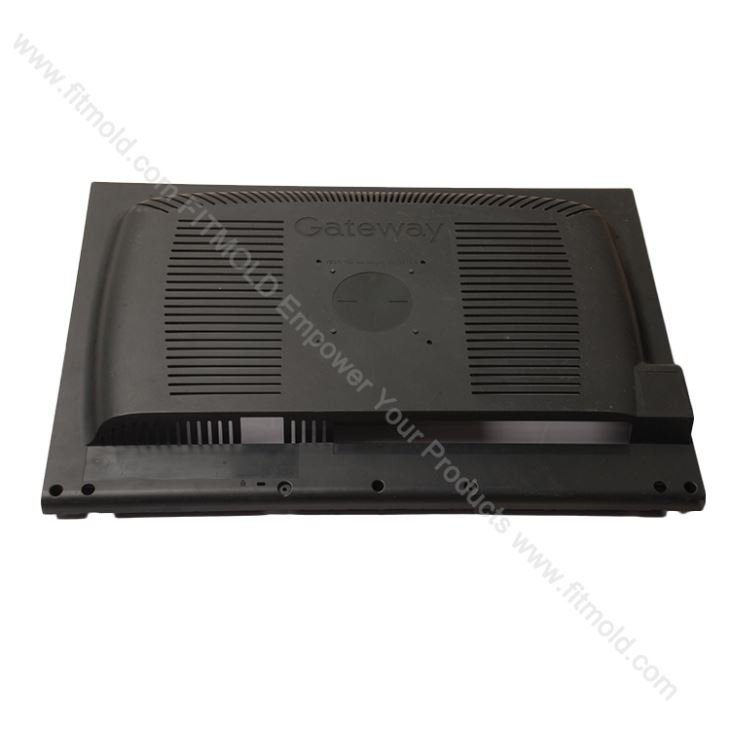
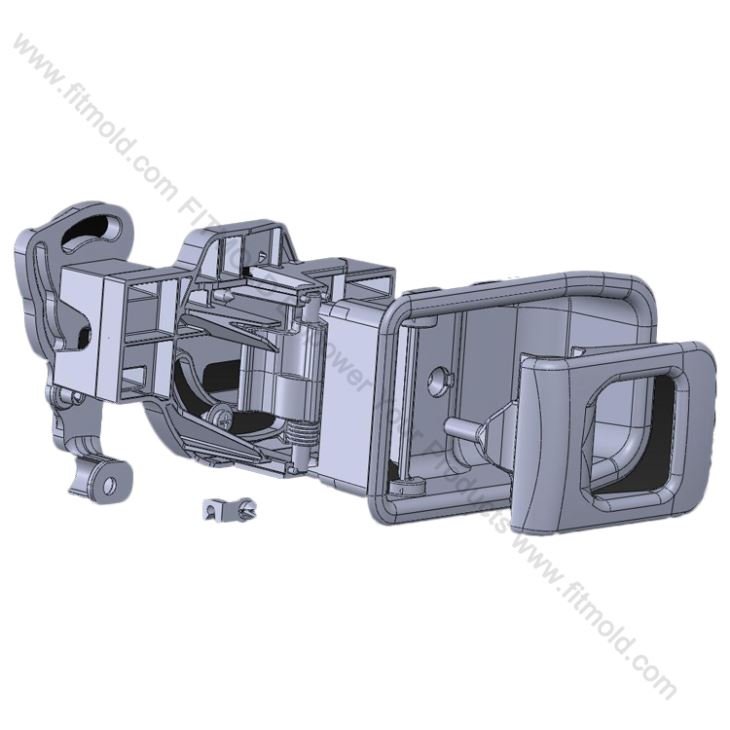
One of the main advantages of plastic materials is that they are relatively easy to process and form into finished products. As long as the product can be released from the mold, even parts with relatively complex geometry can often be manufactured efficiently. This gives plastics a strong advantage over many traditional machining methods, especially for products with complicated shapes.
Injection molding is a good example. Through a single molding process, it is possible to produce highly complex finished parts with stable repeatability and high productivity. This makes plastic manufacturing especially suitable for large-volume production.
2. Flexible Appearance and Color Options
Plastic products can be produced in a wide range of colors and surface appearances. Depending on the material and process, they can also be made transparent, translucent, glossy, matte, textured, or decorative. This allows product designers and manufacturers to achieve better visual presentation and greater design flexibility.
Because plastics can be colored more freely, they are often used to improve product appearance, branding, and perceived value. Transparent plastic materials can also be used when optical visibility or a clear appearance is required.
3. Lightweight with Good Strength
Compared with many metal or ceramic materials, plastics are generally lighter in weight while still offering useful mechanical properties. Their high strength-to-density ratio makes them suitable for lightweight product design, which is especially important in automotive, electronics, and portable consumer products.
In many cases, the strength of plastics can be further improved through reinforcement, such as adding glass fiber. This allows manufacturers to achieve a better balance between low weight and structural performance. Because lightweight products can help reduce material usage and energy consumption, plastic applications continue to expand in many industries.
4. Corrosion Resistance and No Rust
Plastics are generally resistant to corrosion from many chemicals and environments. Unlike metals, they do not rust easily and are often less affected by moisture, acids, alkalis, salts, oils, and other corrosive media under suitable conditions. This makes plastics a practical choice for products used in humid, chemical, or outdoor environments.
Because of this corrosion resistance, plastic products are widely used in containers, housings, fluid-related components, and parts that need better environmental durability.
5. Low Thermal Conductivity and Good Insulation
Plastic materials usually have relatively low thermal conductivity, which means they do not transfer heat easily. For this reason, plastics often provide good thermal insulation and heat preservation performance. This property is useful in many household, industrial, and electrical products where thermal separation or user safety is important.
6. Electrical Insulation and Functional Flexibility
Most plastics are naturally good electrical insulators, which is one of the reasons they are widely used in electrical and electronic products. In many cases, plastic materials help provide insulation, product safety, and structural support at the same time.
At the same time, plastics can also be modified for special functional purposes. For example, when filled with conductive materials such as metal powder or other functional additives, some plastic compounds can be used to produce conductive or antistatic parts. This makes plastics highly flexible in engineering design.
7. Shock Absorption, Sound Absorption, and Transparency
Many plastics offer good shock absorption and sound-damping properties. This makes them useful in products that require vibration reduction, impact absorption, or noise control. In addition, transparent plastic materials such as PMMA, PS, and PC can be used for optical or transparent applications, including lenses, covers, signs, guards, and display components.
Because plastics can combine visual quality with functional performance, they are often selected for products that require both appearance and practicality.
8. Cost Efficiency in Manufacturing
Although plastic raw materials are not always inexpensive, the overall manufacturing cost of plastic products can often be lower because plastics are easier to process and can support efficient mass production. Tooling and equipment investment may also be more practical depending on the product type and production scale.
When the product is suitable for molding and high-volume manufacturing, plastics can help reduce unit cost, improve production speed, and support more economical manufacturing solutions.
Why Plastics Are Widely Used in Modern Manufacturing
The broad use of plastics is not based on one single advantage, but on the combination of multiple practical benefits. Plastics can offer better design freedom, lighter weight, corrosion resistance, insulation performance, attractive appearance options, and cost-effective manufacturing. Because of this balanced performance, plastics continue to replace or complement traditional materials in many applications.
In actual product development, however, material selection still needs to be based on real application requirements. Factors such as strength, temperature resistance, chemical exposure, appearance quality, dimensional stability, and manufacturing method should all be evaluated before the final material is chosen.
Plastic Part Development Support from FITMOLD
FITMOLD supports custom plastic part development, mold manufacturing, and production planning for projects that require practical engineering review and stable manufacturing solutions. Based on product structure, material requirements, and production goals, we help customers evaluate manufacturability and choose suitable tooling and production methods.
If you are looking for a manufacturing partner for custom plastic parts and mold development, FITMOLD can support your project from design review to tooling and production.
Contact us: sales@fitmold.com