
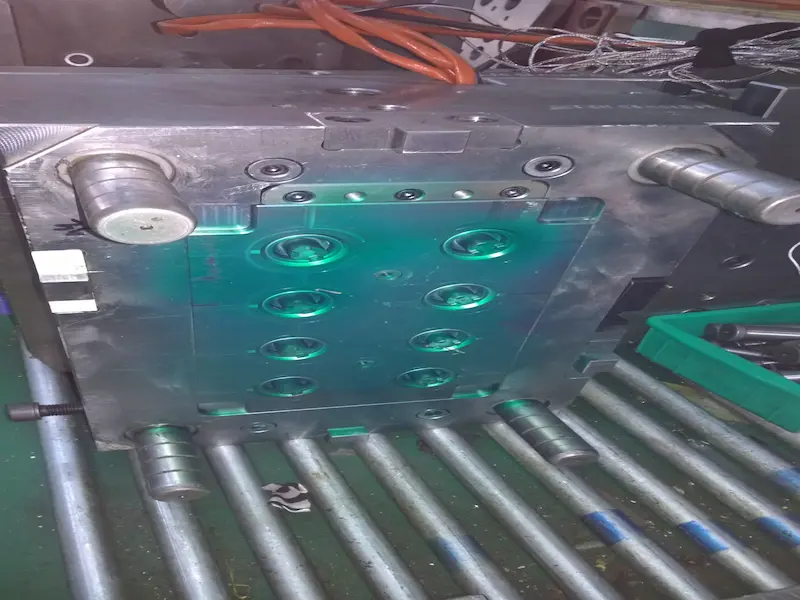
Green Mold Design Principles for Sustainable Manufacturing
Green mold design focuses on reducing environmental impact throughout the entire mold life cycle, from material selection and manufacturing to packaging, reuse, and recycling. In addition to improving production efficiency, sustainable mold design helps reduce waste, lower energy consumption, and support long-term cost savings.
1. Green Material Selection
Material selection plays an important role in the environmental performance of the mold and the final product. Green mold materials should have low pollution, low energy consumption, and good recyclability.
When possible, environmentally friendly materials and surface treatments should be used instead of traditional chemical processes with higher pollution levels.
- Use high-quality mirror-finish mold steel for mold cavities to reduce secondary surface treatment requirements.
- Use stainless steel for corrosion-resistant mold components instead of heavy electroplating processes.
- Where plating is necessary, lower-impact surface treatments such as nickel-phosphorus plating can be considered.
Green materials should also be easy to process, recyclable, and less harmful to the environment during manufacturing and disposal.
2. Standardization and Modular Design
Standardization is one of the most effective ways to improve mold manufacturing efficiency and reduce material waste. By using standard mold bases, guide posts, guide sleeves, and other standard components, manufacturers can simplify production and reduce overall resource consumption.
Standardized mold bases are especially valuable because even after a mold is retired, the mold base itself may still be reusable. Only the worn cavity, core, or insert may need replacement.
Standardization also helps shorten design cycles, simplify manufacturing management, and reduce the amount of equipment needed for mold production. Humans love reinventing identical rectangular steel plates and then acting surprised when it costs more. Standard parts save everyone from that hobby.
3. Detachable Design for Easy Maintenance
Molds often contain components that wear faster than the rest of the structure, especially areas exposed to high friction, impact, or repeated movement. Designing these components to be detachable makes maintenance easier and extends the usable life of the mold.
- Use replaceable inserts, cavities, and wear components whenever possible.
- Use detachable joints such as screws and threaded fasteners instead of permanent welding or riveting.
- Allow working parts to be replaced so the mold can be adapted for future product changes.
Detachable design reduces waste because the entire mold does not need to be discarded when only a few sections are worn out.
4. Manufacturing Environment Design
Green mold design should also consider the working environment inside the factory. Mechanical workshops, especially stamping workshops, often generate significant noise and pollution that can affect worker health and the surrounding environment.
Several measures can help reduce workshop noise:
- Replace gear drives with V-belt drives where possible.
- Use friction clutches instead of rigid clutches.
- Balance rotating components such as flywheels.
- Install sound covers around noisy press equipment.
- Use shock-absorbing mold frames to reduce impact noise.
5. Sustainable Packaging Design
Packaging design is also part of green mold development. Packaging should use environmentally friendly materials that are non-toxic, recyclable, and easy to degrade.
Simple packaging structures help reduce waste, lower transportation costs, and minimize environmental impact. Packaging materials that are difficult to recycle or dispose of should be avoided whenever possible.
6. Recycling and Reuse Design
Recycling should be considered during the initial mold design stage rather than after the mold reaches the end of its life. A recyclable mold design can lower disposal cost and improve the reuse value of materials and components.
Key recycling considerations include:
- Using recyclable and environmentally friendly materials
- Clearly identifying recyclable parts and materials
- Designing components for reuse or refurbishment
- Allowing worn mold parts to be repaired or reworked instead of discarded
Conclusion
Green mold design is not only about environmental responsibility. It also improves production efficiency, reduces waste, extends mold life, and lowers overall manufacturing cost.
By focusing on sustainable materials, standardization, detachable structures, recyclable packaging, and reusable components, manufacturers can build molds that are more efficient, easier to maintain, and better suited for long-term industrial use.