Skip to content

Why Injection Mold Manufacturing Is Expensive and Technically Demanding
Injection mold manufacturing is often more expensive and time-consuming than many customers initially expect. Even when a plastic part appears simple, the mold behind it may require complex engineering, precision machining, extensive testing, and multiple revisions before stable production can begin.
1. High Precision Mold Manufacturing Takes Time
Injection molds are precision tools that must be built to tight tolerances in order to produce consistent plastic parts. To achieve the required dimensional accuracy, surface quality, and mold performance, manufacturers often need to spend significant time on design review, machining, fitting, and finishing. In many cases, additional effort is needed during follow-up work and mold adjustment to meet customer expectations, which increases both lead time and investment.
2. The Manufacturing Process Involves Many Steps and High Component Costs
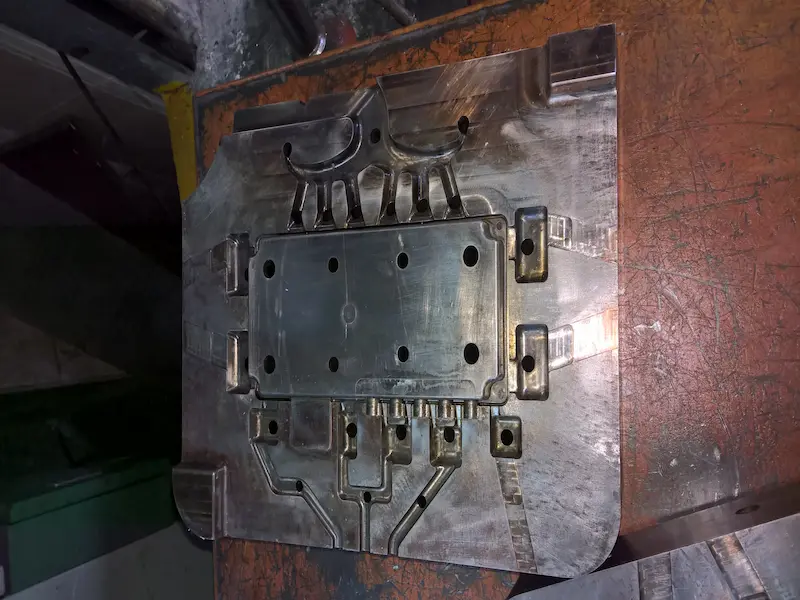
Injection mold manufacturing includes multiple stages such as mold design, steel preparation, CNC machining, EDM, grinding, polishing, fitting, assembly, testing, and correction. The cost of standard mold components can also be high, especially for projects that require imported standards, hot runner systems, sliders, lifters, or special ejection structures. Because the process is complex and quality-sensitive, mold makers also need skilled labor and repeated inspections throughout production.
3. Mold Design and Manufacturing Are Technically Difficult
Injection mold design has very high technical requirements. Critical areas such as mold flow path design, gate location, cooling layout, venting, shrinkage compensation, and parting line strategy all affect whether the mold can run successfully. If the design is not properly validated at the beginning, trial molding may fail or reveal major issues such as short shots, warpage, sink marks, flash, or poor ejection. In some cases, mold modification is difficult and costly, and a new mold may even be required.
4. A Simple Plastic Part May Still Need a Complex Mold Solution
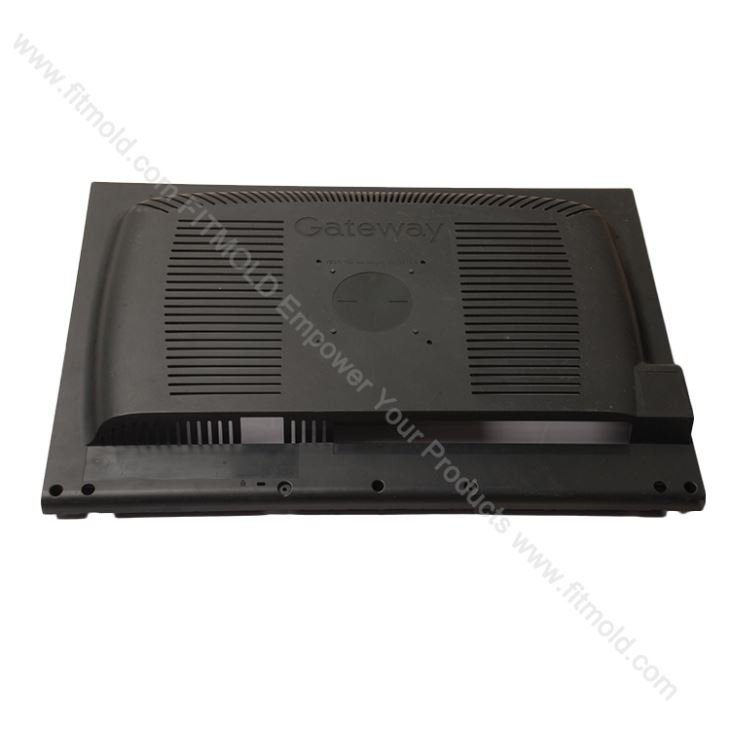
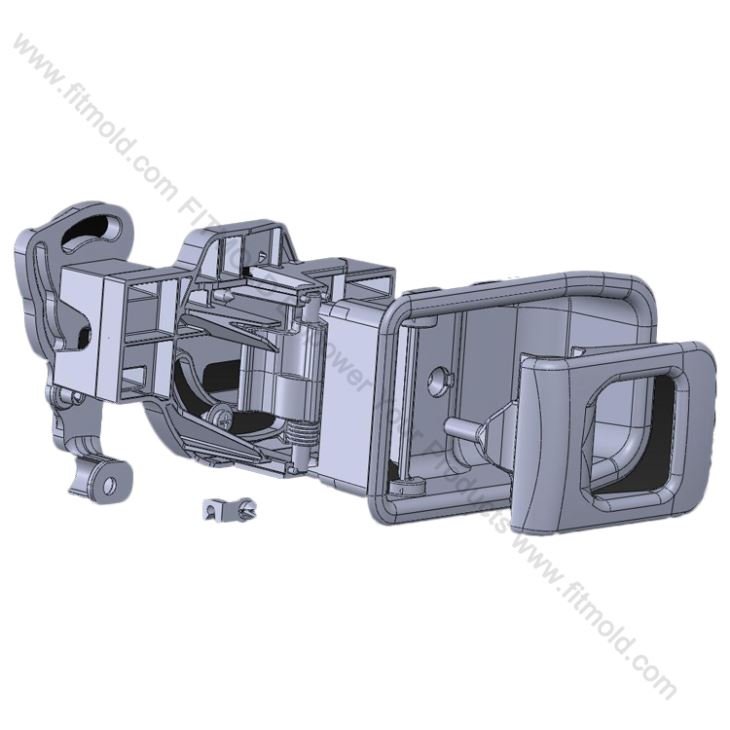
One reason customers are often surprised by mold cost is that the appearance of the plastic part does not always reflect the complexity of the tool. A part that looks simple may require multiple sliders, inserts, lifters, or even separate molds for different components or production stages. In some cases, two or three molds may be needed to complete the full product solution. This is why mold quotations can sometimes reach very high levels even for products that appear uncomplicated at first glance.
Why Mold Cost Should Be Evaluated from a Manufacturing Perspective
The true value of an injection mold is not only in the steel itself, but in the engineering, precision, validation work, and production reliability behind it. A well-built mold supports better part quality, lower defect rates, more stable cycle times, and longer service life. For this reason, mold cost should be evaluated based on total manufacturing performance rather than appearance alone.
Conclusion
Injection mold manufacturing is expensive because it requires high precision, complex processing steps, costly components, and strong engineering capability. What looks like a simple plastic part may still demand advanced mold design and significant technical effort to achieve stable and repeatable production.