
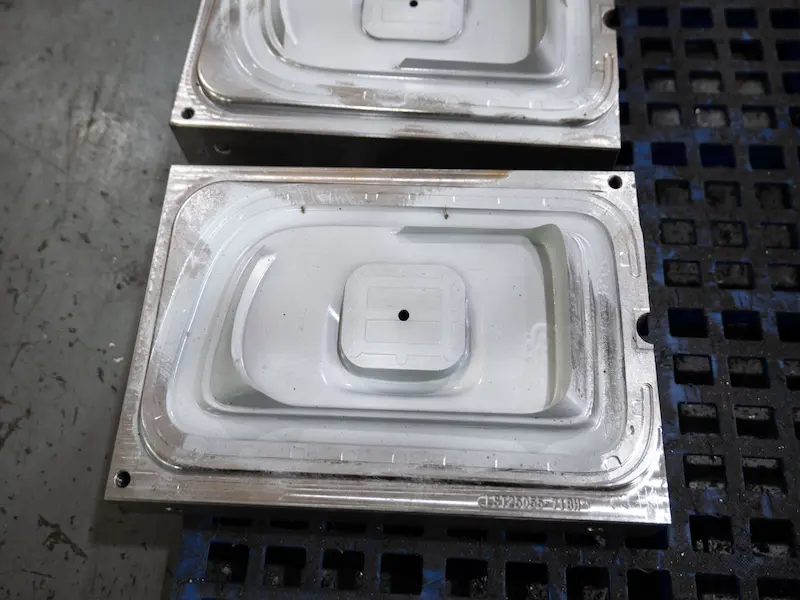
Mold Design Principles and Process for Efficient Manufacturing
Mold design is a critical stage in manufacturing because it directly affects product quality, production efficiency, mold life, and total project cost. Modern mold design increasingly relies on digital design tools to improve accuracy, shorten development cycles, and support more efficient manufacturing processes for injection molds, die-casting molds, and stamping dies.
A well-designed mold should provide accurate dimensions, smooth surfaces, a reasonable structure, high production efficiency, long service life, and cost-effective manufacturability.
What Is Mold Design?
Mold design refers to the digital and structural development of molds used for manufacturing molded or stamped parts. This includes cavity mold design, core and cavity layout, cold die structure, and functional systems such as guiding, positioning, ejection, and material flow control.
The goal of mold design is to create a tooling solution that meets product requirements while remaining practical, economical, and reliable in mass production.
Main Objectives of Mold Design
A successful mold design should meet several key objectives:
- Accurate dimensions and stable product quality
- Smooth mold surfaces and proper part appearance
- Reasonable structure for reliable operation
- High production efficiency and easy automation
- Convenient manufacturing and assembly
- Long mold life and controlled tooling cost
- Compatibility with process requirements and production conditions
General Mold Design Process
The general workflow of mold design usually includes the following stages:
- Initial project review
- Basic molded product drawing design
- Mold structure design
- Part drawing design
- Drawing inspection and verification
- Final drawing release
If the customer information is incomplete, the design team should communicate with the customer to collect all necessary data before proceeding. Complete and accurate input is essential for reliable mold development.
Key Checks During Mold Drawing Design
When preparing mold drawings, designers should verify the core and cavity detail table carefully and check whether any design section is missing. They should also confirm whether the part geometry is suitable for molding and whether the parting surface has been set correctly.
Careful drawing review helps reduce design errors, avoid machining problems, and improve mold assembly efficiency.
Important Factors in Mold Structure Design
The structure design and parameter selection of the mold should consider:
- Rigidity of the mold base and structural parts
- Guide system design and alignment accuracy
- Unloading or ejection mechanism layout
- Positioning method and locating accuracy
- Clearance design and fit conditions
- Convenient replacement of wear parts and consumable components
These factors directly influence mold strength, operating stability, maintenance convenience, and product consistency.
Flow System Considerations for Plastic and Die-Casting Molds
For plastic molds and die-casting molds, the gating system and material flow behavior must be carefully evaluated. Designers need to consider the flow state of molten plastic or molten metal, as well as the gate location, cavity entry direction, and filling orientation.
Proper flow system design helps reduce defects, improve filling balance, and support stable production.
Material and Performance Requirements
Molds should be designed with materials and structures that support wear resistance, corrosion resistance, high-temperature resistance, good toughness, and fatigue fracture resistance. These performance requirements are especially important for molds used in demanding or high-cycle production environments.
Practical Design Recommendations
During mold design, flat surfaces should be used as much as possible because they are easier to machine and help avoid unnecessary manufacturing difficulty. The ejector area should also be made as large as practical, since small ejector holes are more difficult to machine and may reduce processing efficiency.
Conclusion
Good mold design combines digital development tools, sound structural planning, correct parameter selection, and practical manufacturability considerations. By optimizing parting surfaces, ejection systems, guide mechanisms, material flow, and replaceable wear parts, manufacturers can improve mold quality, shorten lead times, and reduce long-term production costs.
A well-engineered mold design is the foundation for reliable and economical manufacturing.