
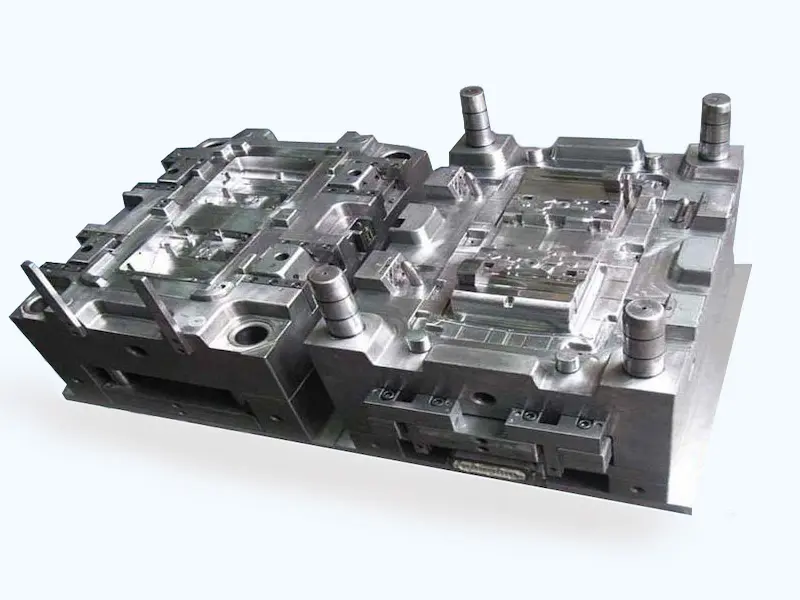
Injection Mold Maintenance Tips for Hot Runners, Ejectors, and Cooling Systems
Regular mold maintenance is essential for stable injection molding production, longer mold life, and reduced risk of unexpected downtime. The maintenance schedule for each mold depends on production cycles, part complexity, and mold operating conditions. In high-volume production, preventive maintenance helps protect hot runners, heaters, guide components, ejectors, and cooling channels from wear, blockage, and damage.
1. Check for Rust or Moisture Around Hot Runner Vent Areas
If rust or moisture appears near hot runner vent holes or surrounding areas, it may indicate internal condensation or a leaking water line inside the mold. Moisture around heating components can cause dangerous short circuits and heater failure.
This issue is more likely to occur when the mold is not continuously running and is shut down overnight, on weekends, or during long idle periods. Regular inspection of vent areas helps identify moisture problems before they lead to electrical damage.
2. Do Not Clean the Hot Nozzle Improperly
Operators should never attempt to remove or clean material at the gate area unless they clearly understand the structure of the hot runner tip. Small visible metal parts near the nozzle may be part of the hot runner assembly rather than contamination.
Improper cleaning can damage the hot nozzle tip and cause serious molding issues. Before performing any maintenance in this area, confirm the hot runner tip design and ensure operators are trained to recognize the nozzle structure correctly.
3. Lubricate Moving Components Regularly
Guide posts, guide bushes, ejector systems, and other moving mold components require regular lubrication to reduce friction and wear. For molds used in continuous production, lubrication checks should be performed routinely, such as once a week.
Planned maintenance at the end of the year or during scheduled shutdowns is also a good time to carry out full lubrication service for all key moving parts.
4. Verify Heater Resistance
Heater resistance should be measured before a mold enters production and checked again during routine maintenance. Comparing the current resistance value with the original reference helps identify performance degradation.
If the heater resistance changes by approximately ±10% from its original value, heater replacement should be considered to prevent unexpected failure during production. If no original data is available, the current value should be recorded for future reference.
5. Inspect Wear Between Guide Posts and Guide Bushes
Guide posts and guide bushes should be checked for scratches, scoring, or uneven wear marks. These signs usually indicate poor lubrication or long-term mechanical wear.
If the wear is minor, proper lubrication may help extend service life. If the wear is severe, the worn parts should be replaced. Excessive wear can lead to poor alignment between the cavity and core, which may result in inconsistent wall thickness or dimensional defects in molded parts.
6. Check Cooling Water Flow
The mold cooling system should be inspected regularly by checking the water flow from each outlet. If the discharged water is discolored, rusty, or weak, it may indicate corrosion or blockage inside the cooling channels.
Blocked or partially restricted water lines reduce cooling efficiency and can negatively affect cycle time and part quality. Cleaning the water channels and improving plant water treatment can help prevent future rust and scale buildup.
7. Clean and Lubricate Ejector Pins
Ejector pins can accumulate gas residue, film deposits, and molding contaminants during long-term production. Dirty ejector pins may cause poor ejection, galling, or even pin breakage.
It is recommended to clean ejector pins every 6 to 12 months using an appropriate mold cleaning agent. After cleaning, apply a suitable lubricant to reduce friction and protect the ejector system during operation.
8. Inspect the Hot Nozzle Radius for Cracks
Cracks around the radius of the hot nozzle may be caused by hardened plastic residue trapped in the nozzle area or by misalignment between the machine and the mold centerline.
If a fracture is found, both material buildup and alignment issues should be investigated. Severe damage may cause plastic leakage between the sprue bushing and the hot nozzle interface, leading to molding defects and equipment risk. In such cases, the sprue bushing or damaged component should be replaced promptly.
9. Preventive Maintenance Improves Mold Reliability
Regular inspection and preventive maintenance help reduce mold failure, improve production stability, and extend the service life of critical mold components. By monitoring hot runners, heaters, guide systems, cooling lines, and ejector assemblies, mold users can detect potential issues early and avoid costly downtime in injection molding production.