
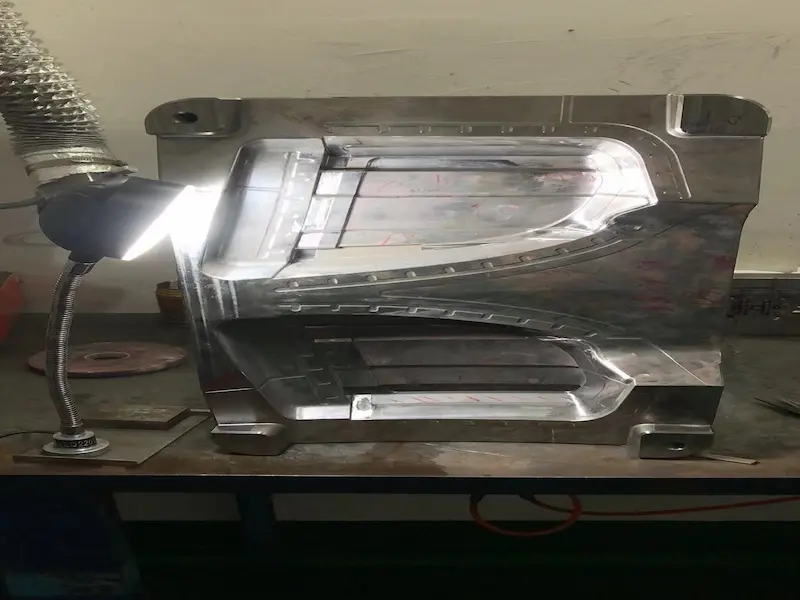
Common Causes of Stamping Die Damage and How to Prevent Them
Stamping dies can suffer damage for many reasons, including poor material selection, improper heat treatment, weak structural design, incorrect installation, and poor production management. Understanding these common causes can help manufacturers improve die life, reduce downtime, and maintain stable production quality.
1. Improper Die Material Selection and Heat Treatment
The material used for the stamping die must match the working conditions of the product and production process. If the selected material does not have sufficient hardness, wear resistance, or toughness, the die may fail prematurely.
Heat treatment also has a major influence on die performance. Excessive quenching temperature, unreasonable quenching time, improper cooling method, insufficient tempering, or incorrect tempering temperature can all reduce die strength and increase the risk of cracking, deformation, or early wear.
Even a well-designed die can fail quickly if the heat treatment process is poorly controlled. Humans continue to prove that even steel can be ruined with enough enthusiasm and bad settings.
2. Poor Structural Design of the Die
If the blanking hole is too small or not deep enough, scrap material can become trapped and block the discharge slot. This may damage the stripper plate and other die components.
Spring force must also be properly designed. If the spring force is too low, or if spring heights are inconsistent, the spring may break or cause the stripper plate to tilt. This can lead to overlapping punching, unstable operation, and part damage.
Improper punch design, insufficient punch strength, or weak screw fastening can also cause the punch to loosen, fall, or break during operation.
3. Incorrect Installation and Setup During Production
Stamping die damage can also occur if the die is not installed correctly. Common issues include incorrect positioning, wrong orientation, loose bolts, insufficient guide column lubrication, or improper adjustment of working height.
If the working height is set too low, the die may experience excessive load or interference during operation.
Problems with the feeding equipment or abnormal press operation can also create excessive force, misalignment, or repeated impacts that damage the die.
4. Failure to Remove Foreign Material and Scrap
Foreign objects, trapped scrap, overlapping workpieces, or blocked waste material can seriously damage the die if not removed in time.
If production continues while these problems remain inside the die, components such as the stripper plate, punch, lower die plate, and guide post can become damaged.
Routine inspection and timely cleaning are essential to prevent these problems from causing expensive downtime or tool failure.
5. Preventive Measures for Longer Die Life
To improve stamping die durability and reduce unexpected failures, manufacturers should focus on the following:
- Select suitable die materials based on production conditions
- Control heat treatment processes carefully
- Design proper blanking holes, springs, punches, and fastening systems
- Install and align the die correctly before production
- Lubricate guide columns and moving parts regularly
- Inspect feeding equipment and press condition frequently
- Remove trapped scrap, foreign objects, and waste material immediately
Conclusion
Stamping die damage is usually caused by a combination of material, design, setup, and maintenance problems. By improving heat treatment, structural design, installation accuracy, and daily inspection practices, manufacturers can significantly extend die life and improve production stability.