Recycled Plastic Processing Methods for LDPE, PP, PET, ABS, PC, and PVC
Plastic recycling plays an important role in reducing material waste, lowering production costs, and supporting sustainable manufacturing. Different plastic materials require different recycling processes because of their unique physical properties, contamination risks, and end-use requirements.
Common recycled plastics include LDPE, PP, PET, ABS, PC, and PVC. Each material follows a different process for sorting, cleaning, drying, granulation, and reuse.
1. Recycled LDPE Process
LDPE, or low-density polyethylene, is commonly used in plastic films such as woven bag liners, food packaging films, greenhouse films, and shopping bags.
The main recycling process for LDPE includes:
- Sorting materials by color and film type
- Crushing and washing with water
- Drying to remove moisture
- Granulating through an extruder
- Cold-water pelletizing
High-quality recycled LDPE can be reused for film blowing or injection molding, depending on the filtration level and material cleanliness.
2. Recycled PP Process
Polypropylene is commonly recovered from plastic chairs, buckets, woven bags, packaging straps, storage containers, and household products.
The recycling process generally includes:
- Separating different colors
- Crushing and washing
- Drying the material
- Adding pigments or additives if needed
- Extrusion and pelletizing
During PP granulation, temperature control is very important because excessive heat can make the recycled material brittle.
3. Recycled PET Process
PET, or polyethylene terephthalate, is widely used for beverage bottles, food packaging, cosmetic bottles, and consumer packaging.
The recycling process for PET usually involves:
- Separating bottles from caps and labels
- Crushing and washing the bottle flakes
- Steam cleaning with caustic soda to remove grease and contaminants
- Drying the flakes thoroughly
- Further processing through spinning, stretching, and reshaping
Clean PET flakes can be reused for packaging, textile fibers, or other secondary plastic products.
4. Recycled ABS Process
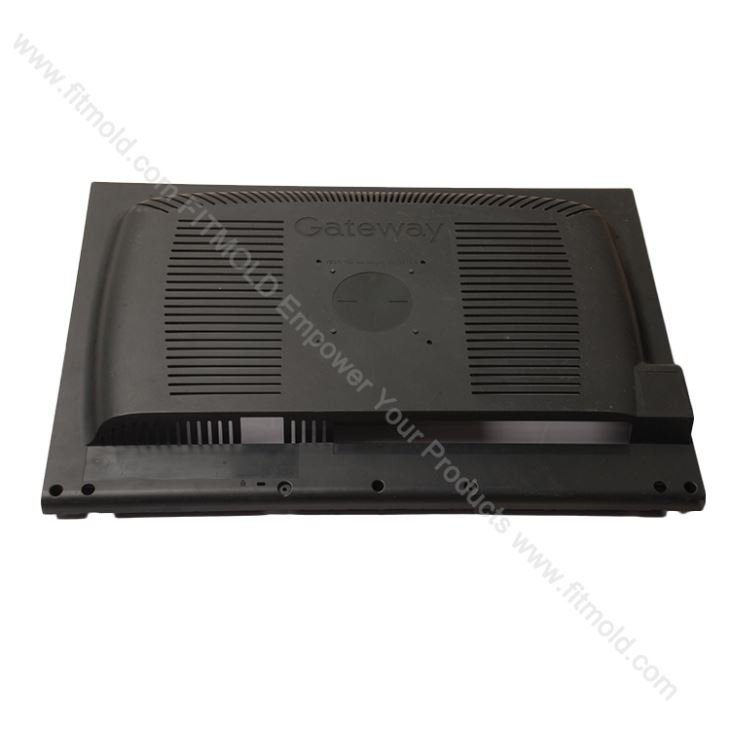
ABS plastic is commonly found in electronic housings, TV cases, computer cases, automotive panels, and decorative parts.
The ABS recycling process may include:
- Sorting materials by color, coating, painting, or plating condition
- Chemical treatment to remove paint or plating
- Washing and drying
- Adding colorants or additives
- Extrusion and filtration during pelletizing
Because ABS parts often contain surface coatings, careful material separation is essential for maintaining recycled material quality.
5. Recycled PC Process
Polycarbonate is widely used in automotive lighting, optical products, telecommunication equipment, discs, and transparent engineering components.
The PC recycling process generally includes:
- Separating transparent and colored materials
- Separating coated and modified grades
- Cleaning and drying
- Removing surface coatings if necessary
- Extrusion and pelletizing
Because PC can yellow and degrade after repeated processing, recycled PC should not be reprocessed too many times.
6. Recycled PVC Hard Material Process
Rigid PVC materials are commonly recovered from pipes, window profiles, decorative boards, valves, and construction materials.
The recycling process includes:
- Separating colors such as white, gray, and black
- Crushing and washing
- Drying to avoid contamination
- Mixing with pigments or additives
- Extrusion, cooling, and bagging
PVC should be processed separately from PP and PE materials to avoid contamination and quality problems.
Conclusion
Different recycled plastics require different handling methods to maintain quality and performance. Proper sorting, cleaning, drying, and pelletizing are essential for successful recycling and reuse.
By following the correct process for LDPE, PP, PET, ABS, PC, and PVC, manufacturers can reduce waste, lower material costs, and support more sustainable plastic production.