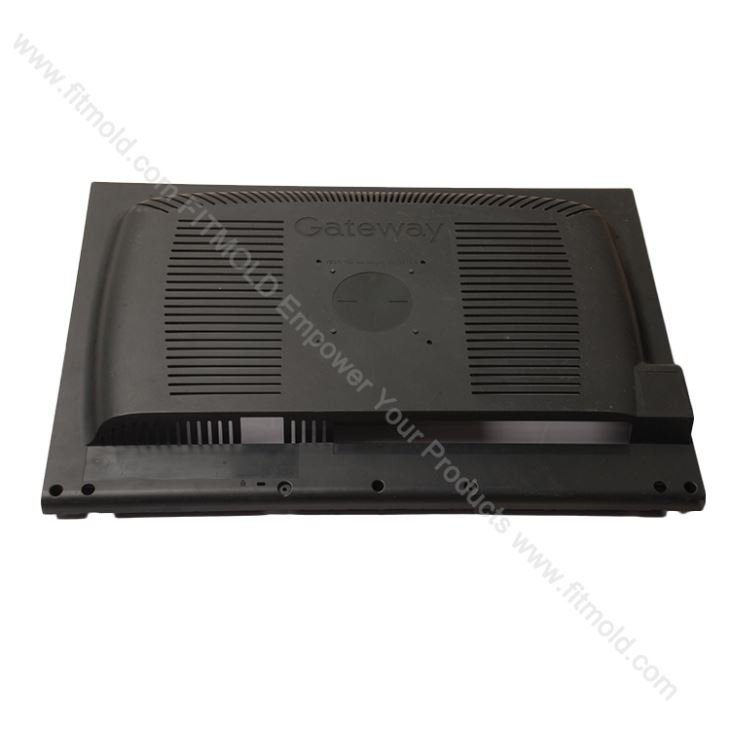
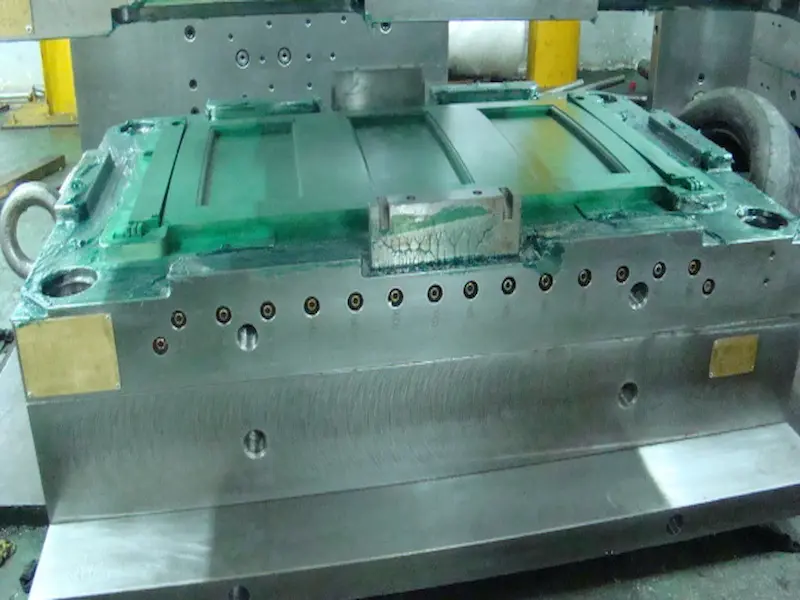
Gas-Assisted Injection Molding Process and Main System Types
Gas-assisted injection molding is a specialized molding technology that uses an inert gas, usually nitrogen, to create hollow sections inside plastic parts while maintaining an intact outer surface. By introducing gas into the molten plastic through a controlled pressure system, manufacturers can reduce material usage, improve dimensional stability, and produce thicker parts with lower risk of sink marks.
How Gas-Assisted Injection Molding Works
Gas-assisted injection molding can be regarded as a variation of hollow molding technology. In this process, a carefully controlled amount of molten plastic is first injected into the mold cavity. This stage is often referred to as short-shot or under-injection molding because the cavity is not completely filled by plastic alone.
After the molten plastic enters the cavity, high-pressure nitrogen is injected into the melt. The gas moves in the direction of least resistance and penetrates the hotter, lower-viscosity material in the center of the plastic flow.
Because the plastic layer near the mold wall cools quickly and has higher surface viscosity, while the center section remains hotter and more fluid, the gas tends to push through the central core of the part. This creates an internal hollow channel while preserving the outer appearance of the product.
As the gas advances, it pushes the remaining molten plastic toward the end of the cavity until the mold is fully packed. During the cooling stage, the compressed gas continues to apply internal pressure, helping compensate for shrinkage. After the part is cooled and solidified, the gas is released and the product is ejected from the mold.
Main Advantages of Gas-Assisted Injection Molding
- Creates hollow sections inside thick plastic parts while maintaining a solid outer surface.
- Reduces sink marks and shrinkage defects.
- Improves dimensional stability.
- Reduces material consumption and part weight.
- Helps mold thicker sections more effectively.
Two Main Types of Gas-Assisted Injection Molding Methods
1. Sealed Injection Gas Method
The sealed injection gas method injects gas directly into the mold cavity to produce a hollow plastic part. This method does not require a live valve. Instead, a gas-assisted nozzle is installed in the mold through relatively simple mold modifications.
Depending on product design, gas can be introduced at one or multiple positions on the same mold. This provides good flexibility for product development and helps optimize gas penetration according to part geometry and performance requirements.
2. In-Gas Nozzle Method
The in-gas nozzle method uses a special closed gas injection nozzle installed directly on the injection molding machine. In this configuration, the gas injection function is integrated into the molding system through the machine-side nozzle rather than only through mold-side gas entry points.
Conclusion
Gas-assisted injection molding is an effective process for manufacturing hollow plastic parts with high surface quality and improved structural efficiency. By injecting nitrogen into the molten plastic during molding, the process forms an internal gas channel that reduces material use while maintaining part integrity.
The two main system types, sealed injection gas and in-gas nozzle, offer different setup methods depending on mold design and machine configuration. With proper process control, gas-assisted injection molding can improve product quality, reduce defects, and support more efficient plastic part production.