Skip to content

Causes of Warpage and Deformation in Injection Molded Parts
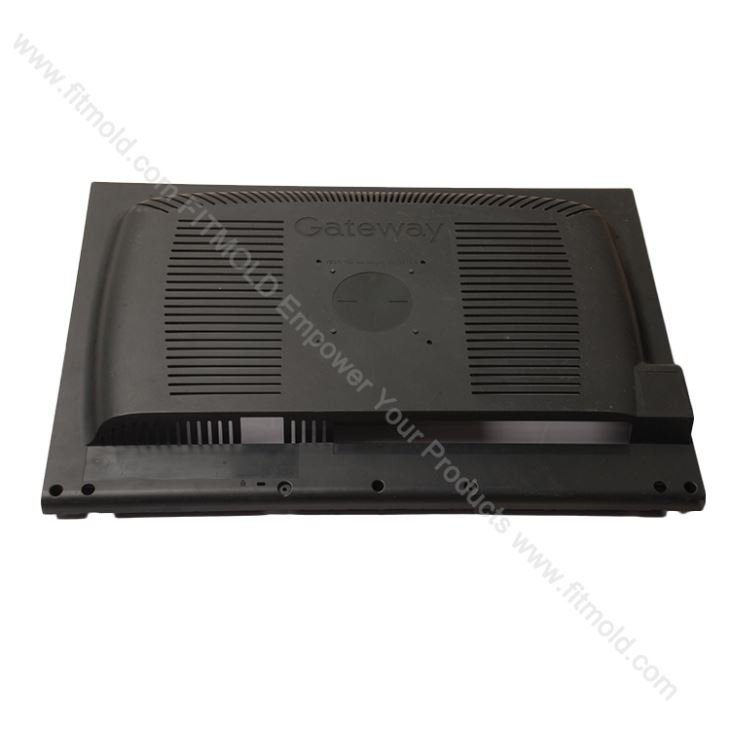
Warpage, bending, and twisting in injection molded parts are usually caused by uneven shrinkage and internal stress. In many cases, shrinkage in the flow direction is greater than shrinkage in the transverse direction, which causes the molded part to deform after cooling and ejection.
Because internal stress is often locked into the part during molding, warpage is not only a processing issue but also closely related to mold design, material behavior, and cooling balance. To reduce deformation effectively, manufacturers must control all three factors together.
1. Mold Design Factors
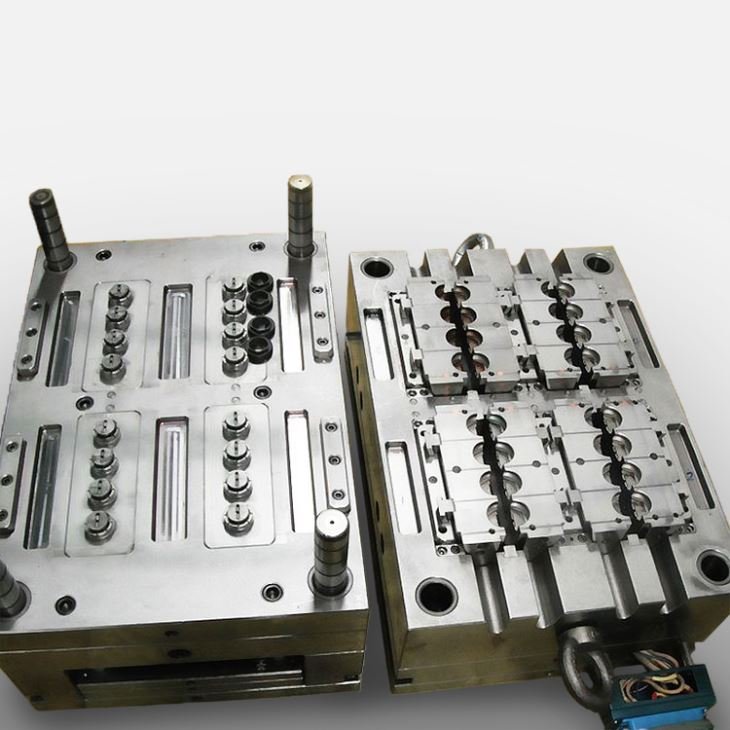
Mold design plays a major role in determining whether a part is likely to warp. If the wall thickness is uneven, shrinkage will also be uneven, which increases the risk of bending and distortion.
The cooling system should be designed so that all areas of the mold cavity cool as uniformly as possible. The gating and runner system should also promote balanced and symmetrical filling to reduce differences in flow direction, density, pressure, and temperature inside the cavity.
Rounded corners and smooth transition areas are helpful because they reduce stress concentration and improve material flow. Proper draft angles and good mold surface polishing can also improve demolding and reduce deformation during ejection.
The ejection system should be balanced to avoid uneven pushing force on the molded part. Good venting is also important because trapped gas can disturb filling and create local stress.
In some cases, increasing wall thickness slightly, adding ribs, or strengthening the part structure can improve resistance to warpage. Mold rigidity is also important. If the mold itself lacks sufficient strength, dimensional stability during molding may be affected.
2. Material Factors
Plastic material selection also affects warpage behavior. Semi-crystalline plastics are generally more likely to warp than amorphous plastics because they usually have higher and less uniform shrinkage during cooling.
For crystalline materials, the cooling rate affects crystallinity, and crystallinity affects shrinkage. By adjusting cooling conditions, it is sometimes possible to reduce shrinkage differences and improve dimensional stability.
3. Processing Factors
Improper molding parameters can increase internal stress and make warpage worse. Excessive injection pressure, overly long holding time, low melt temperature, or very fast injection speed can all increase molecular orientation and internal stress inside the part.
If mold temperature is too high or cooling time is too short, the part may still be too hot and soft when ejected, which can lead to deformation during demolding.
Reducing screw speed and back pressure can sometimes help lower internal stress during plasticizing, as long as stable melt preparation is still maintained.
For parts that are especially easy to warp, it may also be necessary to use controlled post-mold shaping or delayed demolding methods to improve the final shape stability.
How to Reduce Warpage in Injection Molded Parts
To reduce warpage effectively, manufacturers should start with good mold design, including uniform wall thickness, balanced cooling, proper gating, smooth transitions, and stable ejection. Material shrinkage characteristics should also be considered during part design and resin selection.
At the same time, molding conditions must be optimized to minimize internal stress and ensure uniform cooling. In practical production, warpage is usually the result of several factors acting together, so solving it often requires both mold improvement and process adjustment.