Skip to content

Causes and Solutions for Color Variation in Masterbatch Injection Molding
Color variation in injection molded parts is often caused by uneven dispersion of masterbatch in the plastic melt. Although masterbatch coloring offers better color stability, cleaner handling, and improved color consistency compared with dry pigment powder or dyeing methods, poor distribution during processing can still lead to visible regional color differences in the finished product.
Why Color Variation Happens with Masterbatch
The main issue is not the color strength of the masterbatch itself, but the uniformity of dispersion inside the base resin. If the masterbatch does not melt and mix evenly during plasticizing, the molded part may show streaks, shade differences, or localized color inconsistency.
This problem usually occurs when the melt temperature is too low, the mixing effect inside the barrel is insufficient, or the gating system does not help create stable melt flow and blending.
1. Increase the Feeding Section Temperature
One effective method is to increase the temperature of the feeding section, especially near the rear end of the feeding zone. This helps bring the material temperature close to or slightly above the start of the melting section.
When the masterbatch begins melting earlier, it has more time to blend uniformly with the base plastic, which improves color distribution and reduces visible color difference in the molded part.
2. Increase Back Pressure for Better Mixing
When screw speed remains constant, increasing back pressure can improve melt mixing inside the barrel. Higher back pressure increases both melt temperature and shear action, which helps the masterbatch disperse more evenly throughout the plastic material.
Better shear mixing usually leads to more uniform color and reduces the risk of streaks or localized dark and light areas.
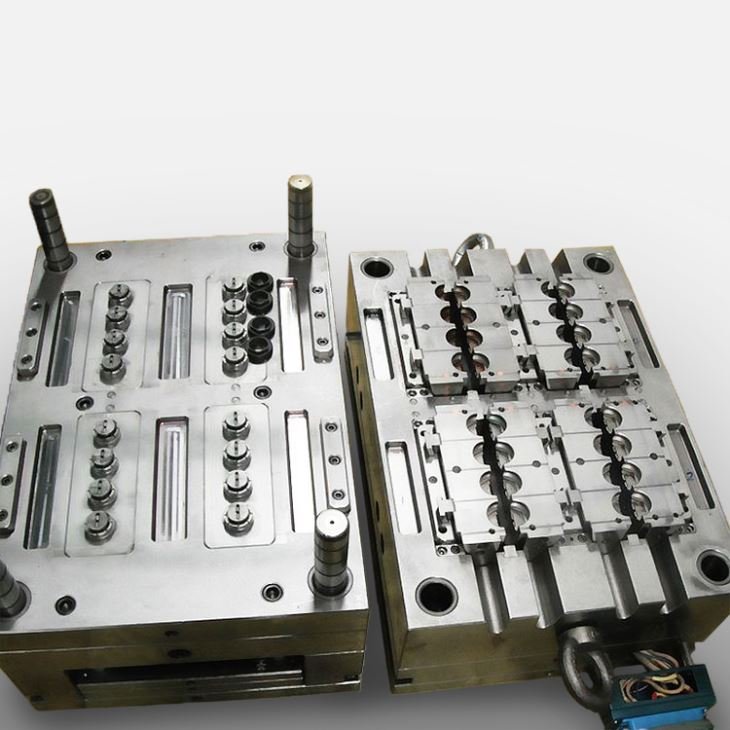
3. Improve the Mold Gating System
Mold design can also influence color consistency. If the gate is too wide, the melt may flow through with insufficient turbulence, which reduces mixing effectiveness and may lead to poor color uniformity.
In some cases, narrowing the gate or optimizing the runner and gating design can improve melt flow behavior, increase mixing action as the material enters the cavity, and help produce a more consistent color appearance.
How to Reduce Masterbatch Color Difference
To reduce color variation in injection molded parts, manufacturers should focus on improving masterbatch melting, increasing melt mixing, and optimizing the gating design. Stable processing temperature, suitable back pressure, and proper mold flow conditions all help create better color uniformity in production.
When these factors are controlled correctly, masterbatch coloring can provide reliable appearance quality, cleaner processing, and more consistent finished parts in mass production.