Skip to content

Vacuum Forming Process for Plastic Blister Packaging
Vacuum forming, also known as blister forming, is a common manufacturing process used to produce plastic packaging trays, clamshells, protective covers, and display packaging. The process uses heat and vacuum pressure to shape a softened plastic sheet over a mold surface. It is widely used because of its low tooling cost, fast production cycle, and suitability for both simple and complex packaging shapes.
1. Mold Making for Plastic Blister Products
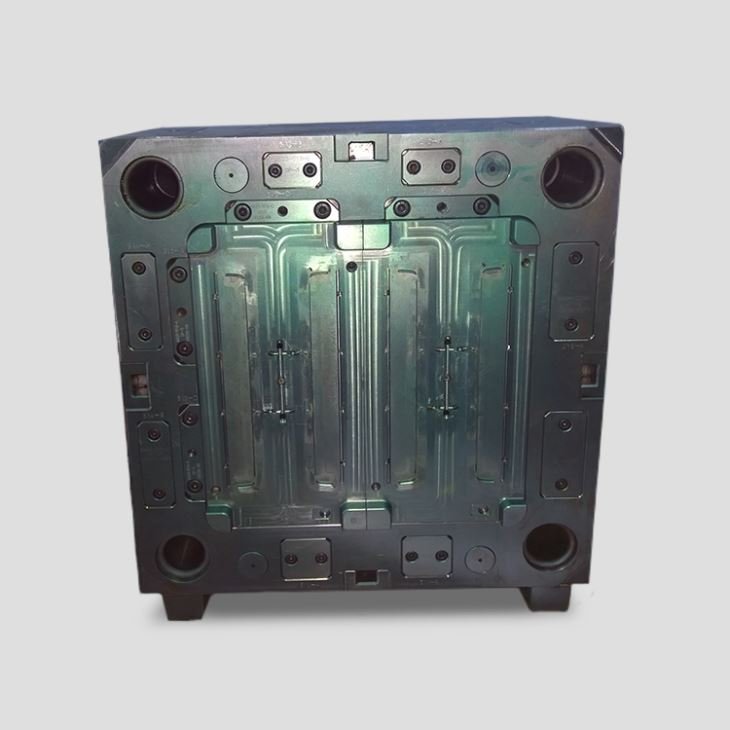
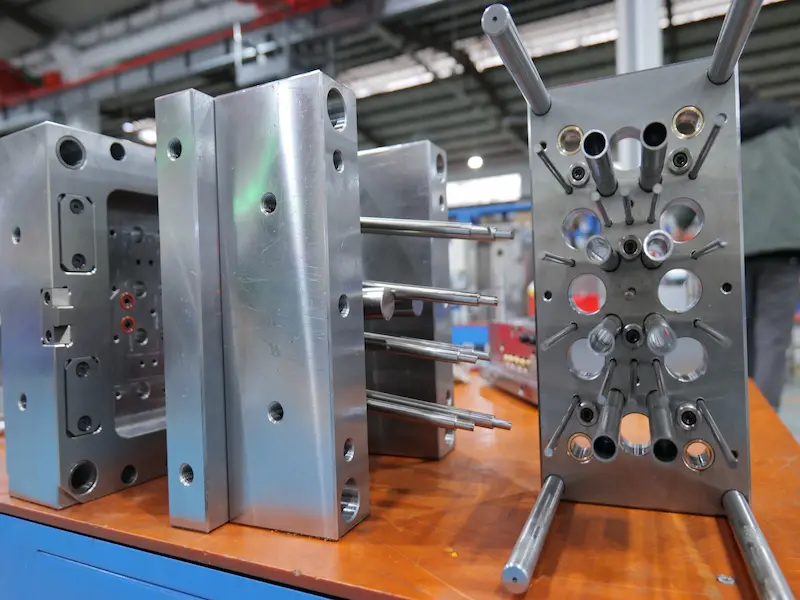
The first step in the vacuum forming process is mold manufacturing. The mold is typically produced according to the customer’s drawings, specifications, or product samples. For many blister packaging applications, plaster molds are commonly used because they are low cost and easy to produce. However, wood-carved molds and metal molds can also be used depending on the production volume and product requirements.
After the plaster mold is completed, it must be dried naturally or fully dried in controlled conditions. Once dry, small vent holes are drilled into recessed areas of the mold that do not affect the appearance of the final product. These vent holes help remove trapped air during the vacuum forming process.
For packaging products such as trays or blister packs, additional vent holes may also be drilled around the mold edges. During production, these holes allow the vacuum system to remove air more effectively so the softened plastic sheet can fully conform to the mold surface.
To improve durability, plaster molds are often treated with a hardening process. A common method is to soak the mold in a concentrated alum solution and then dry it again to strengthen the surface.
2. Heating the Plastic Sheet
After the mold is fully prepared and dried, it is placed onto the upper plate of the vacuum chamber. A plastic sheet of suitable size is then selected based on the mold dimensions.
The plastic sheet is fixed inside a holding frame or wooden clamping frame and heated in a temperature-controlled oven. The sheet is heated until it becomes soft and flexible enough to be formed over the mold surface.
3. Vacuum Forming the Plastic Part
Once the plastic sheet reaches the correct forming temperature, it is moved together with the holding frame into the vacuum chamber. The vacuum system is then activated to remove the air between the mold and the heated plastic sheet.
As the air is extracted, the softened plastic sheet is pulled tightly against the mold surface, creating the desired shape. After the plastic cools, it retains the shape of the mold and forms the finished blister package or tray.
4. Trimming and Finishing
After forming, the excess material around the edges of the blister product is trimmed away. Additional finishing steps may include hole punching, edge cutting, folding, or surface cleaning depending on the packaging design.
Once trimming and finishing are completed, the blister packaging products are ready for final packing, shipping, or sale.
Advantages of Vacuum Forming for Packaging
- Low tooling cost compared with injection molding
- Short production lead time
- Suitable for transparent packaging and display trays
- Can produce large plastic parts with relatively simple molds
- Flexible material choices for different packaging applications
Conclusion
Vacuum forming is an efficient and economical process for manufacturing plastic blister packaging products. By combining a properly designed mold, controlled heating, vacuum forming, and post-processing, manufacturers can produce a wide variety of packaging solutions for consumer products, electronics, medical devices, and industrial components.