Skip to content

Hot Runner Mold Systems: Advantages, Limitations, and Application Basics
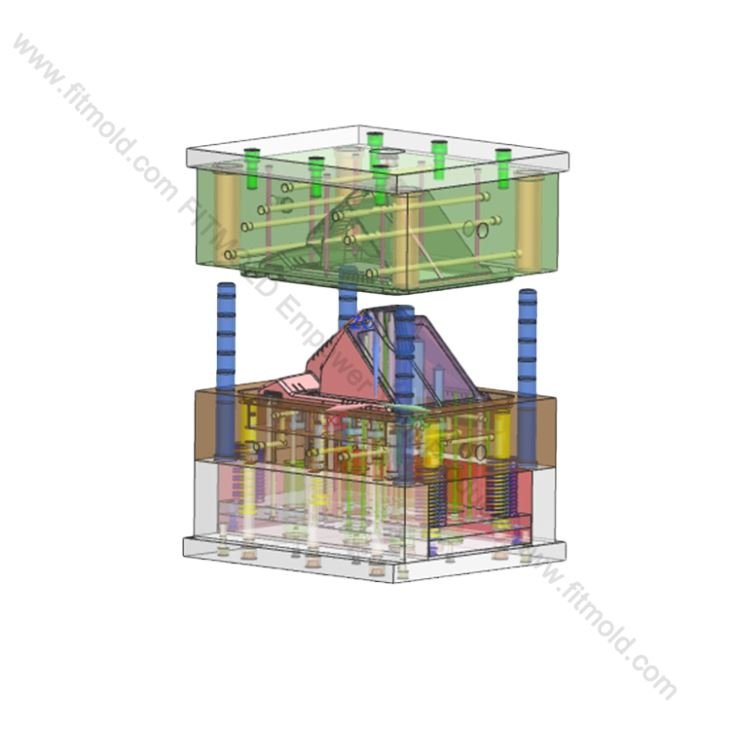
A hot runner mold system is an injection molding solution designed to keep molten plastic at a controlled temperature as it flows from the machine nozzle into the mold cavities. Unlike conventional cold runner systems, hot runner molds reduce or eliminate runner waste and support more efficient, consistent production. A typical hot runner system mainly consists of a hot sprue bushing, a hot runner manifold plate, and a temperature control box.
In practical mold design, hot runner systems are commonly divided into single-point hot gate systems and multi-point hot gate systems. A single-point hot gate injects molten plastic directly into the cavity through one hot sprue bushing, making it suitable for single-cavity and single-gate molds. A multi-point hot gate system distributes molten material through a hot runner manifold and then feeds multiple gate locations, making it suitable for single-cavity multi-gate molds or multi-cavity injection molds.
How a Hot Runner System Works
The main purpose of a hot runner system is to maintain plastic in a molten state throughout the runner path. By controlling temperature inside the sprue and manifold, the system prevents premature solidification of the resin before it reaches the cavity. This helps reduce flow resistance, improves filling consistency, and minimizes material waste compared with traditional cold runner molds.
Advantages of Hot Runner Systems
1. Reduced Runner Waste and Less Post-Processing
One of the biggest advantages of a hot runner mold is that it can eliminate cold runner scrap. Since there is little or no solidified runner material to remove, post-processing work is reduced and the molding process can be more easily automated. This saves labor time and improves production efficiency.
2. Lower Pressure Loss During Injection
Because the hot runner maintains a temperature close to the injection molding machine nozzle, the plastic remains molten while moving through the runner system. This reduces surface solidification in the runner and minimizes injection pressure loss. As a result, the cavity can often be filled more effectively and with better flow control.
3. Improved Part Quality and Material Savings
In cold runner molding, regrinding and reusing runner scrap may reduce material performance, especially for engineering plastics or appearance-sensitive products. A hot runner system reduces raw material waste and can lower overall product cost. In addition, the melt temperature and cavity pressure are often more uniform, which helps reduce internal stress in plastic parts and improve density consistency.
With proper design, hot runner molds can perform especially well for transparent parts, thin-wall parts, large plastic components, and products with higher appearance or dimensional requirements. In some cases, they also allow larger parts to be produced on relatively smaller molding machines by improving filling efficiency.
4. Standardized Components and Flexible Configuration
Many hot runner nozzles are designed as standardized and interchangeable components. They are available with different nozzle tip styles to match different product and gate requirements. Well-designed heating elements can provide more uniform heating and longer service life. Modern hot runner systems are typically supplied with matching manifold plates, controllers, and related accessories, making them convenient to use and stable in operation when properly engineered.
Limitations of Hot Runner Systems
1. Increased Mold Height
Because the hot runner manifold plate and related components must be integrated into the mold structure, the overall mold closing height increases. This means the mold may become taller and more complex than a comparable cold runner mold.
2. Heat Control Challenges
Thermal management is one of the key technical challenges in hot runner mold design. Heat loss from the runner system must be controlled carefully to maintain stable melt conditions. Poor heat control can affect filling balance, material performance, and dimensional consistency, so thermal design is a major consideration.
3. Thermal Expansion in Mold Design
Hot runner systems operate under continuous heating, so thermal expansion and contraction must be considered during mold design and assembly. If expansion is not properly managed, it can affect sealing performance, alignment, and long-term reliability of the hot runner system.
Conclusion
Hot runner mold systems offer important advantages in injection molding, including reduced material waste, lower pressure loss, improved automation, and better part consistency. They are widely used in single-cavity, multi-gate, and multi-cavity molds where productivity and material efficiency are important. However, hot runner molds also require careful attention to mold height, thermal control, and thermal expansion during design and manufacturing. When engineered correctly, a hot runner system can significantly improve the performance and efficiency of plastic injection molding projects.