Skip to content


Common Plastic Molding Processes and Their Applications
Plastic products can be manufactured through a variety of molding processes depending on the product structure, material type, dimensional requirements, production volume, and functional purpose. Different molding methods are suitable for different kinds of plastic parts, from precision injection molded components to hollow packaging containers, films, pipes, and structural foam products.
Understanding the differences between these processes is important when selecting a practical manufacturing solution for a new product. Below are some of the most common plastic molding methods used in industrial production and their typical applications.
1. Injection Molding
Injection molding is one of the most important and widely used plastic processing methods. In this process, the plastic material is first melted inside the heated barrel of an injection molding machine. The melt is then pushed by a reciprocating screw into the cavity of a closed mold, where it cools and forms the final product.
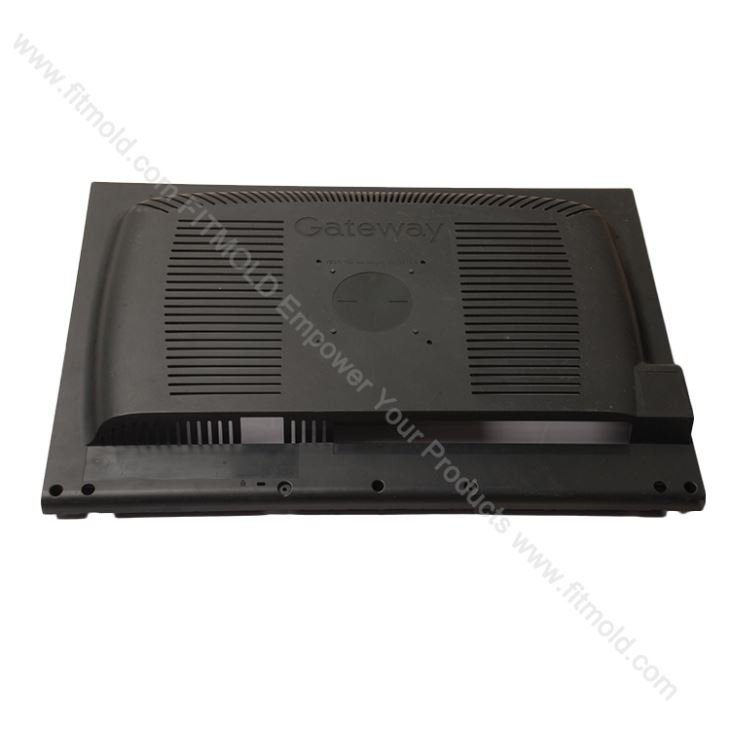
Injection molding is suitable for producing high-precision and high-quality plastic parts with high productivity. It can process a wide range of plastic materials and is widely used in automotive parts, electronic housings, household products, industrial components, medical products, and consumer goods. Because of its broad application range and large production output, injection molding remains one of the core manufacturing methods in the plastics industry.
2. Extrusion Molding
Extrusion molding is a continuous plastic forming process in which heated and pressurized plastic is forced through a die by an extruder. The material exits the die in a continuous profile and is then cooled and cut as needed.
This process is commonly used for sheet, pipe, monofilament, flat wire, film, wire coating, cable insulation, and various plastic profiles. Because extrusion offers continuous output and high productivity, it is one of the most important molding methods for large-volume plastic processing.
3. Foam Molding
Foam molding refers to a process in which a suitable foaming agent is added to the material in order to produce a cellular or porous plastic structure. Foamed plastic products generally offer advantages such as lower density, good specific strength, reduced raw material consumption, sound insulation, and thermal insulation.
Common foam materials include PVC, PE, and PS. Typical foam products include films, sheets, pipes, profiles, insulation materials, and packaging-related products. Foam molding can be divided into chemical foaming and physical foaming depending on how the foam structure is generated.
4. Injection Blow Molding
Injection blow molding is a blow molding method used mainly for making hollow plastic products. In this process, a bottomed preform or parison is first made by injection molding. It is then transferred to a blow mold, where compressed air is used to form the final hollow product.
This method is commonly used for packaging containers for daily necessities, cosmetics, pharmaceutical products, and food packaging. It is generally suitable for smaller containers, often with volumes below 1 liter. Common materials include polyethylene, polystyrene, and polyvinyl chloride, depending on the specific product requirements.
5. Extrusion Blow Molding
Extrusion blow molding is another hollow product molding method. Unlike injection blow molding, the parison is formed by extrusion rather than by injection molding. The extruded hot parison is captured inside the mold and then inflated with compressed air to form the hollow product.
This process is widely used for bottles, containers, tanks, drums, and other hollow plastic products where larger volume or different shape flexibility is required.
6. Stretch Blow Molding
Stretch blow molding is a process in which a preform produced by injection molding or extrusion is reheated to a suitable stretching temperature and then stretched before or during blowing. The stretching may be carried out longitudinally by a mandrel or similar mechanism, and then transversely by compressed air.
This process helps improve material orientation and can enhance strength, transparency, and dimensional performance in suitable products. Stretch blow molding is widely used for lightweight plastic bottles and packaging applications that require better mechanical performance and appearance.
7. Blow Molding for Hollow Plastic Products
Blow molding, also called hollow blow molding in many applications, refers to a process in which a hot thermoplastic parison or sheet is enclosed within a mold and inflated by fluid pressure, usually compressed air, to form a hollow product.
This method is widely used for producing plastic bottles, square or round containers, flat containers, drums, fuel tanks, pallets, double-wall box products, surfboards, seat backs, desks, and various automotive hollow parts such as spoilers, belt covers, instrument panels, and air conditioning ducts. With the development of materials and manufacturing requirements, blow molding has expanded from common household plastics into engineering plastic applications and remains one of the major processing methods in the plastics industry.
Basic Steps of the Blow Molding Process
- Melting the plastic material
- Forming the molten resin into a tubular parison or preform
- Sealing the parison inside the blow mold
- Inflating the parison inside the mold with compressed air
- Cooling the blow molded product
- Removing the product from the mold
- Trimming and finishing
How to Choose the Right Plastic Molding Process
The choice of molding process depends on factors such as product geometry, wall thickness, dimensional requirements, material selection, production quantity, and final application. Injection molding is often preferred for precision solid parts, extrusion for continuous profiles, foam molding for lightweight cellular structures, and blow molding for hollow products.
In practical product development, selecting the right molding method at an early stage helps improve manufacturability, reduce tooling risk, and support more stable production results.
Plastic Part Development Support from FITMOLD
FITMOLD supports custom plastic part development, mold manufacturing, and production planning for projects that require practical engineering evaluation and stable manufacturing solutions. Based on the product structure, material type, and production target, we help customers choose suitable tooling and processing approaches from design review to production.
If you are looking for a manufacturing partner for custom plastic parts and mold development, FITMOLD can support your project from concept to production.
Contact us: sales@fitmold.com