
Vacuum Casting Process, Types, and Advantages in Metal Casting
Vacuum casting is a casting process that uses negative pressure to improve mold stability and metal filling conditions during production. It is commonly used for parts that require better surface quality, higher casting density, and more reliable detail reproduction. In some applications, vacuum casting is especially suitable for small metal parts or products with intricate shapes.
This process combines physical molding principles with vacuum technology. In a typical setup, the mold surface and the back of the sand mold are sealed with a plastic film. A vacuum pump is then used to create negative pressure inside the mold system, forming a pressure difference between the inside and outside of the sand mold. This pressure difference helps compact the sand and maintain mold strength during casting.
How the Vacuum Casting Process Works
In vacuum casting, the molding sand is shaped and stabilized under vacuum conditions. After the mold is formed, the mold halves are assembled and clamped, and molten metal is poured into the cavity. Once the casting solidifies, the vacuum is released or the pumping process is stopped. The mold sand then loses its compacted state, making it easier to break apart and remove the finished casting.
Because vacuum helps maintain mold tightness and improve cavity stability, the process can produce castings with better dimensional consistency and improved surface quality compared with some conventional sand casting methods.
Main Types of Vacuum Casting
According to current industrial applications, vacuum casting can generally be divided into two main types: vacuum sealed molding, often called the V-process, and full vacuum casting, also known as the FV method.
The V-process uses plastic film and negative pressure to hold dry sand in shape without requiring traditional binders. This method is valued for cleaner molding conditions and improved casting quality. The FV method applies vacuum principles more directly during casting and mold handling to further improve mold integrity and casting performance.
Advantages of Vacuum Casting
1. Improved Mold Tightness and Casting Quality
One of the main advantages of vacuum casting is that moderate vacuum creates a tighter and more stable mold cavity. This helps improve casting quality, reduce certain defects, and support better detail reproduction.
2. Better Support for Defect Prevention
Vacuum casting can be combined with mold flow analysis and computer simulation to predict possible casting defects before production. This helps shorten development time, improve mold design efficiency, and reduce trial-and-error during manufacturing.
3. Easier Sand Removal After Solidification
After the metal solidifies, the vacuum can be released and the sand mold collapses more easily. This simplifies shakeout and can improve production efficiency in suitable casting applications.
Applications of Vacuum Casting
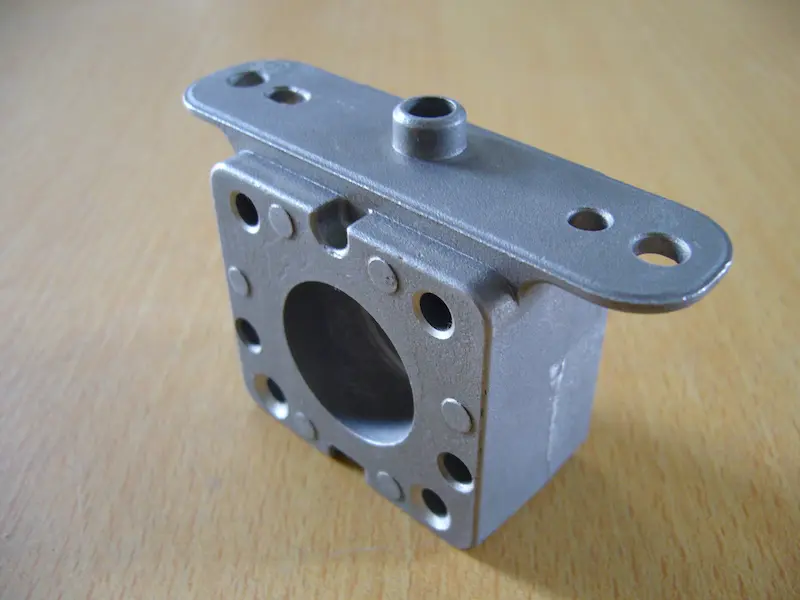
Vacuum casting is often used for castings that require relatively high surface quality, good dimensional stability, and better mold cavity integrity. It can be applied to small and detailed metal parts, decorative castings, and selected industrial components where casting quality is especially important.
Conclusion
Vacuum casting is an effective metal casting process that uses negative pressure to stabilize the mold, improve cavity tightness, and enhance casting quality. With the support of simulation analysis and controlled molding conditions, vacuum casting can help manufacturers produce more reliable and consistent cast parts while improving mold development efficiency.