
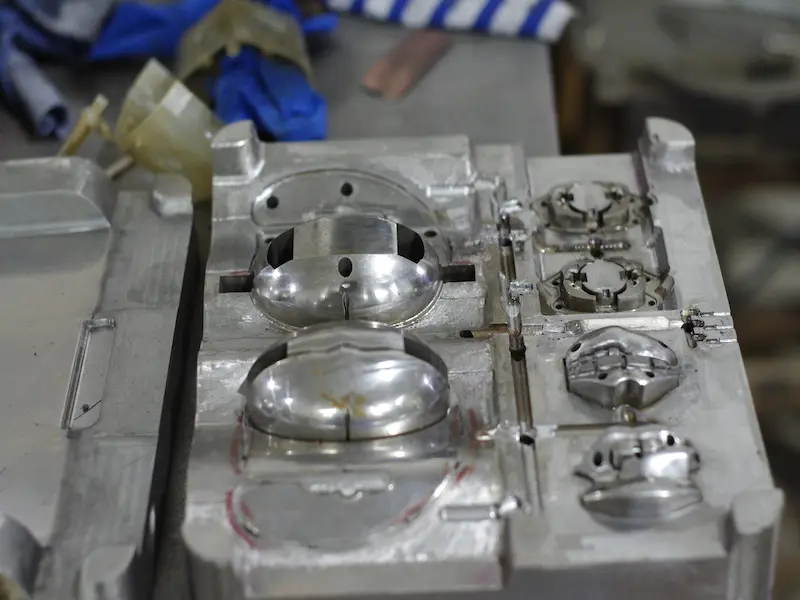
What Is Molding Pressure in Injection Molding and Why Does It Matter
Molding pressure is a key processing parameter in injection molding. It refers to the force used inside the injection molding machine to push molten plastic resin into the mold cavity. This pressure must be carefully controlled to ensure the mold fills properly and the final plastic part is formed with the required shape, size, and quality.
How Molding Pressure Works
During the injection molding process, plastic resin is heated until it melts and becomes flowable. The machine then injects the molten material into a steel or aluminum mold under pressure. The molding pressure needs to be high enough to drive the material through the runner system, gates, and cavity so the mold can fill completely.
Why Proper Pressure Is Important
If the molding pressure is too low, the mold may not fill fully, resulting in defects known as short shots. In this condition, the plastic part is incomplete because the molten material does not reach all areas of the cavity. Increasing the injection pressure can help solve this problem when poor filling is caused by insufficient force.
Once the mold cavity is filled, the process typically shifts from filling pressure to holding pressure. At this stage, the pressure is reduced and maintained at a controlled level while the plastic cools inside the mold. Holding pressure helps compensate for material shrinkage and supports dimensional stability until the gate freezes.
Molding Pressure and Part Quality
Correct pressure settings affect many aspects of part quality, including fill consistency, surface appearance, dimensional accuracy, and the reduction of molding defects. Pressure that is too high may lead to flash, excessive stress, or other quality problems, while pressure that is too low can produce incomplete filling or weak part definition. This is why pressure must be balanced with mold design, material flow properties, part geometry, and processing temperature.
The Final Stage of the Process
After the plastic has cooled sufficiently, the mold opens and the finished part is ejected from the injection molding machine. Stable pressure control throughout the filling and holding stages helps ensure the molded part can be produced consistently from cycle to cycle.
Conclusion
Molding pressure is essential in injection molding because it directly influences whether molten plastic can fill the mold correctly and maintain part quality during cooling. Proper pressure adjustment helps prevent short shots, supports better dimensional control, and improves overall molding consistency in production.