
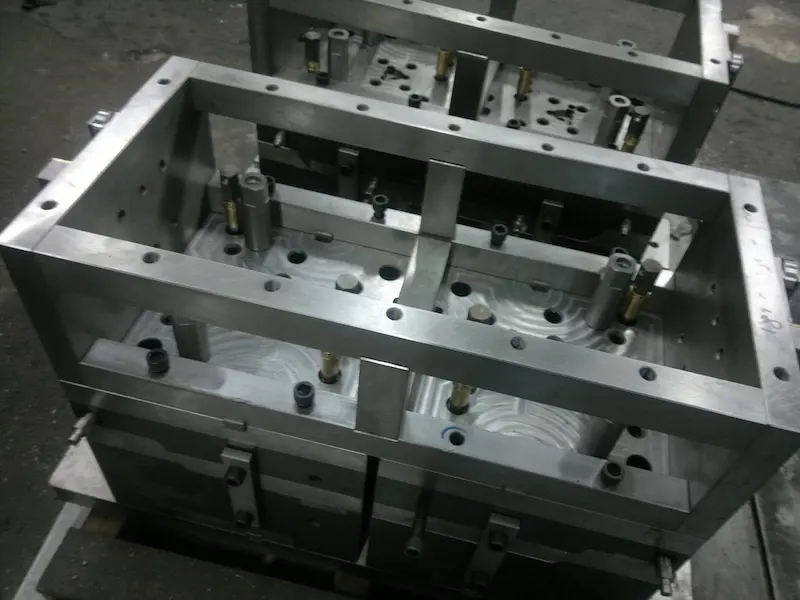
Common Causes of Stamping Die Damage and How to Prevent Them
Stamping die damage can come from material problems, heat treatment defects, poor mold design, incorrect installation, insufficient lubrication, equipment malfunction, or foreign matter entering the die during production. To improve die life and reduce downtime, these causes should be checked systematically before and during stamping operations.
1. Check Whether the Die Material and Heat Treatment Are Suitable
The material of the stamping die and its heat treatment process have a major influence on die life. If the quenching temperature is too high, the quenching method is improper, or the tempering cycle and temperature are not selected correctly, the die may crack, wear excessively, or fail early after entering production.
Poor heat treatment control can also reduce toughness and increase the risk of punch breakage, edge chipping, or overall die damage during stamping.
2. Review Die Structure and Design Details
Improper die structure can also cause damage. If the blanking hole is too shallow or too small, scrap may block the slot and damage the stripper plate or punch. If spring force is too small, or if spring heights are inconsistent, the stripper plate may tilt, which can lead to overlapping punches and damaged die components.
In addition, if the punch is not fixed correctly or the fastening screws are not strong enough, the punch may loosen, fall off, or break during operation.
3. Prevent Incorrect Installation and Setup
When the stamping die is installed incorrectly, many failure problems can appear quickly. Incorrect positioning, wrong part orientation, or loose bolts can all cause abnormal force during stamping.
If the press working height is adjusted too low, guide posts are not lubricated properly, or the feeding equipment is faulty, the die may suffer damage during normal production. Press abnormalities can also increase the chance of die failure.
4. Remove Scrap and Foreign Matter in Time
Foreign matter inside the die is another common cause of damage. Scrap overlap, material blockage, or trapped debris can damage the stripper plate, punch, lower die plate, and guide posts if production continues without cleaning the die.
To avoid this, operators should stop production and clear the die immediately whenever abnormal scrap discharge or jamming appears.
Conclusion
Stamping die damage is usually caused by a combination of material issues, heat treatment problems, poor design, incorrect setup, or inadequate maintenance. By checking die material, optimizing heat treatment, improving structural design, ensuring correct installation, and clearing foreign matter in time, manufacturers can reduce die failure and improve stamping reliability.