Skip to content

Plastic Injection Molding for High Volume Production of Consumer and Industrial Parts
Plastic injection molding is one of the most widely used and cost-effective manufacturing processes for producing plastic parts in high volumes. It is suitable for a broad range of products, from simple everyday consumer goods to complex industrial and technical components.
What Is Plastic Injection Molding
In plastic injection molding, plastic resin is heated until it becomes molten and is then injected under pressure into a mold cavity. After the material cools and solidifies, the mold opens and the finished part is ejected. This cycle can be repeated quickly and consistently, making the process ideal for large production runs of identical parts.
Why Injection Molding Is So Popular
Injection molding is considered one of the most common modern methods for manufacturing plastic parts because it offers strong repeatability, efficient cycle times, and good dimensional consistency. Once the mold is built, the process can produce large quantities of parts with stable quality and relatively low cost per unit.
Common Products Made by Plastic Injection Molding
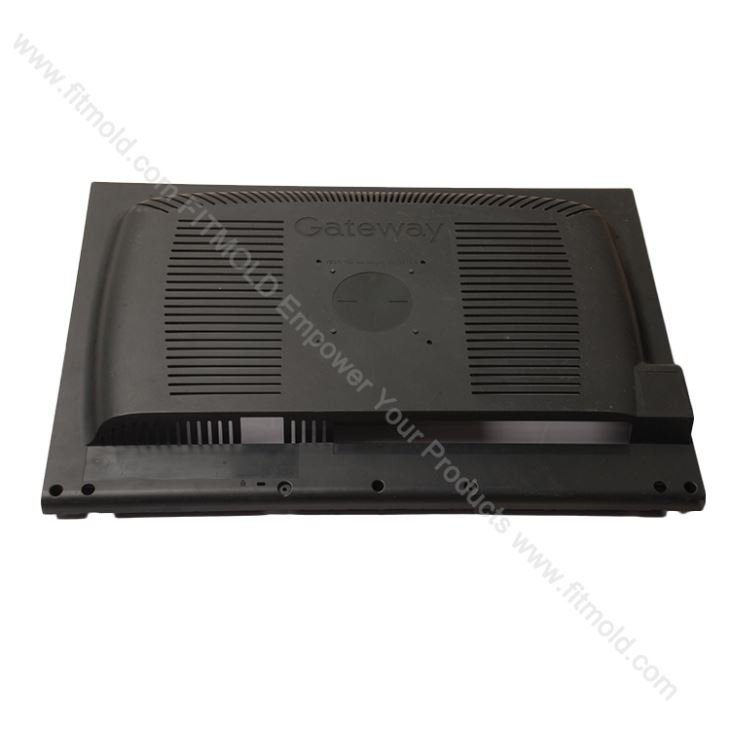
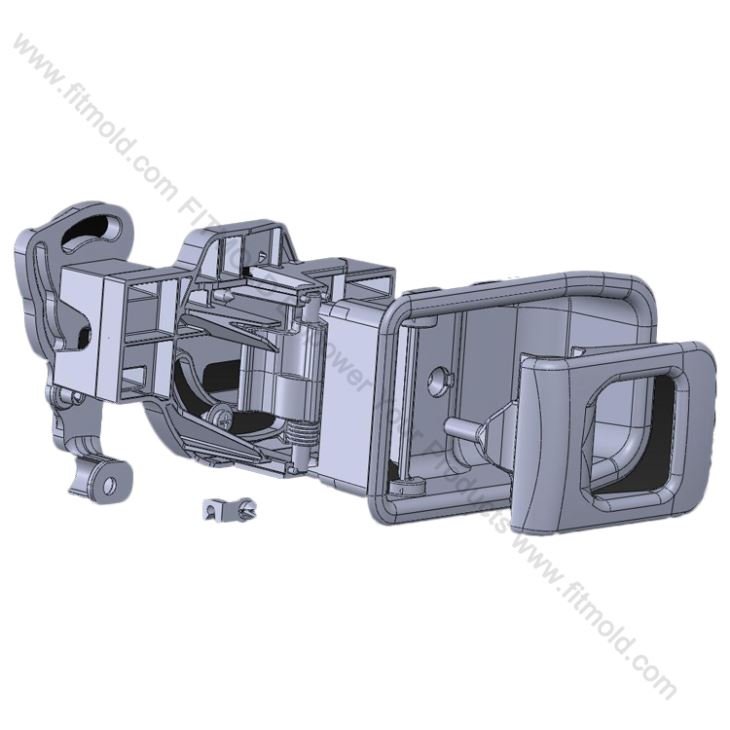
This process is used to manufacture a wide variety of products, including valves, pulleys, gears, power tool housings, bottle caps, toys, automotive parts, computer components, keyboards, furniture parts, and many other plastic items used in daily life and industrial applications.
Plastic Materials Used in Injection Molding
In the molding process, plastic resins are commonly supplied in pellet or granular form. The selection of material depends on the product design, functional requirements, surface finish expectations, and overall production budget.
Common materials used in plastic injection molding include ABS, PE, PP, PET, PMMA, PC, PU, and PVC. Each material has different characteristics in terms of strength, flexibility, transparency, chemical resistance, heat resistance, and cost. Choosing the right resin is an important part of successful product development and production planning.
Why Material Selection Matters
The plastic chosen for injection molding affects not only the final performance of the part but also the mold design, processing conditions, and overall manufacturing cost. For this reason, material selection should be evaluated carefully based on the intended application, safety requirements, and production goals.
Conclusion
Plastic injection molding is a highly efficient and economical process for manufacturing large quantities of plastic parts. With the right mold design, suitable material selection, and stable production control, it supports reliable mass production for both consumer and industrial products.