
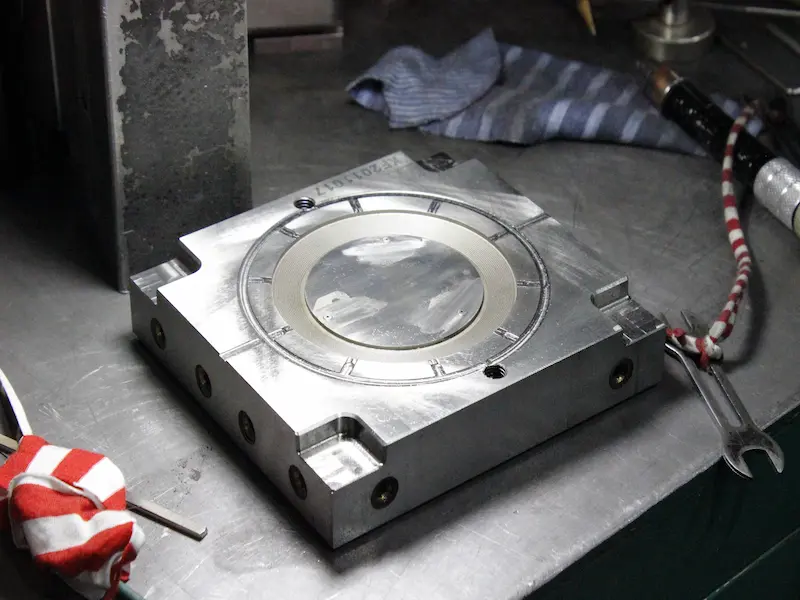
Medical Injection Molding for Sterile Plastic and Silicone Medical Parts
Medical injection molding is a specialized manufacturing process used to produce plastic or silicone components for medical devices, surgical tools, diagnostic equipment, and other healthcare applications. These parts may be used externally during medical procedures or, in some cases, may be designed for contact with the human body.
What Makes Medical Injection Molding Different
Medical injection molding is different from standard plastic injection molding because it must meet much stricter requirements for cleanliness, material control, consistency, and traceability. In medical applications, part quality is not only important for appearance and fit, but also for safety, hygiene, and regulatory compliance.
Depending on the product, manufacturers may use medical-grade plastics or silicone materials selected for biocompatibility, durability, chemical resistance, or sterilization compatibility.
Why Sterility Is Critical
One of the most important requirements in medical injection molding is sterility. Every stage of the process must be controlled carefully to reduce contamination risk. This includes raw material handling, mold cleanliness, production environment, part handling, packaging, and shipping conditions.
If a medical component becomes contaminated during manufacturing, packaging, or transport, it may no longer be suitable for medical use. For this reason, medical molding projects often require controlled production environments and validated procedures to maintain product integrity.
Common Medical Injection Molded Parts
Medical injection molding is used to produce a wide range of components, including surgical instrument parts, diagnostic device housings, drug delivery components, laboratory consumables, silicone seals, and other precision parts used in healthcare products. The process is suitable for both small, complex components and higher-volume production parts that require repeatable quality.
Key Manufacturing Considerations
Successful medical injection molding depends on more than just mold design. It also requires stable process control, material verification, strict cleanliness standards, and reliable packaging methods. In many cases, manufacturers must also document production parameters and inspection results to support quality assurance requirements.
Conclusion
Medical injection molding is a highly controlled process used to manufacture sterile plastic and silicone parts for healthcare applications. Because these products may be used in critical medical environments, strict cleanliness, process stability, and contamination prevention are essential throughout manufacturing, packaging, and delivery.