Skip to content

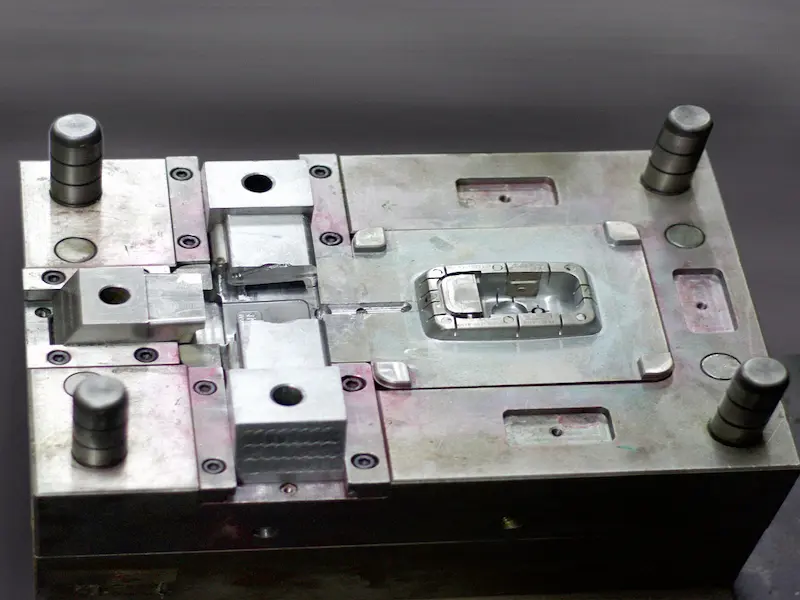
Cracking in injection molded parts may occur during molding, demolding, assembly, or later use. Effective troubleshooting starts by identifying when the crack appears and then checking the processing conditions, material, mold design, and machine settings.
1. Check the Processing Parameters
Improper molding parameters are one of the main causes of cracking in plastic parts.
- Excessive injection pressure, holding pressure, or filling speed can create high internal stress inside the part.
- Excessively long packing or holding time can increase stress concentration and lead to cracking.
- If the mold opening speed is too fast, the part may crack during demolding.
- Increasing the mold temperature can make demolding easier and reduce the risk of cracking.
- Reducing the melt temperature when necessary can help prevent material degradation.
- Weld lines and degraded plastic material may weaken the part and increase the risk of cracking.
- Release agents should be used carefully, and mold surface contamination should be avoided.
Residual stress can also be reduced through annealing or appropriate post-molding heat treatment, which can help minimize the risk of cracking after molding.
2. Check the Plastic Material
The quality and condition of the plastic material have a major influence on part strength and crack resistance.
- Too much recycled material may reduce the mechanical strength of the part.
- Excess moisture in the material can cause hydrolysis or poor molding quality, particularly with moisture-sensitive resins.
- Using the wrong resin for the application environment may increase brittleness and cracking risk.
- Contaminated or degraded material can weaken the final part.
3. Check the Mold and Part Design
Poor mold or part design can create stress concentration areas that increase the likelihood of cracking.
- Ejection force should be evenly distributed using sufficient ejector pins and a proper ejector layout.
- Draft angles should be sufficient to allow smooth demolding.
- The mold cavity surface should be smooth enough to reduce friction during ejection.
- Thin wall sections, sharp corners, and sudden thickness changes can create stress concentration points.
- Rounded transitions and fillets should be used wherever the part design allows.
- Metal inserts can increase internal stress because of differences in shrinkage and thermal expansion between the metal and plastic.
- Deep cavity parts may require adequate venting and suitable ejection design to prevent vacuum sticking.
- The runner, sprue, and gate system should be designed to minimize unnecessary stress and allow reliable part removal.
4. Check the Injection Molding Machine
The injection molding machine itself can also contribute to cracking problems.
If the plasticizing capacity of the machine is too small, the material may not be melted and mixed consistently. If the machine is significantly oversized for the required shot size, excessive residence time in the barrel may contribute to material degradation.
Selecting an appropriate machine size and maintaining stable molding conditions are important for reducing cracking defects in injection molded parts.
5. Identify When the Cracking Occurs
The stage at which cracking appears can provide useful clues when troubleshooting the problem.
- Cracking during molding: Check material degradation, excessive pressure, melt temperature, mold temperature, and filling conditions.
- Cracking during demolding: Check draft angles, ejector layout, mold surface condition, undercuts, and mold opening speed.
- Cracking during assembly: Check interference fits, press-fit forces, screw torque, inserts, and local stress concentration.
- Cracking after storage or use: Check residual stress, chemical exposure, environmental conditions, material compatibility, and long-term loading.
6. Preventing Cracking in Injection Molded Parts
Cracking is often caused by a combination of processing conditions, material properties, part geometry, mold design, and ejection conditions rather than a single factor. A systematic troubleshooting process can help identify the actual source of the problem before changes are made to the mold or production process.
By controlling molding parameters, selecting the appropriate plastic material, reducing stress concentration in the part design, improving mold and ejection design, and using a suitable injection molding machine, manufacturers can significantly reduce cracking and improve the reliability of injection molded components.