Skip to content

Key Characteristics of Rapid Prototyping Technology in Modern Manufacturing
Rapid prototyping technology, also known as freeform manufacturing, has become an important part of modern product development and manufacturing. Its key advantages include tooling-free production, fast turnaround, CAD-driven manufacturing, and strong economic value, although its dimensional accuracy still has certain limitations compared with traditional machining methods.
1. Freeform Manufacturing
Freeform manufacturing is another name for rapid prototyping, and it reflects two important characteristics of the technology.
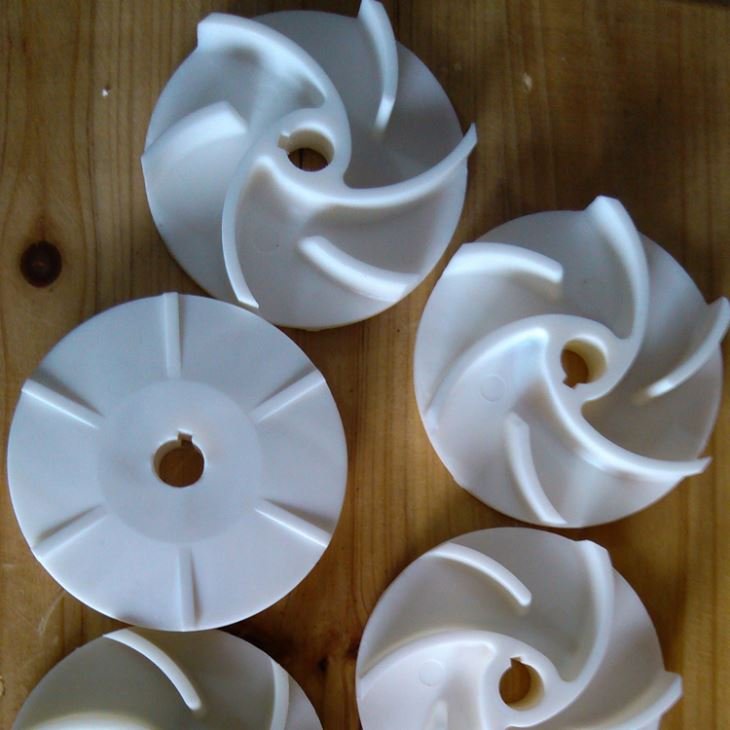
First, prototypes or parts can be produced without the need for traditional tooling. This significantly shortens the trial production cycle of new products and reduces tooling cost during development.
Second, the process is not restricted by part shape complexity. It can manufacture parts with highly complex geometries, unique structures, and forms that are difficult or inefficient to achieve through conventional manufacturing processes.
2. High Manufacturing Efficiency
From a CAD digital model or reverse-engineered physical data to a finished prototype, the entire process usually takes only a few hours to several tens of hours. This is much faster than traditional manufacturing methods and greatly improves communication between design and production during product development.
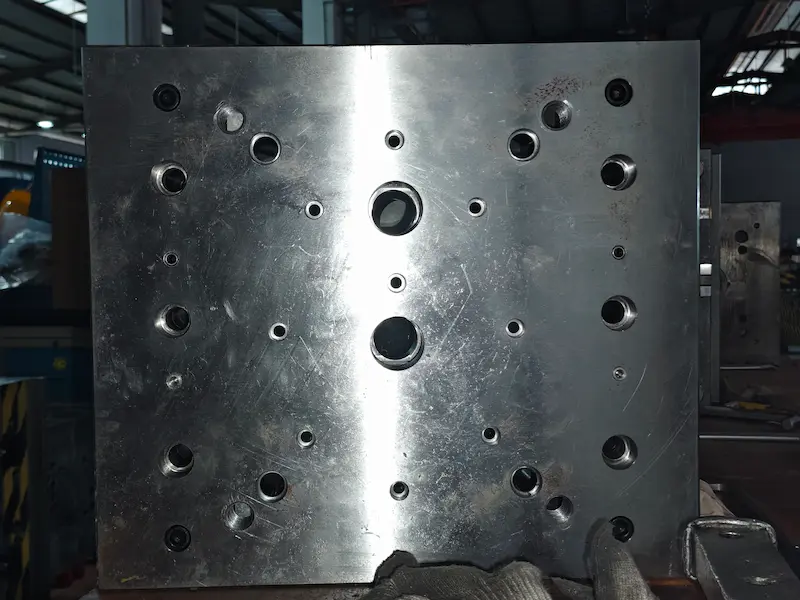
When rapid prototyping is used as the basis for rapid tooling, actual parts in the required production material can often be produced within a few days. In contrast, traditional steel mold manufacturing may require several months. As a result, rapid prototyping helps reduce both development cost and development risk.
3. Directly Driven by CAD Models
No matter which rapid prototyping process is used, the part is built by adding material point by point and layer by layer. This additive manufacturing approach is one of the key differences between rapid prototyping and traditional subtractive machining methods.
Rapid prototyping systems are driven directly or indirectly by CAD digital models. This direct connection between digital design and physical production is one of the main reasons why rapid prototyping offers both speed and flexibility in modern manufacturing.
4. Highly Integrated Technology
Rapid prototyping is a highly integrated manufacturing technology. It combines new materials, laser technology, precision servo drive systems, computer control, and numerical control technology into one workflow.
Because of this integration, rapid prototyping helps bridge the gap between CAD and CAM more effectively than many traditional manufacturing planning methods.
5. Strong Economic Efficiency
Because rapid prototyping can produce prototypes or parts without tooling and is less affected by shape complexity, the direct manufacturing cost of prototypes is often lower than with traditional methods. In addition, rapid prototyping supports design verification, appearance evaluation, assembly checking, functional testing, and rapid tooling development.
These advantages help shorten the product development cycle and bring significant time-saving and cost-saving benefits. This strong economic value is one of the main reasons why rapid prototyping has been widely adopted across the manufacturing industry.
6. Accuracy Is Still Lower Than Traditional Machining
Although rapid prototyping offers many important advantages, its dimensional accuracy is generally lower than that of traditional machining. During slicing, some model data is inevitably lost, and the layer-by-layer manufacturing process itself introduces geometric limitations.
In addition, phase changes during material buildup and internal stress generated during solidification may lead to deformation or warpage. These factors fundamentally limit the dimensional precision that rapid prototyping can achieve in practical manufacturing applications.
Conclusion
Rapid prototyping technology plays an increasingly important role in modern manufacturing because it provides tooling-free production, fast turnaround, CAD-based workflow, and strong economic benefits. At the same time, users must understand its limitations in dimensional accuracy when selecting it for engineering applications.
For product development, prototype validation, and rapid tooling support, rapid prototyping remains one of the most valuable technologies for improving speed, flexibility, and development efficiency.