
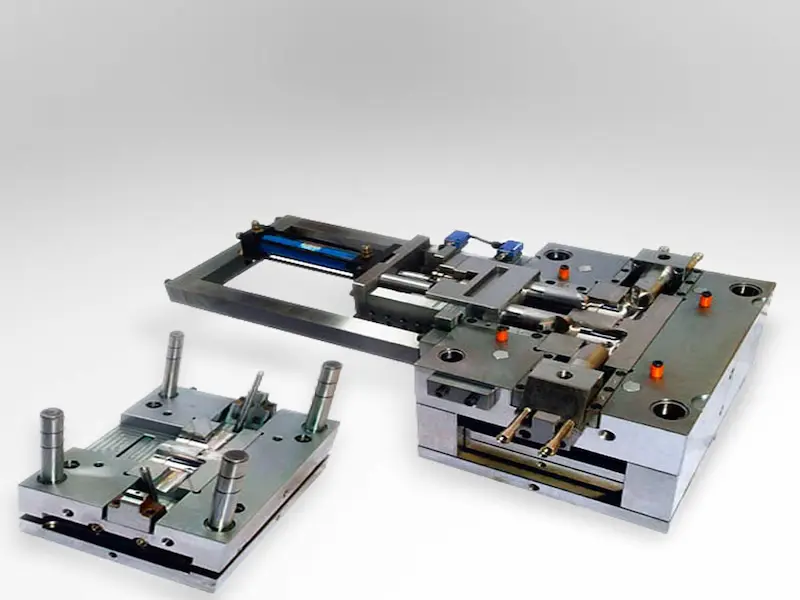
Stamping Die Maintenance vs Scrap Decision: How to Control Tooling Cost
In stamping production, tooling cost is one of the most important factors affecting part cost. In many cases, the cost of the stamping die accounts for approximately 20% to 25% of the total part cost. This is not only because mold manufacturing itself is difficult and expensive, but also because die repair, sharpening, and maintenance after production startup can create significant ongoing cost.
In fact, the initial manufacturing cost of the die often accounts for only about 40% of the total lifecycle cost of the tooling. For this reason, timely maintenance and proper repair decisions are essential for reducing overall stamping production cost.
1. Why Timely Die Maintenance Is Important
Regular die maintenance helps prevent severe tooling damage, reduce unexpected downtime, and extend tool life. Compared with major repair or full remanufacturing, preventive maintenance is usually the most cost-effective way to keep stamping production stable.
By identifying wear, sharpening issues, jamming, or minor damage early, manufacturers can avoid larger failures that would otherwise increase repair cost and delay production.
2. When a Stamping Die Should Be Repaired
After a stamping die fails, repair is often still a practical option, especially when the damage is limited to non-critical areas or relatively small components.
Typical repairable failures include:
- Damage to non-critical mold components
- Small punch fracture
- Punch upsetting
- Concave template cracking
- Punching edge cracking
In many of these cases, the die can be restored to normal working condition through proper maintenance and then returned to production.
3. When a Stamping Die Should Be Scrapped
In some situations, scrapping the die and remanufacturing a new one is the better decision.
A die should be considered for scrapping when:
- Critical mold components are seriously damaged
- The punch and die are both damaged at the same time
- The one-time repair cost exceeds 70% of the original die cost
- The remaining die life is already close to its end
- The repair process is too complex and would take too long
When repair becomes too expensive or causes excessive production delay, early retirement of the tooling is often the more economical choice. This is especially important for normal stamping dies, although very large molds or highly complex progressive dies may still require separate evaluation.
4. Balancing Repair Cost and Production Efficiency
Stamping production efficiency and cost depend heavily on mold condition. Once a die problem appears, manufacturers should analyze the specific cause carefully and choose the most suitable repair or replacement plan.
Common production issues related to tooling include mold damage, jamming, sharpening problems, and product quality defects. Handling these issues quickly can shorten downtime, reduce repair cycle time, and protect production schedules.
5. Make the Right Tooling Decision for Long-Term Cost Control
The relationship between die maintenance and die scrapping should always be managed from both technical and economic perspectives. Repairing a die too late can increase production losses, while scrapping it too early can waste remaining tooling value.
By making timely maintenance decisions, evaluating actual repair cost, and responding quickly to tooling failure, manufacturers can reduce total stamping die cost, improve production continuity, and ensure more stable stamping output.