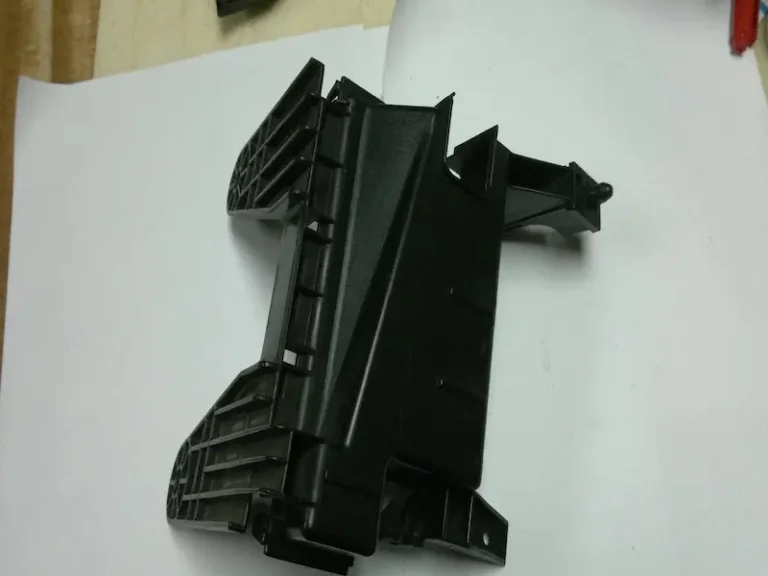
Why Do Plastic Parts Swell or Form Blisters After Demolding?
Why Do Plastic Parts Swell or Form Blisters After Demolding? Some injection molded plastic parts may swell, blister, or bulge shortly after demolding, especially on

Why Do Plastic Parts Swell or Form Blisters After Demolding? Some injection molded plastic parts may swell, blister, or bulge shortly after demolding, especially on
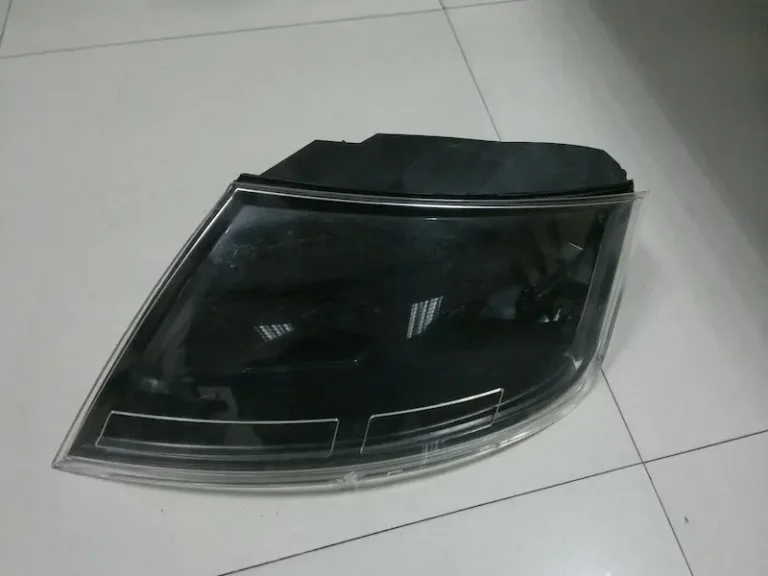
What Causes Flow Marks Near the Gate in Injection Molded Parts? Rigid plastic materials such as PS may develop dense ripple marks on the surface
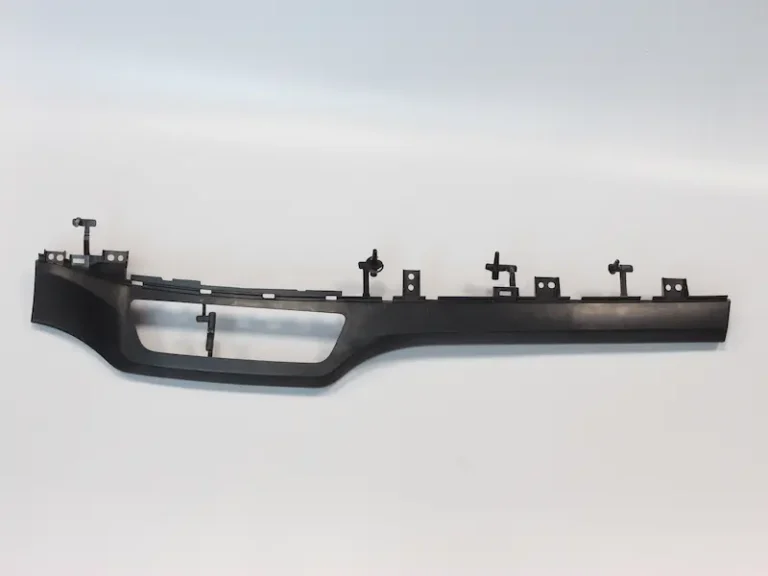
Rotational Molding Wall Thickness Problems: Causes and Solutions In rotational molding, it is difficult to produce plastic parts with abrupt wall thickness changes. The average
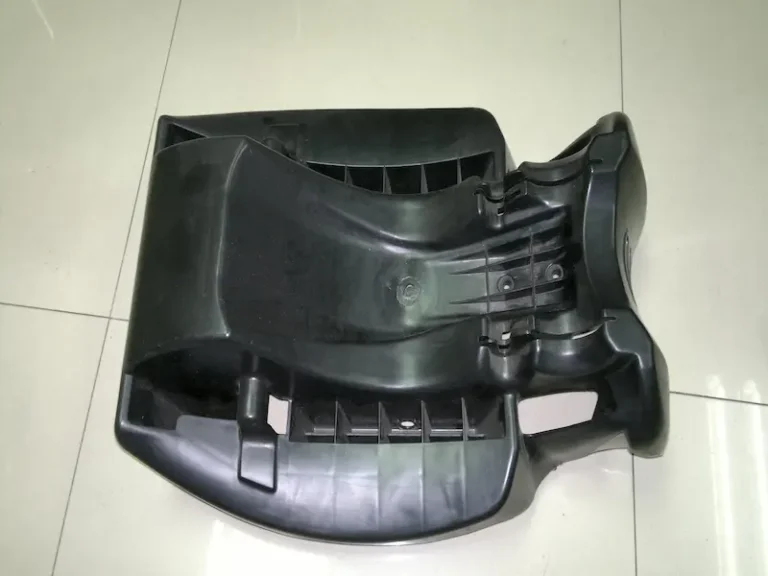
How to Improve Wall Thickness Uniformity in Rotational Molding The following methods can be used to improve wall thickness uniformity in rotational molding and to
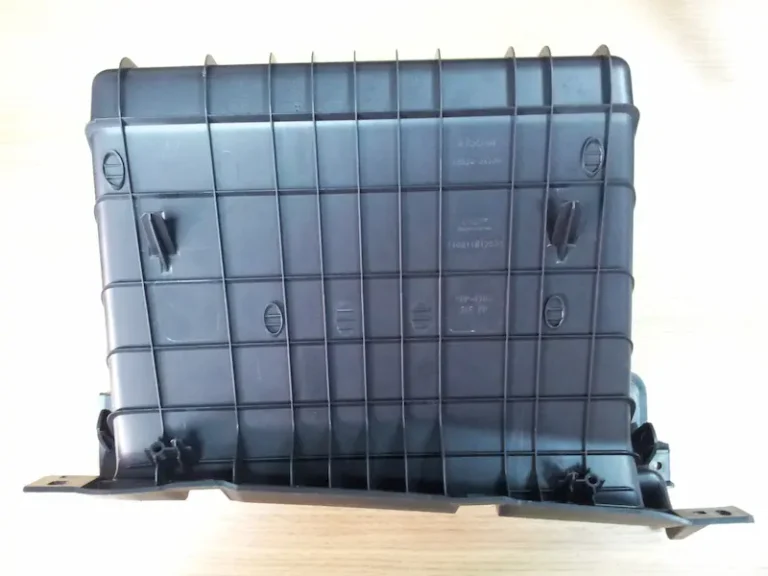
Injection Molding Short Shot Troubleshooting: Causes and Solutions When a molded part is not completely filled, the first step is to observe the screw travel
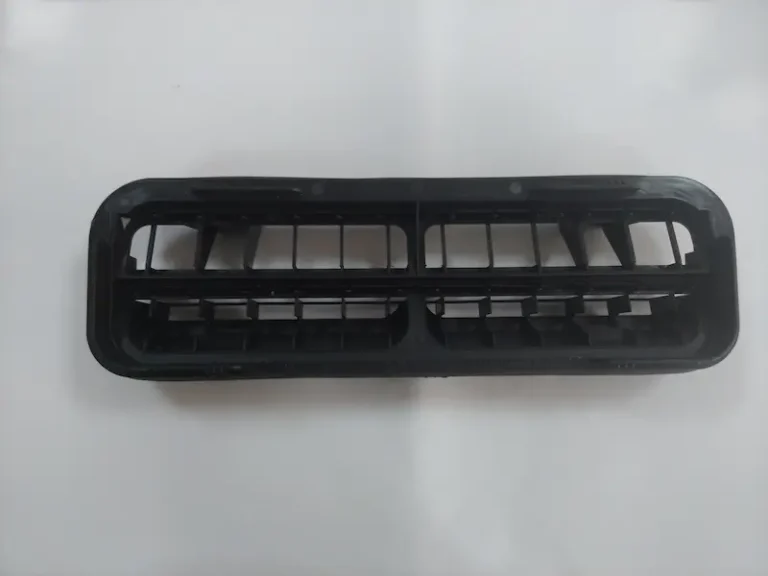
Injection Molding Sink Marks: Causes, Solutions, and Process Optimization Sink marks are a common molding defect that usually appear in areas where the part wall
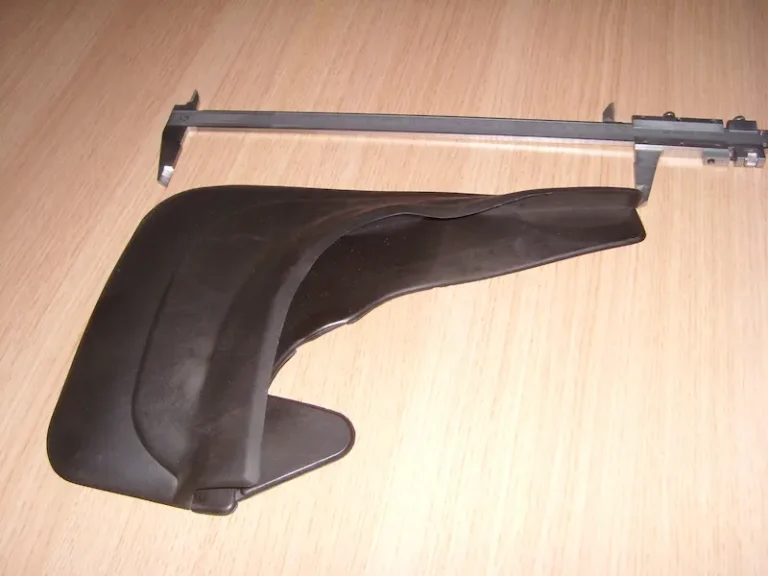
Injection Molding Sink Marks: Causes, Solutions, and Process Optimization Sink marks are one of the most common defects in injection molding. They usually appear in
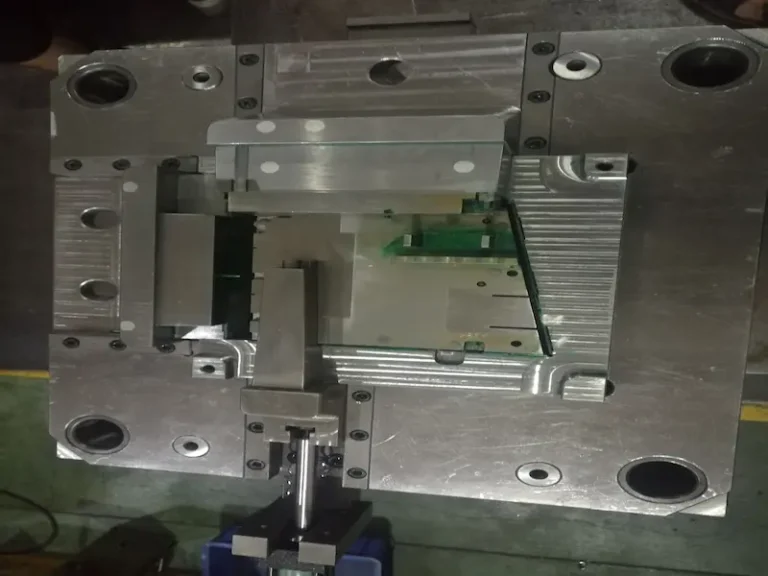
Causes of Poor Surface Gloss in Injection Molded Parts and How to Fix It Poor surface gloss in injection molded parts is usually related to
What Is a Precision Injection Molding Machine and How Closed-Loop Control Improves Accuracy A precision injection molding machine is an injection molding machine equipped with