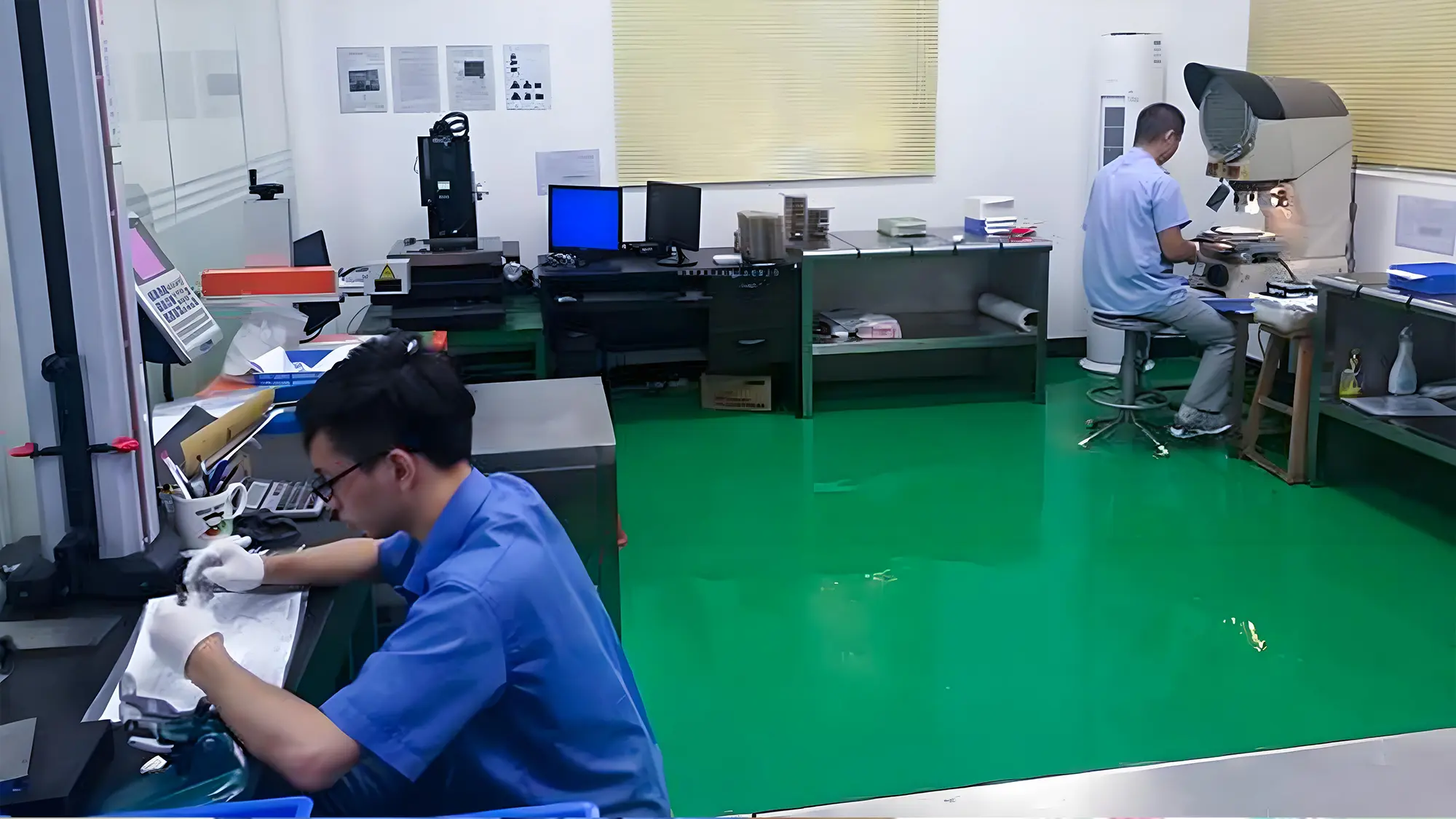
Quality control is embedded throughout our manufacturing workflow, from incoming materials to final shipment. Our structured inspection system ensures traceability, dimensional accuracy, and consistent production performance across all projects.
Quality Management System
We operate under a structured quality management system designed to ensure process stability and minimize variation throughout tooling and mass production.
Our framework integrates engineering review, documented workflows, and defined inspection checkpoints to maintain consistent manufacturing performance from concept validation to long-term production.
• Structured process control across all production stages • Defined quality checkpoints and approval gates • Documented procedures with revision control • Clear acceptance criteria aligned with customer specifications
1/4
Incoming & In-Process Inspection
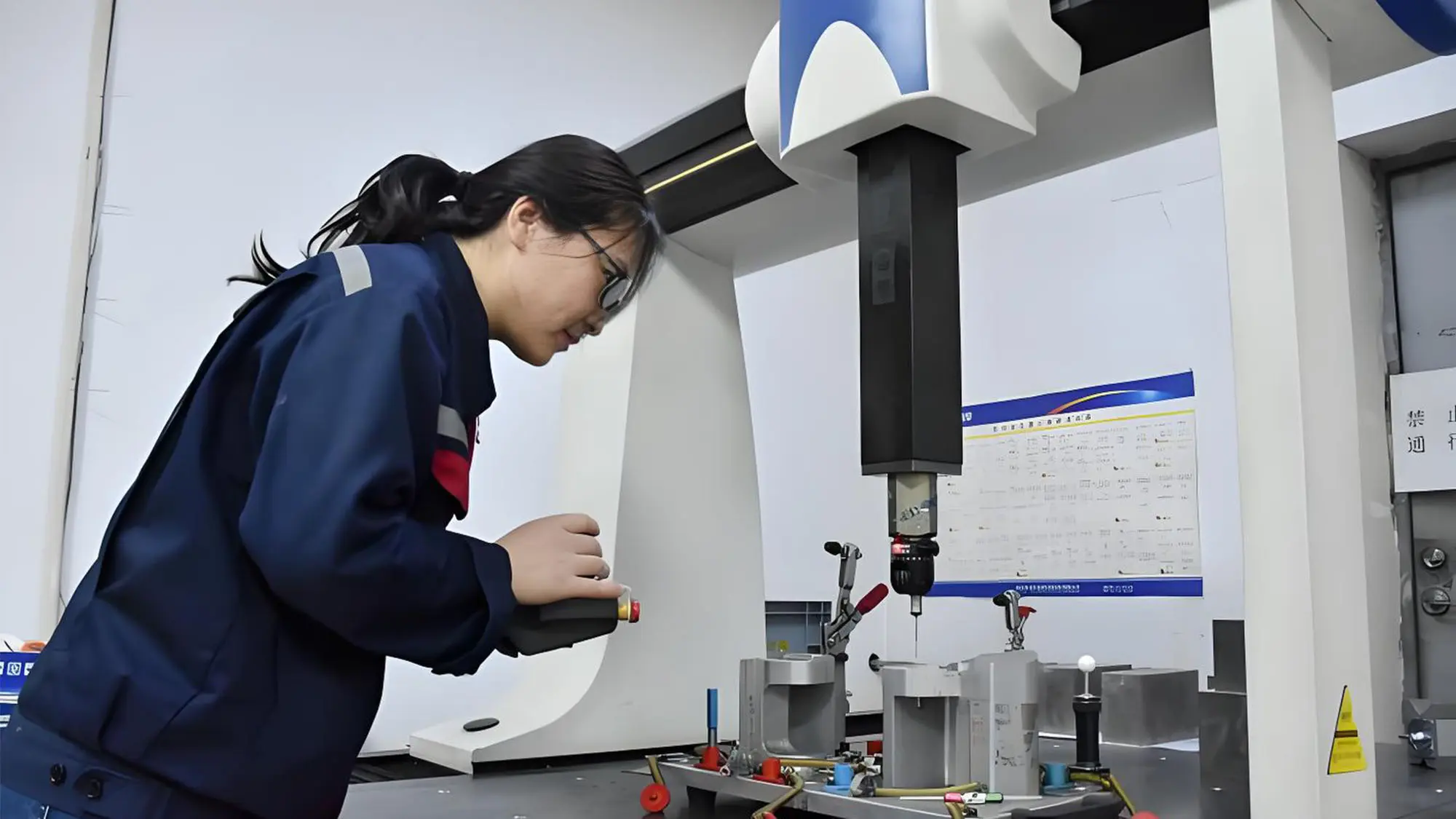
Quality control begins before production and continues throughout every manufacturing step. Incoming materials and critical dimensions are verified to prevent deviations from propagating downstream.
During tooling trials and mass production, in-process inspections are conducted to monitor stability and maintain tolerance control.
• Incoming material verification • Dimensional inspection during tooling and trials • In-process quality monitoring • Immediate corrective action when deviations occur
2/4
Final Inspection & Validation
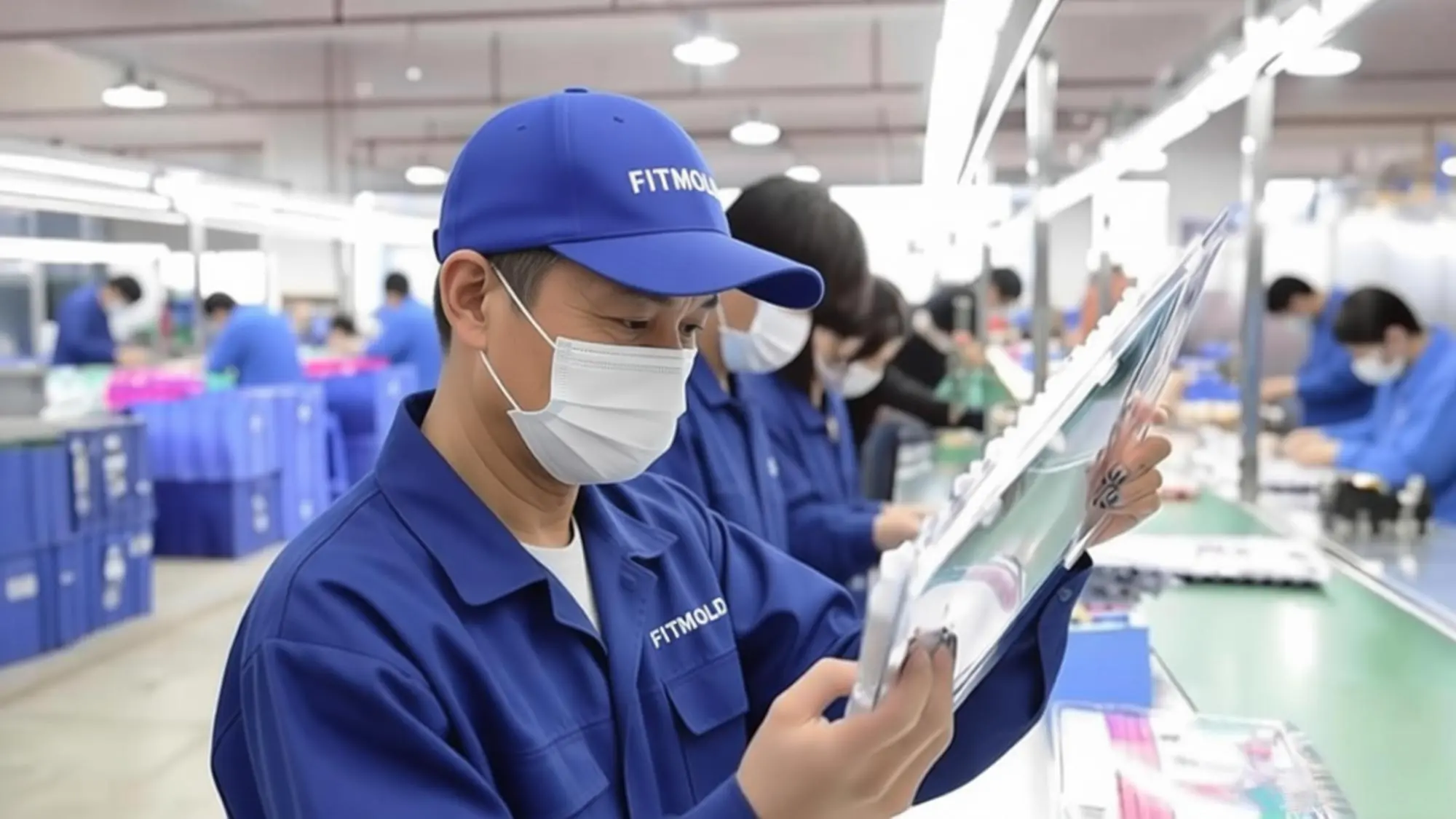
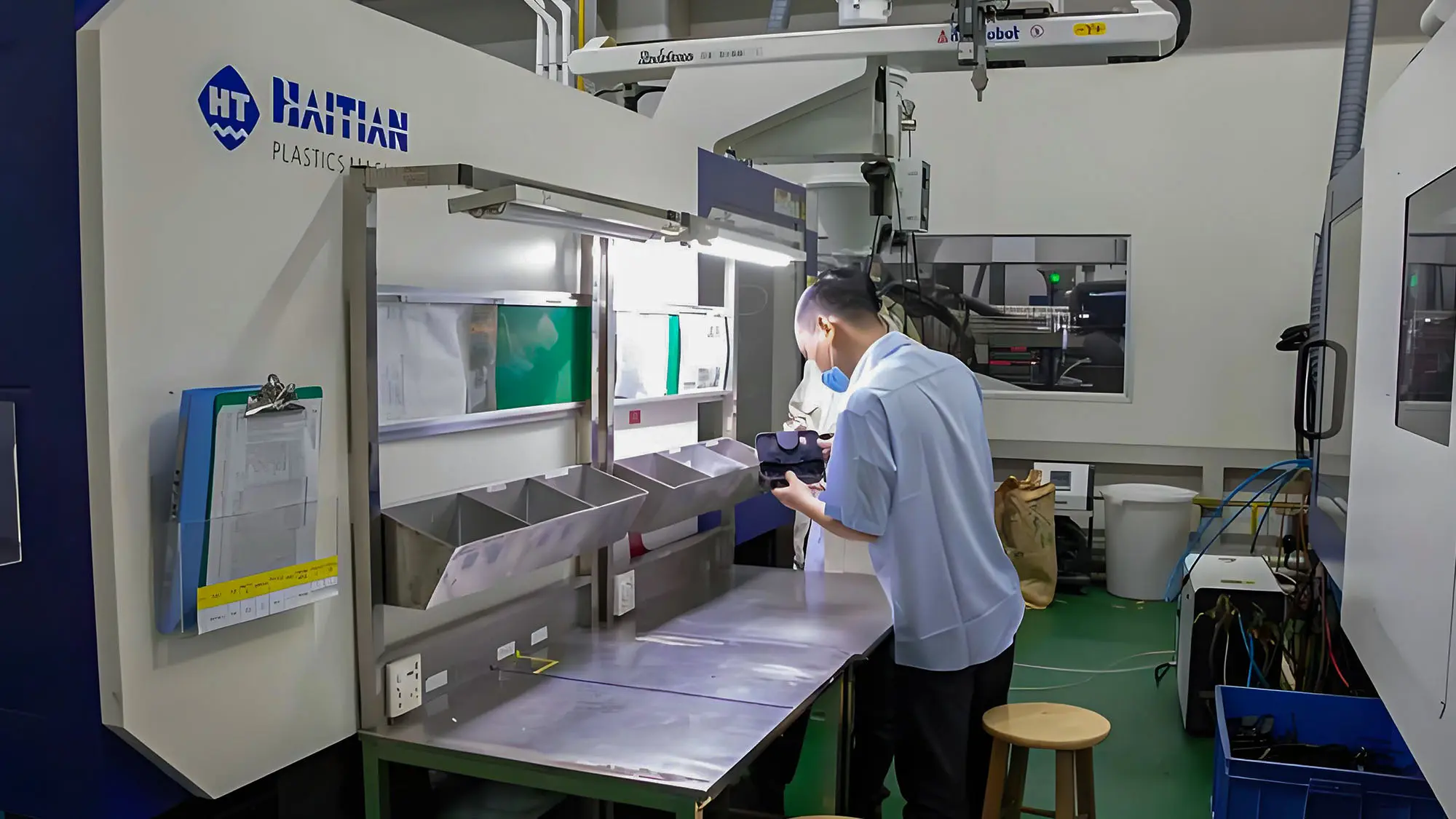
Before shipment, products undergo comprehensive final inspection and functional validation to confirm compliance with customer drawings and technical specifications.
This stage ensures dimensional accuracy, surface quality, and assembly integrity meet defined requirements.
• Final dimensional and visual inspection • Functional validation testing • Packaging and labeling verification • Shipment release based on defined approval criteria
Reliable quality performance depends on accurate measurement, transparent documentation, and continuous process refinement.
We utilize calibrated precision measuring equipment and maintain traceable production records to support data-driven improvement initiatives.
• Use of precision measuring and inspection equipment • Traceable production and inspection records • Data-based root cause analysis • Ongoing process optimization and improvement
4/4
Quality Management System
We operate under a structured quality management system designed to ensure process stability and minimize variation throughout tooling and mass production.
Our framework integrates engineering review, documented workflows, and defined inspection checkpoints to maintain consistent manufacturing performance from concept validation to long-term production.
• Structured process control across all production stages • Defined quality checkpoints and approval gates • Documented procedures with revision control • Clear acceptance criteria aligned with customer specifications
1/4
Incoming & In-Process Inspection
Quality control begins before production and continues throughout every manufacturing step. Incoming materials and critical dimensions are verified to prevent deviations from propagating downstream.
During tooling trials and mass production, in-process inspections are conducted to monitor stability and maintain tolerance control.
• Incoming material verification • Dimensional inspection during tooling and trials • In-process quality monitoring • Immediate corrective action when deviations occur
2/4
Final Inspection & Validation
Before shipment, products undergo comprehensive final inspection and functional validation to confirm compliance with customer drawings and technical specifications.
This stage ensures dimensional accuracy, surface quality, and assembly integrity meet defined requirements.
• Final dimensional and visual inspection • Functional validation testing • Packaging and labeling verification • Shipment release based on defined approval criteria
Reliable quality performance depends on accurate measurement, transparent documentation, and continuous process refinement.
We utilize calibrated precision measuring equipment and maintain traceable production records to support data-driven improvement initiatives.
• Use of precision measuring and inspection equipment • Traceable production and inspection records • Data-based root cause analysis • Ongoing process optimization and improvement