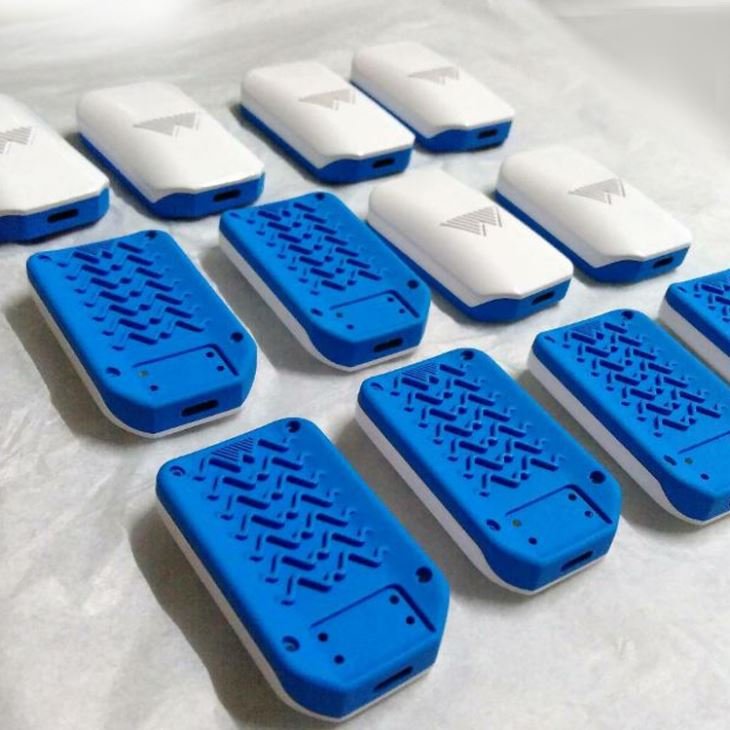
Prototyping is not about making something look real. It is about understanding whether a product can be manufactured reliably.
At this stage, design assumptions are tested against physical reality. Structure, material behavior, assembly logic, and tolerances are exposed early, before costly tooling decisions are made.
A well-made prototype reduces uncertainty, shortens development cycles, and prevents avoidable changes during mold making and mass production.
Prototyping With Production in Mind
We approach prototyping as part of the manufacturing process, not as an isolated creative step.
Our focus is to ensure that prototypes help answer key questions:
Is the structure manufacturable?
Are tolerances realistic for injection molding?
Will material behavior meet functional requirements?
Are there assembly or durability risks?
Every prototype is evaluated based on how it supports the next step: tooling and production.
Processes We Use for Prototyping
We select processes based on material, geometry, and expected production volume.
Our prototyping capabilities include:
CNC machining (turning, milling, routing)
Silicone rubber molding
Low-volume injection molding
Metal casting
3D printing (FDM, SLS, SLA)
Surface finishing
PCB prototyping
The goal is not speed alone, but relevance. Each process is chosen to simulate production conditions as closely as necessary.
From Prototype to Tooling
Prototyping allows design issues to surface early, when changes are still manageable.
Based on prototype results, we help clients:
Refine part geometry
Adjust material selection
Simplify structures for tooling
Reduce production risks before mold investment
This transition from prototype to mold design is where most cost and time savings are achieved.
How to Start
To begin a prototyping project, please provide:
3D CAD files
Material requirements
Quantity expectations
Intended production method
Our team reviews your design with both prototyping and tooling in mind, and recommends the most suitable approach.
What You Can Expect
Prototypes that reflect real manufacturing constraints
Clear feedback before mold making
Fewer surprises during tooling and production
A smoother transition to mass production
A good prototype does more than represent an idea.