Skip to content
Fitmold supports custom metal parts from process selection and material review through tooling, forming or casting, secondary CNC machining, surface finishing, inspection, and assembly. Our capabilities cover stamped sheet metal parts, aluminum and zinc high-pressure die castings, tilt-pour aluminum gravity castings, and investment cast parts in stainless steel, alloy steel, and copper alloys. The manufacturing route is selected according to part geometry, material, wall thickness, strength, surface quality, production volume, tooling cost, and final application.
Different metal manufacturing processes solve different production needs. Sheet metal stamping is suitable for formed components made from metal sheet; high-pressure die casting supports thin-walled aluminum and zinc parts with integrated features; tilt-pour gravity die casting provides controlled filling for selected aluminum components; and investment casting produces detailed stainless steel, alloy steel, and copper alloy parts from lost-wax patterns. We compare part design, material performance, tolerance, surface requirements, quantity, tooling investment, and secondary operations before recommending a practical manufacturing process.
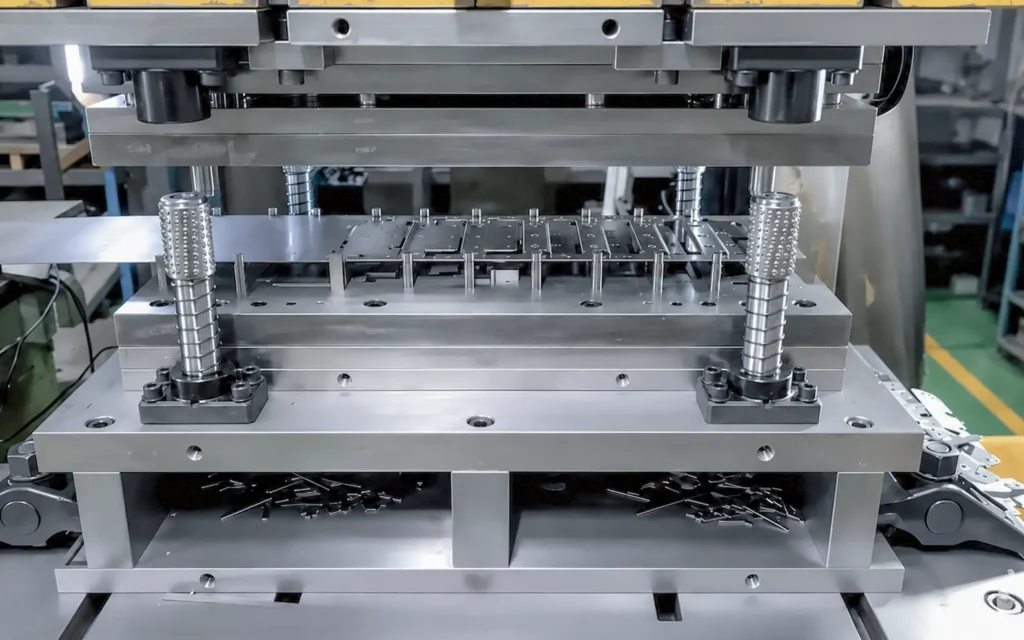
Sheet metal stamping is suitable for brackets, covers, clips, plates, structural parts, and other components produced from metal sheet. Depending on the design and quantity, the process may include blanking, punching, bending, forming, welding, tapping, and surface finishing. We focus on controlling part geometry, hole positions, bend accuracy, material thickness, and assembly requirements throughout production.
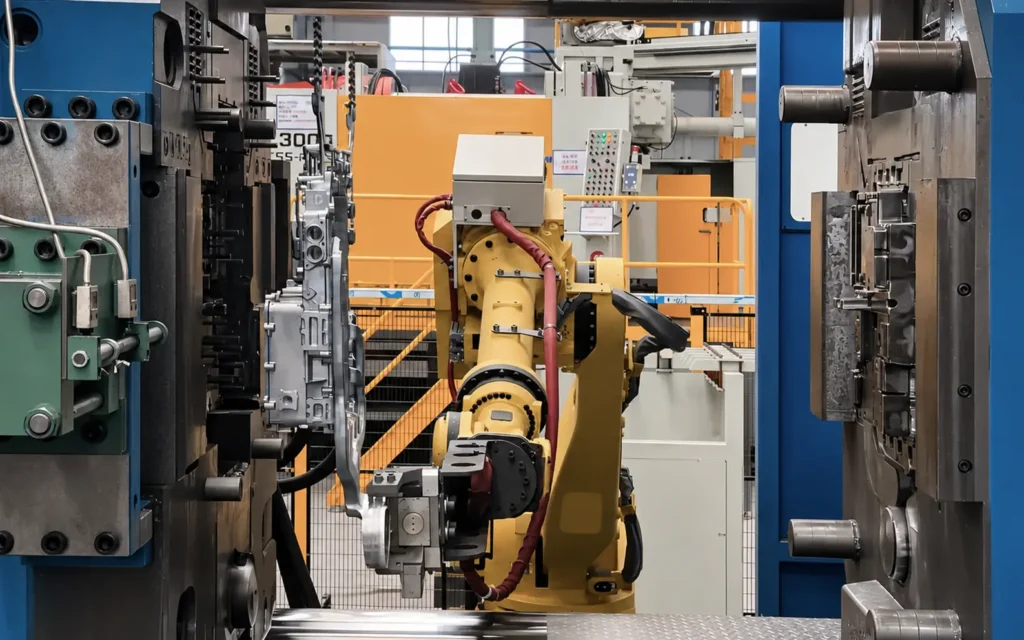
High-pressure die casting is used for aluminum and zinc alloy parts that require complex geometry, thin walls, integrated features, and repeatable high-volume production. We review alloy selection, draft angles, wall thickness, parting lines, porosity risks, dimensional requirements, and cosmetic surfaces before tooling and production begin. Secondary operations may include trimming, deburring, CNC machining, drilling, tapping, surface finishing, inspection, and assembly.
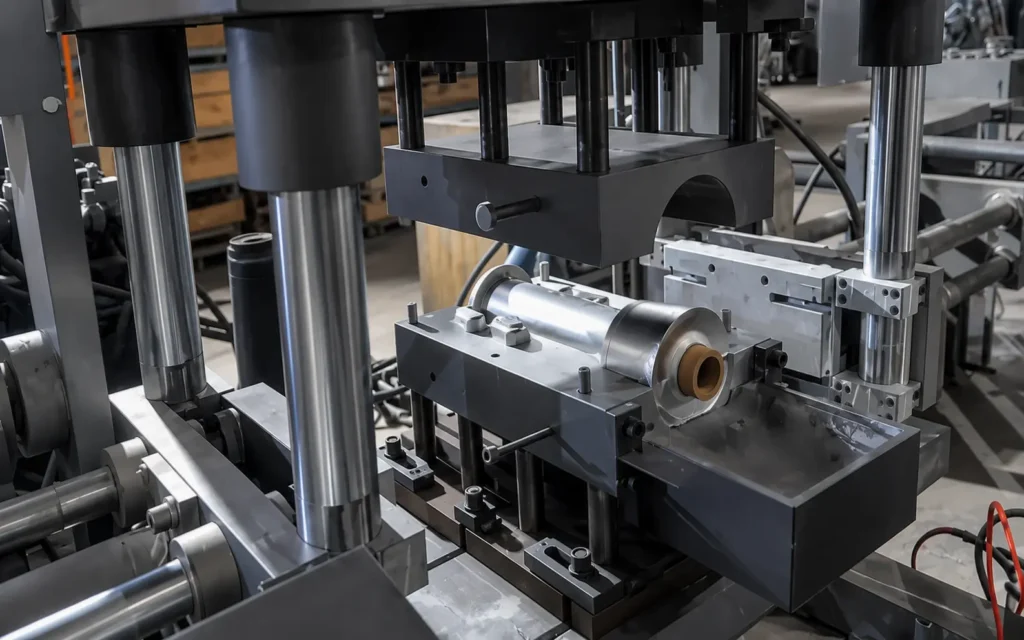
Tilt pour gravity die casting is used for aluminum alloy parts that benefit from reusable metal molds, controlled filling, and better structural consistency than conventional sand casting. In this process, molten aluminum is poured into a receiving cup and the mold is tilted so the metal flows into the cavity under gravity. The process is suitable for selected aluminum parts requiring stable geometry, good surface quality, and repeatable production, with secondary machining and finishing applied as needed.
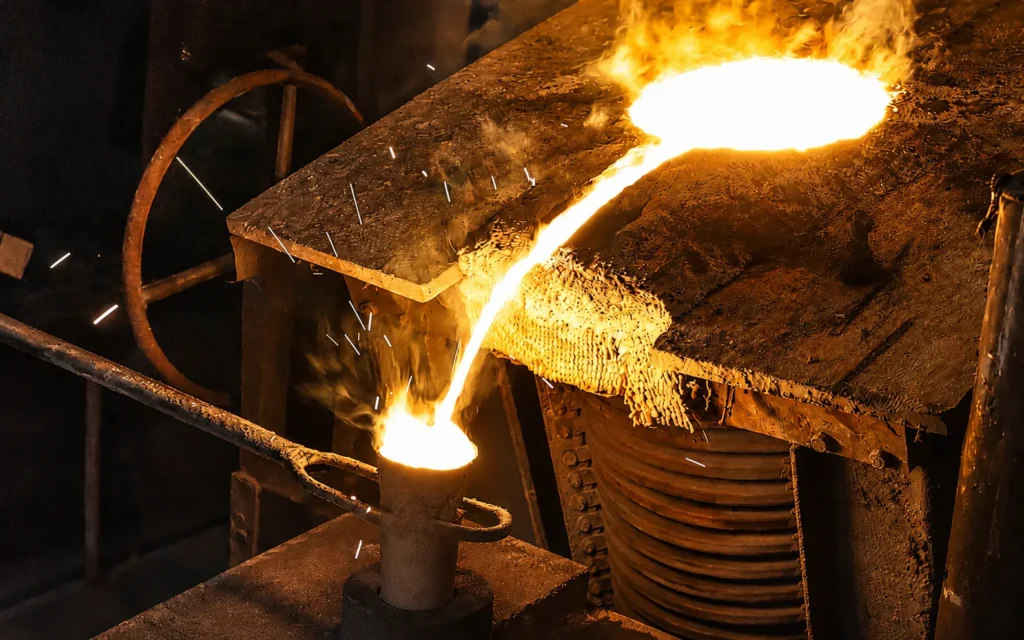
Investment casting, also known as lost-wax casting, is suitable for stainless steel, carbon steel, alloy steel, and copper alloy parts with complex geometry and detailed features. The process uses wax patterns and ceramic shells to produce near-net-shape castings with good surface quality and reduced machining requirements. Fitmold supports materials such as 304 and 316 stainless steel, together with secondary CNC machining, polishing, heat treatment, surface finishing, inspection, and assembly where required.
Send us your 3D files, 2D drawings, material requirements, surface finish, expected quantity, and intended application. We can review the part and recommend a practical manufacturing route using sheet metal stamping, high-pressure die casting, tilt-pour gravity die casting, or investment casting, together with secondary machining, finishing, inspection, and assembly as required.