Skip to content

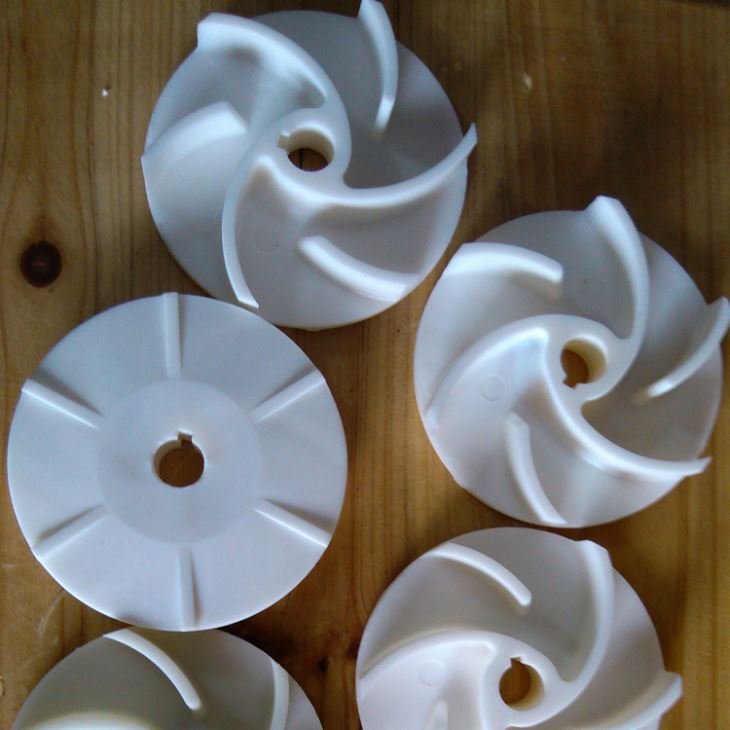
3D printing is widely used during product development because it allows engineers to turn CAD models into physical prototypes without first manufacturing production tooling. This makes it useful for design verification, appearance evaluation, assembly checks, and early functional testing.
Why Use 3D Printing for Rapid Prototyping?
Traditional manufacturing methods may require fixtures, machining programs, or molds before a sample can be produced. 3D printing can shorten this preparation stage and is especially useful when several design iterations are expected.
A prototype can help engineers identify interference, incorrect dimensions, difficult assembly conditions, weak structures, or appearance problems before committing to production tooling.
Common 3D Printing Processes
Different technologies are suitable for different prototype requirements.
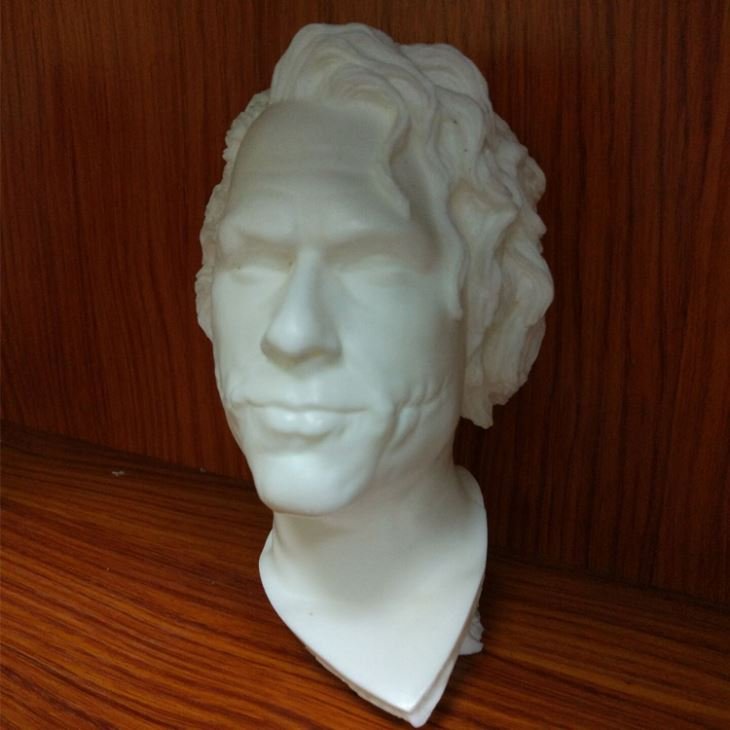
- SLA: suitable for detailed models, smooth surfaces, appearance prototypes, and complex geometry.
- SLS: useful for stronger functional plastic prototypes and parts with complex shapes.
- FDM: suitable for economical concept models, fixtures, and larger prototypes where very fine surface quality is not the main requirement.
Material Selection
Prototype material should be selected according to what needs to be tested. Appearance models may prioritize surface quality, while functional prototypes may require strength, temperature resistance, flexibility, or dimensional stability.
A 3D printed prototype does not always reproduce the exact mechanical properties of an injection molded production part, so test objectives should be defined before selecting the process and material.
Design Verification Before Tooling
3D printed samples can be used to check product dimensions, wall thickness, assembly relationships, clips, ribs, openings, ergonomic features, and other design details.
Finding these issues before mold manufacturing can reduce the risk of expensive tooling modifications later.
When CNC Machining May Be Better
3D printing is not the best process for every prototype. CNC machining may be more suitable when the project requires actual engineering material, tighter tolerances, better mechanical properties, or a production-like surface finish.
For many projects, both processes can be used at different development stages.
From Prototype to Production
Rapid prototyping should support the complete product development process. After the design is verified, engineering data can be reviewed for DFM, material selection, mold design, injection molding, machining, finishing, and assembly.
The objective is not simply to produce a sample quickly. A useful prototype should help reduce uncertainty before production investment begins.