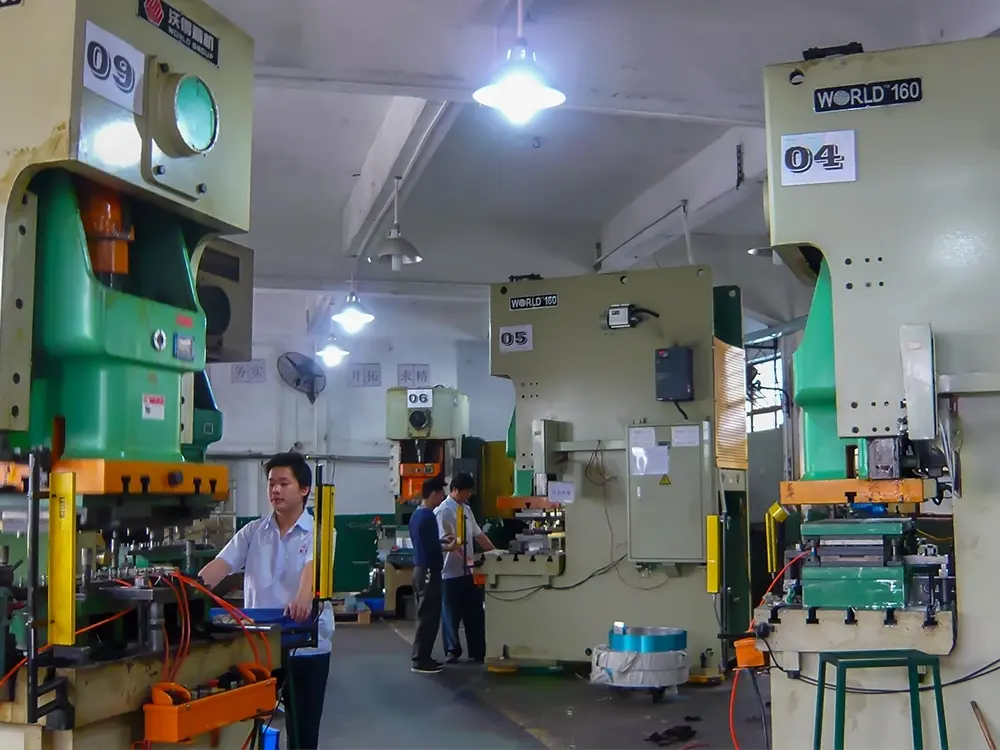
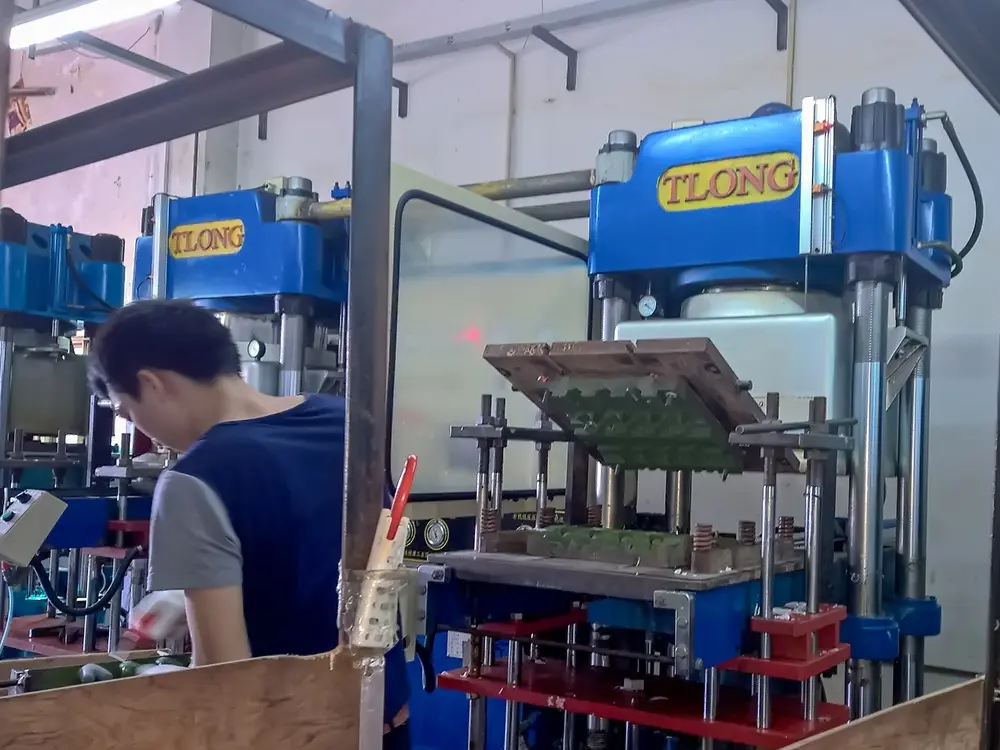
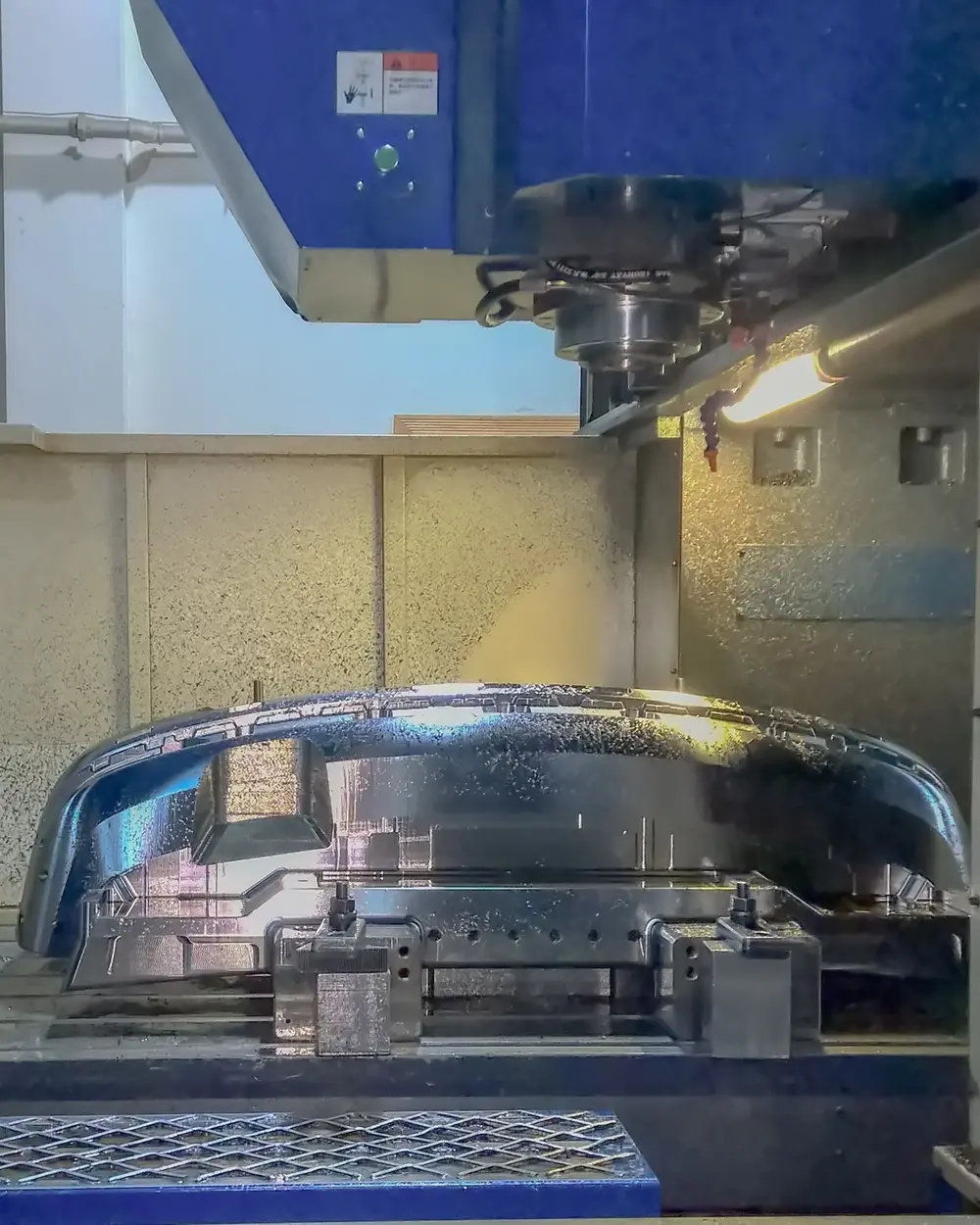
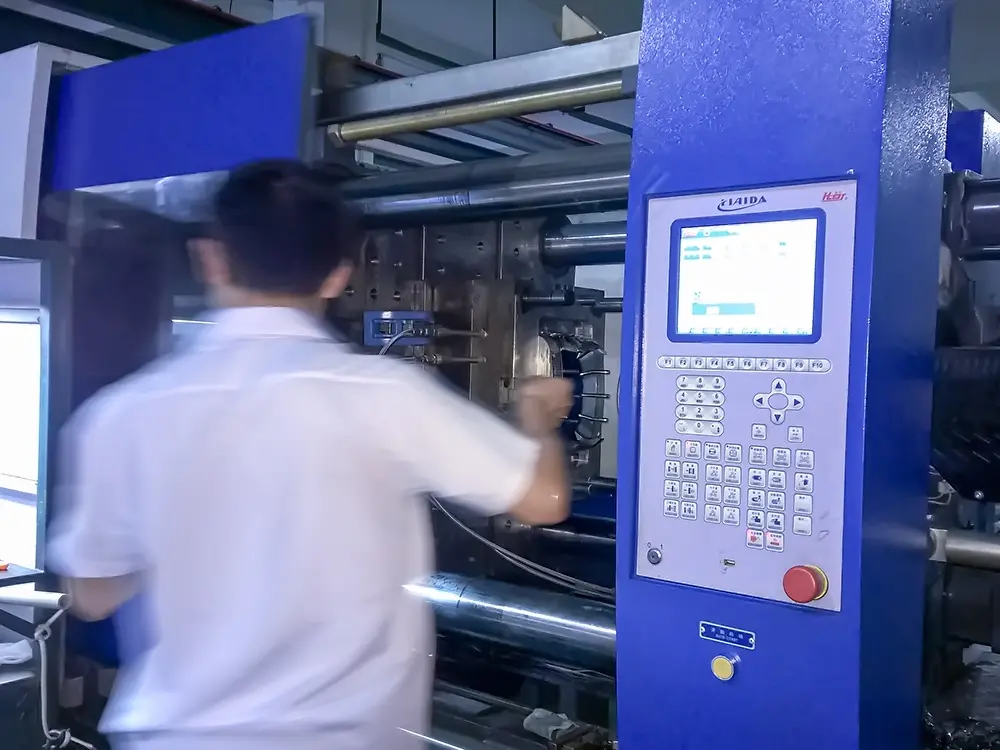
Fitmold supports custom manufacturing projects with equipment for injection mold making, tooling CNC machining, EDM, wire cutting, plastic injection molding, inspection, and production preparation.
Our equipment is used not only to make molds or parts, but also to support DFM review, mold trials, process adjustment, sample approval, quality inspection, and repeat production stability.
For custom manufacturing projects, the value of equipment is not only machining capacity. It supports review, tooling, trial, inspection, production, and future repeat orders.
01
Engineering Review
DFM review, material discussion, tolerance review, and tooling feasibility check.
Equipment and Process Support for Custom Mold and Part Manufacturing
Our equipment and manufacturing resources are arranged around real project needs: mold making, machining, injection molding, inspection, production preparation, and related process support.
Mold Making Equipment
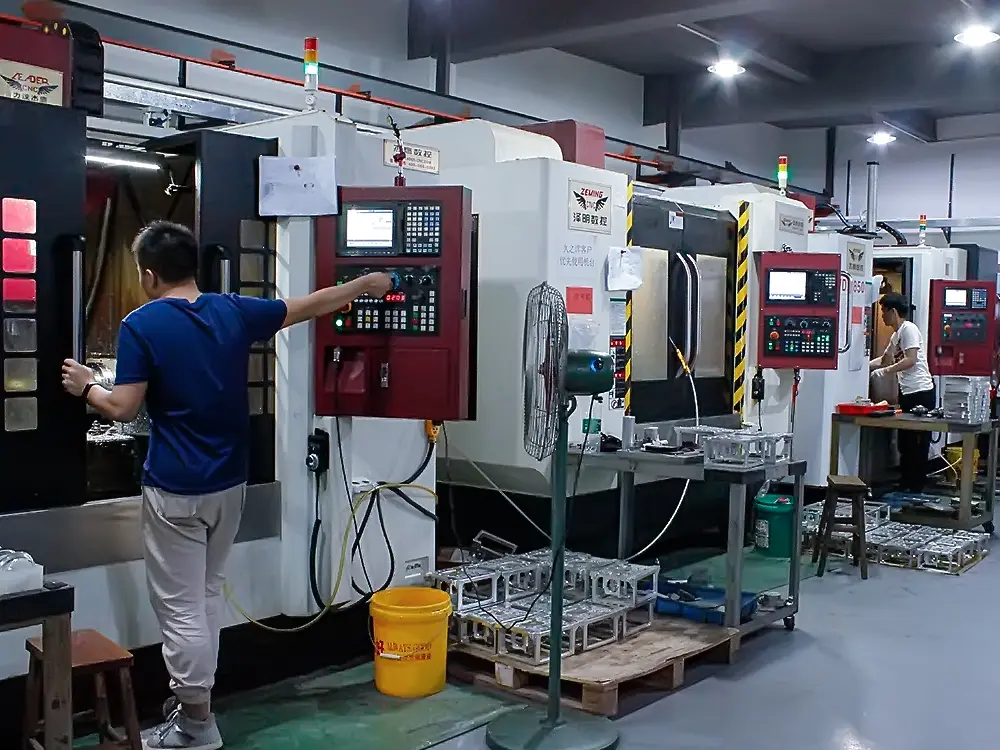
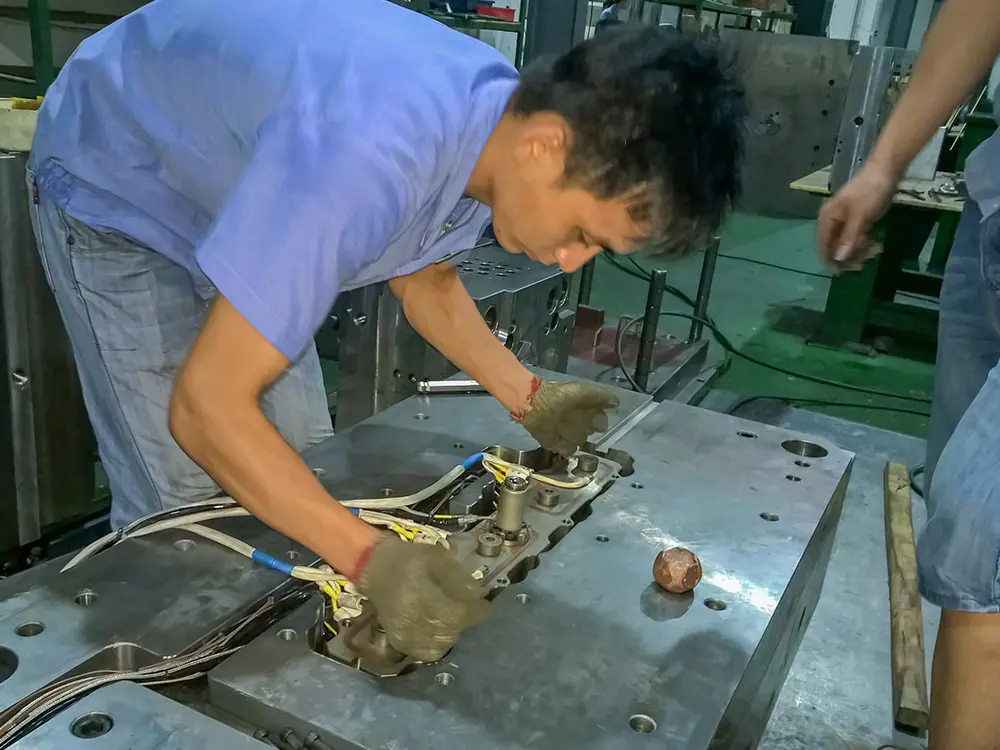
CNC milling, EDM, wire cutting, grinding, drilling, and fitting equipment used for mold bases, cores, cavities, inserts, electrodes, and tooling adjustment.
Injection Molding Equipment
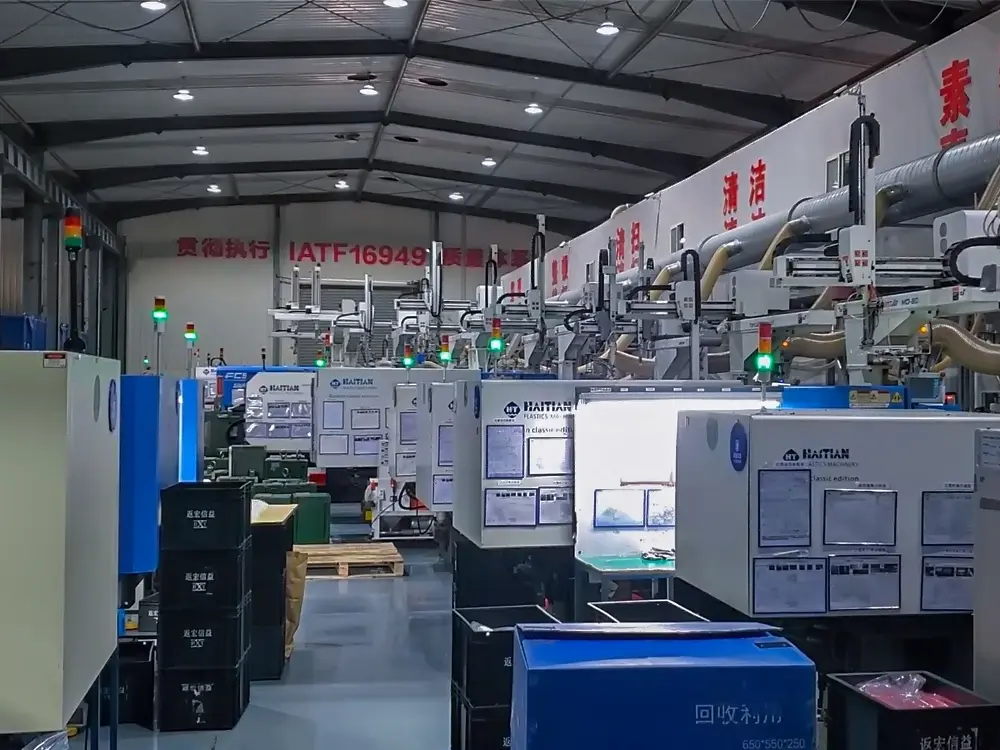
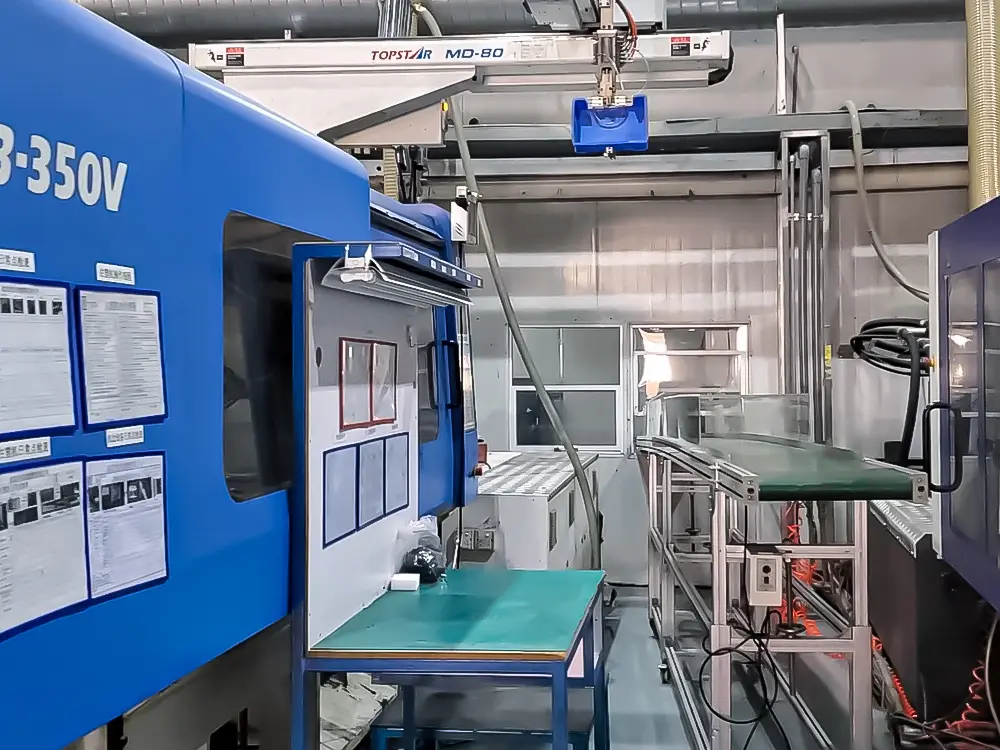
Injection molding machines and auxiliary systems used for mold trials, sample approval, small-batch production, and repeat plastic part manufacturing.
CNC Machining Support
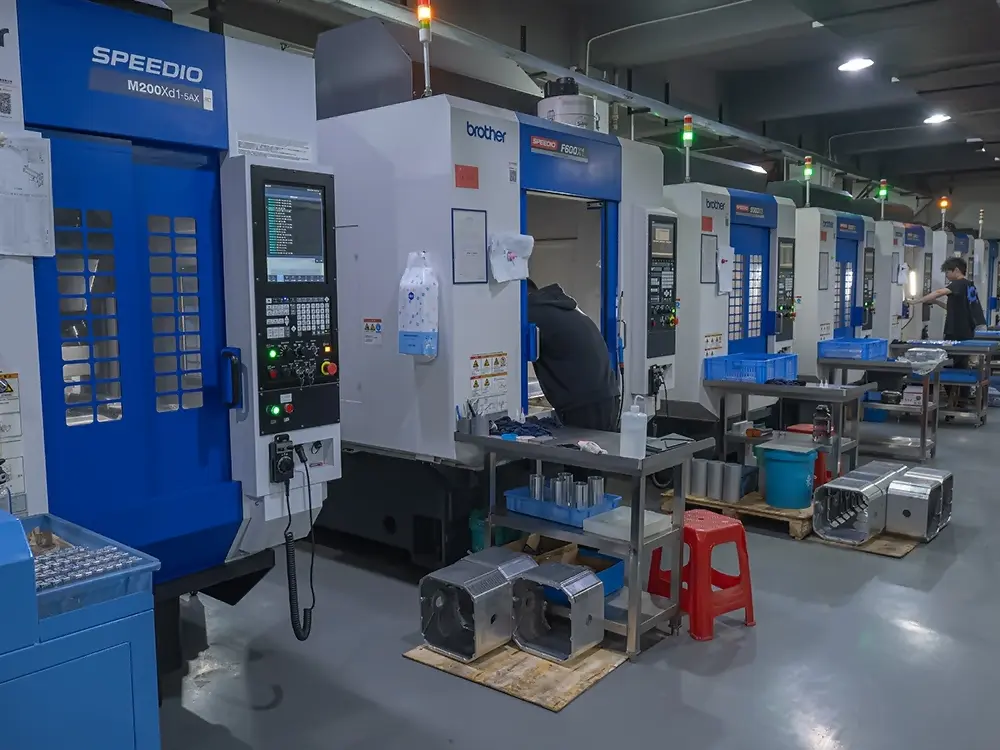
CNC machining support for mold components, inserts, prototype parts, precision metal parts, and custom machined components.
Inspection & Measurement
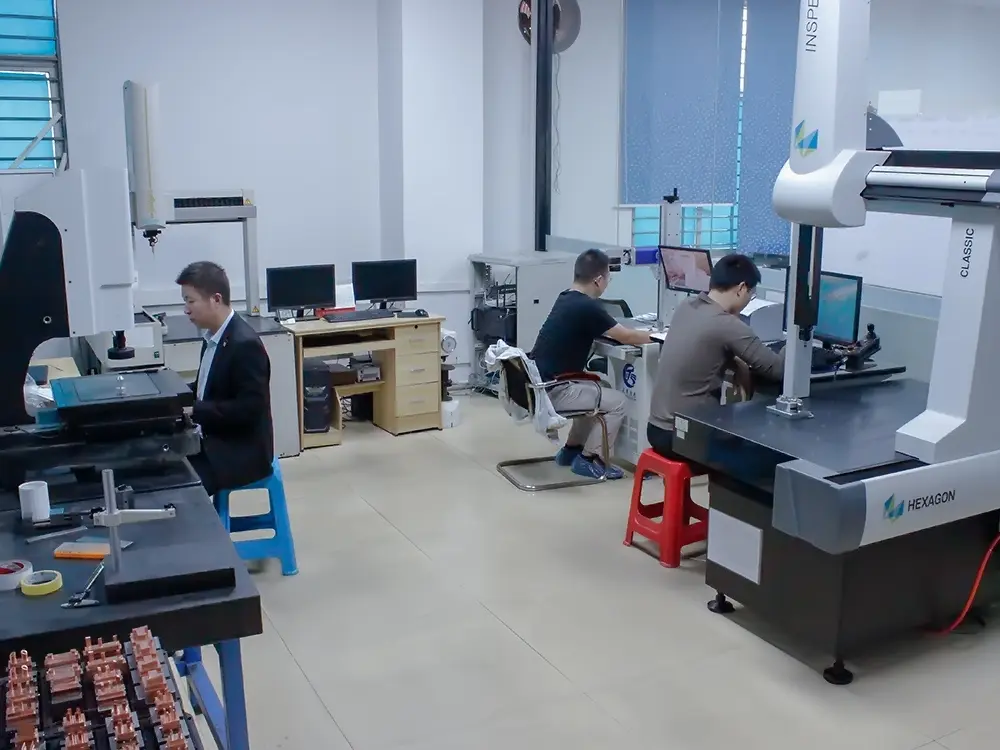
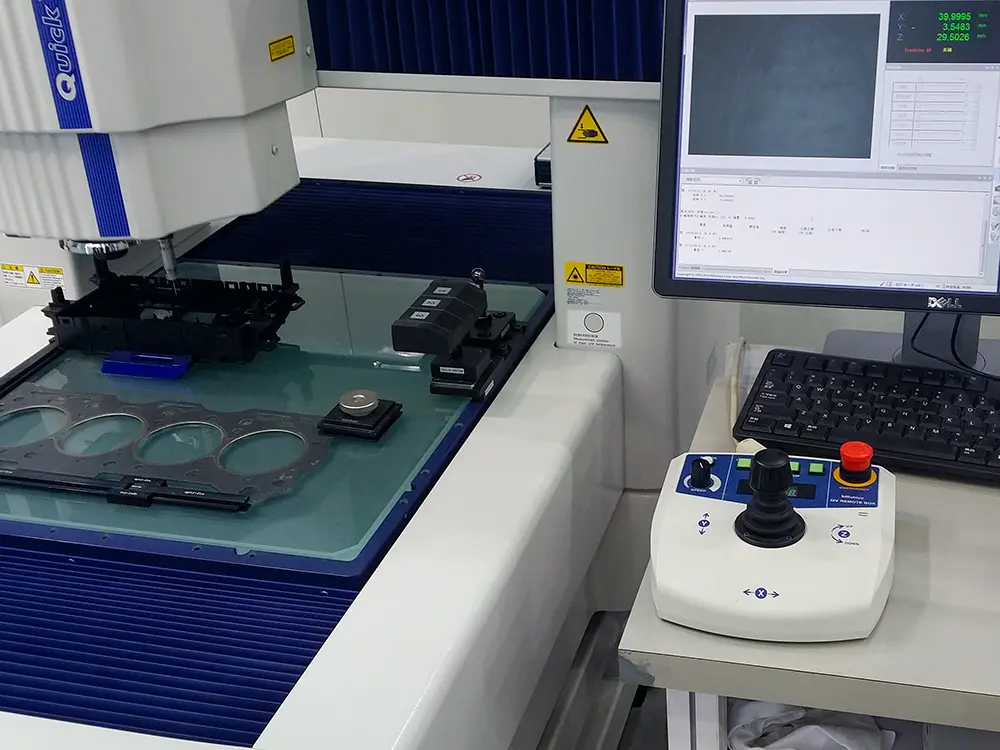
Inspection tools used for dimensional checking, sample review, mold component verification, and production quality control before shipment.
Metal Part Manufacturing Support
Project support for sheet metal stamping, laser cutting, bending, die casting, and related metal part manufacturing when required by the product design.
Rubber, Finishing & Assembly Support
Support for rubber molding-related parts, surface finishing, hardware fitting, assembly checking, packaging, and production preparation.
MOLD MAKING EQUIPMENT
CNC, EDM, Wire Cutting, Grinding, and Tooling Component Support
Mold manufacturing requires different machining processes at each stage. CNC machining is used for mold bases, cores, cavities, plates, and inserts. EDM and wire cutting support sharp corners, deep ribs, precision slots, and complex mold details. Grinding, drilling, milling, and fitting work help complete mold adjustment and preparation before trial.
CNC Machining for Mold Components
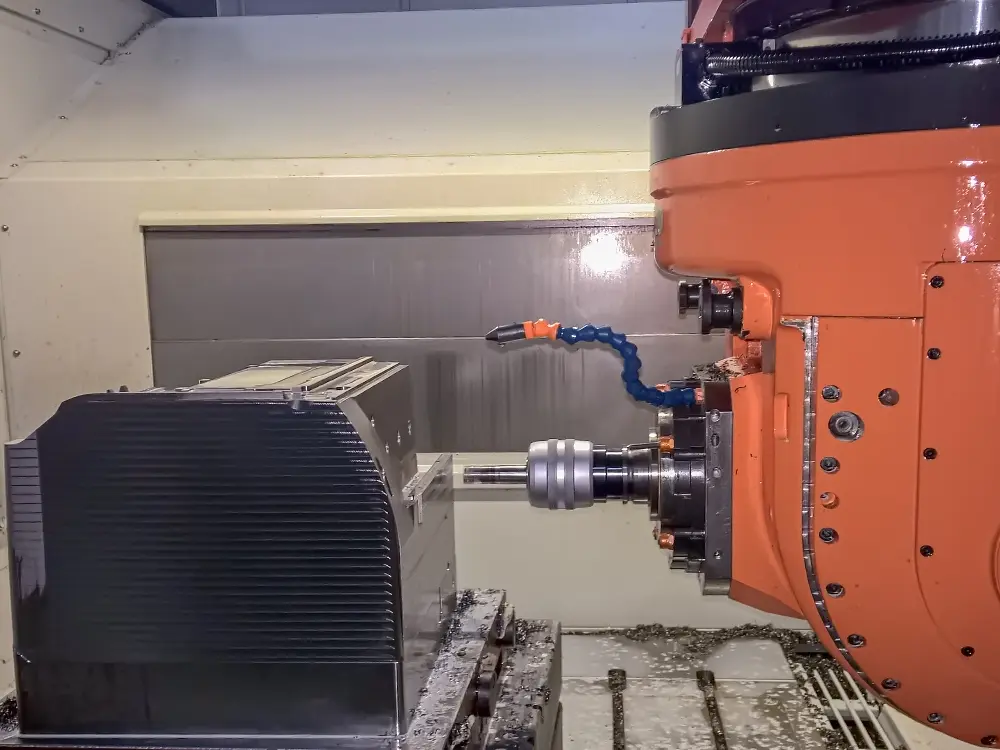
CNC machining is used for mold bases, cores, cavities, inserts, plates, electrodes, and precision tooling components.
EDM & Wire Cutting for Complex Details
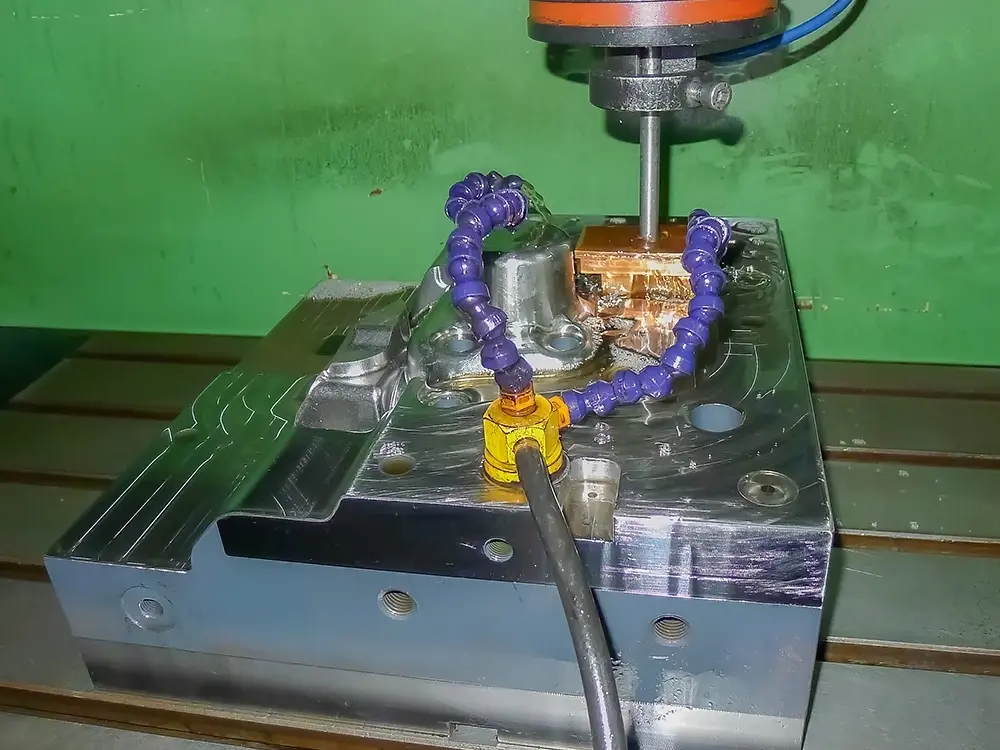
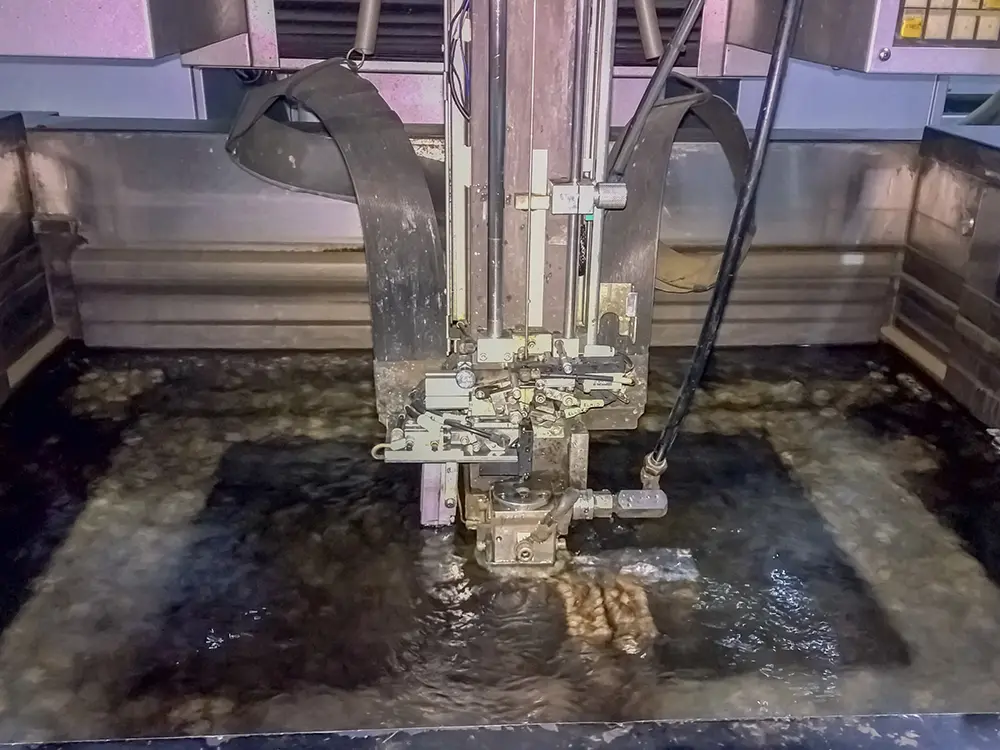
EDM and wire cutting support deep ribs, sharp internal corners, precision slots, fine mold details, and complex tooling structures.
Precision Grinding & Mold Fitting
Grinding, fitting, drilling, milling, and adjustment work help control surface accuracy, mold matching, insert fitting, and trial preparation.
Qualified Mold Component Supply Chain
Standard and specialized mold components such as ejector pins, core pins, hot runners, sliders, lifters, and collapsible cores are selected from qualified suppliers when required by the mold design.
INJECTION MOLDING EQUIPMENT
From Mold Trial to Repeat Plastic Part Production
Fitmold’s injection molding equipment supports mold trials, sample approval, small-batch production, and repeat plastic part manufacturing. Different machine tonnages allow us to handle a range of part sizes, mold structures, materials, and production requirements.
Machine tonnage coverage from 100T to 1600T
Multiple machine sizes for different part and mold requirements
Support for small precision parts and larger plastic components
Mold trial, sample approval, and repeat production support
Auxiliary systems for drying, cooling, mold temperature control, and material handling
INSPECTION & MEASUREMENT EQUIPMENT
Dimensional Checking for Mold Components, Samples, and Production Parts
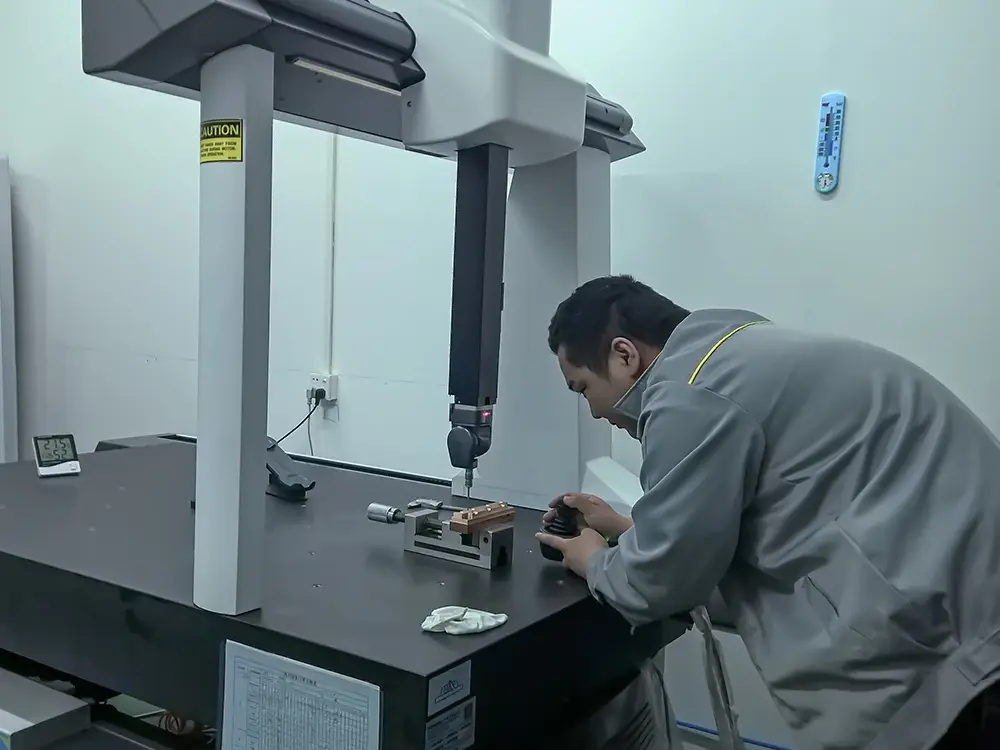
Inspection equipment is used to support dimensional verification, sample checking, mold component review, and production quality control. For custom manufacturing projects, measurement is not only a final step before shipment. It also helps identify tooling, molding, machining, or assembly issues during project development.
CMM inspection for mold components and critical dimensions
Optical measurement for profiles and small precision features
Sample checking before approval
Production inspection before shipment
Dimensional feedback for mold adjustment
RELATED MANUFACTURING SUPPORT
Process Support Beyond Mold Making and Injection Molding
Some projects require more than plastic injection molding or mold making. Depending on the product structure, Fitmold can help review and coordinate related manufacturing processes such as CNC machined parts, sheet metal stamping, laser cutting, bending, die casting, rubber molding-related parts, surface finishing, and assembly preparation.
Custom CNC Machined Parts
Precision metal parts, inserts, prototypes, fixtures, and machined components for custom manufacturing projects.
Sheet Metal Stamping & Forming
Support for stamped brackets, covers, plates, clips, and formed metal parts when tooling or low-volume alternatives are required.
Laser Cutting & Bending
Flexible metal part manufacturing support for lower-volume parts, flat profiles, bent parts, and formed components.
Die Casting Project Support
Review and coordination support for aluminum or zinc die casting parts, including structure review, tooling consideration, and finishing requirements.
Rubber Molding-Related Parts
Support for rubber parts, sealing components, overmolded concepts, material review, and production feasibility discussion.
Surface Finishing & Assembly
Support for painting, powder coating, plating, polishing, hardware fitting, assembly checking, and packaging preparation.
MAIN EQUIPMENT LIST
Equipment Used for Mold Manufacturing, Injection Molding, Inspection, and Production Support
The following equipment supports our mold making, tooling adjustment, injection molding, inspection, and production preparation work. Equipment usage may vary depending on project structure, material, tolerance requirements, part size, and production plan.
CNC Machining Equipment
Used for mold cores, cavities, inserts, mold plates, electrodes, and precision tooling components.
EDM & Wire Cut Equipment
Used for deep cavities, sharp corners, precision slots, fine mold details, mirror EDM finishing, and complex mold structures.
Grinding, Milling, Drilling & Turning Machines
Used for mold component finishing, surface accuracy control, hole processing, fitting preparation, and auxiliary machining.
Inspection & Measurement Equipment
Used for dimensional inspection, profile checking, mold component verification, sample review, and production quality control.
Injection Molding Machines
Used for mold trials, sample approval, plastic part production, and repeat manufacturing support.
Crane, Auxiliary Equipment & Production Support Systems
Used for mold handling, material drying, cooling, mold temperature control, machine loading, and production preparation.
WORKSHOP & PRODUCTION ENVIRONMENT
Real Equipment, Practical Process Support, and Project-Based Manufacturing Work
Our workshop environment supports tooling, mold trial, inspection, production preparation, and project-specific manufacturing coordination.
CNC Machining
EDM Machining
Wire Cutting
Mold Assembly
Injection Molding
Inspection & Measurement
READY TO REVIEW YOUR PROJECT?
Send Us Your Drawings, Samples, or Equipment Requirements
Whether your project requires injection mold making, plastic injection molding, CNC machining, sheet metal stamping, die casting, rubber molding-related parts, finishing, or assembly support, Fitmold can help review the manufacturing path and suggest a practical solution.