Skip to content

Tapping Process: How to Achieve a Perfect Tapped Hole
Tapping is an important machining process used to create internal threads in a drilled hole. Although the process may appear simple, achieving a clean and accurate tapped hole requires proper preparation, correct hole size, suitable tooling, and stable machining control. A poorly executed tapping process can lead to incorrect thread size, rough thread finish, tap breakage, or assembly failure in later stages.
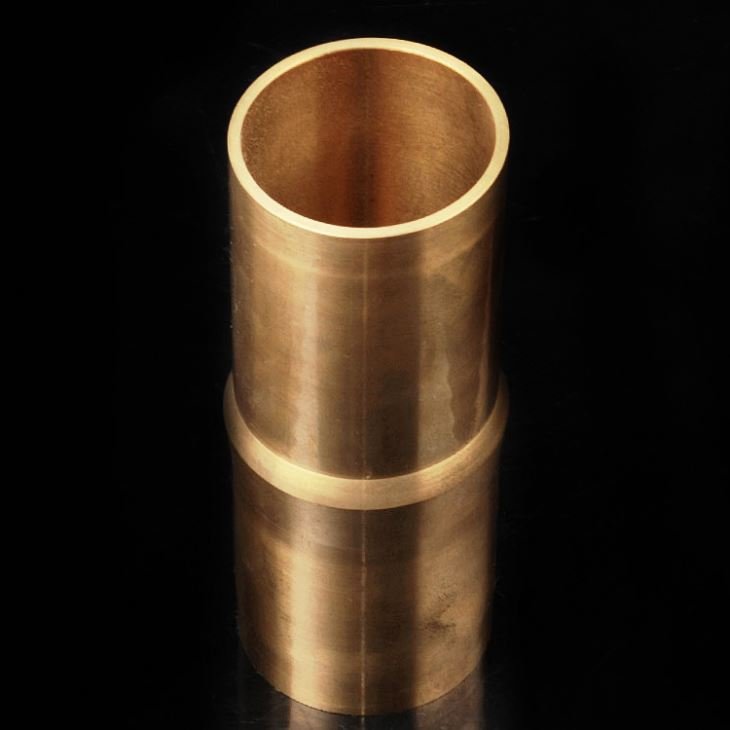
Before tapping holes in bronze cast parts or other metal components, technicians should confirm all critical dimensions and machining requirements in advance. This includes the hole diameter, thread specification, thread depth, material properties, and the condition of the pre-drilled hole. Careful preparation helps reduce errors and improves thread quality.
Why Proper Preparation Matters in Tapping
Tapping is not a process that should be treated casually. If the pre-drilled hole is too small, the tap may experience excessive cutting resistance and may break during machining. If the hole is too large, the final thread may be too shallow or fail to meet the required standard. For this reason, correct drill size selection is one of the most important steps before tapping begins.
In addition to hole size, technicians should also evaluate the material condition, cutting method, lubrication, and tool alignment. These factors affect thread finish, dimensional accuracy, and tap life during production.
Key Factors for a Good Tapped Hole
- Correct Hole Size
Select the correct drill diameter according to the required thread specification and material condition. - Proper Tool Selection
Choose a tap suitable for the material, thread type, and production method. - Stable Machining Control
Maintain proper speed, feed, alignment, and cutting stability during the tapping process. - Lubrication and Chip Control
Use appropriate cutting fluid or lubrication when required to reduce friction and improve thread finish. - Pre-Machining Inspection
Check the drilled hole condition before tapping to avoid thread defects caused by burrs, misalignment, or poor hole quality.
Common Problems in Tapping
Common tapping issues include tap breakage, oversized or undersized threads, poor thread finish, incomplete threads, and alignment errors. These problems are often related to incorrect hole preparation, improper tap selection, poor cutting control, or insufficient lubrication. Careful process planning helps reduce these risks and improves consistency in production.
Machining Support for Precision Threaded Parts
FITMOLD provides machining support for custom metal parts that require accurate drilling, tapping, and finishing processes. Based on part design, material type, and application requirements, we help customers improve manufacturability and achieve more stable production results.
If you are looking for a manufacturing partner for precision machined metal parts and threaded hole processing, FITMOLD can support your project from sample development to production.
Contact us: sales@fitmold.com