Skip to content

During the COVID-19 outbreak, manufacturing operations faced unusual challenges including transportation restrictions, material delays, workforce management, and uncertainty in international supply chains.
Despite these difficulties, our machining work continued for customer projects that required custom precision components.
Maintaining CNC Machining Operations
Production planning had to consider employee safety, material availability, machining schedules, inspection, packaging, and transportation conditions.
For customer projects already in progress, communication became especially important because delivery schedules could be influenced by factors outside the machining process itself.
Customized Aluminum Machined Parts
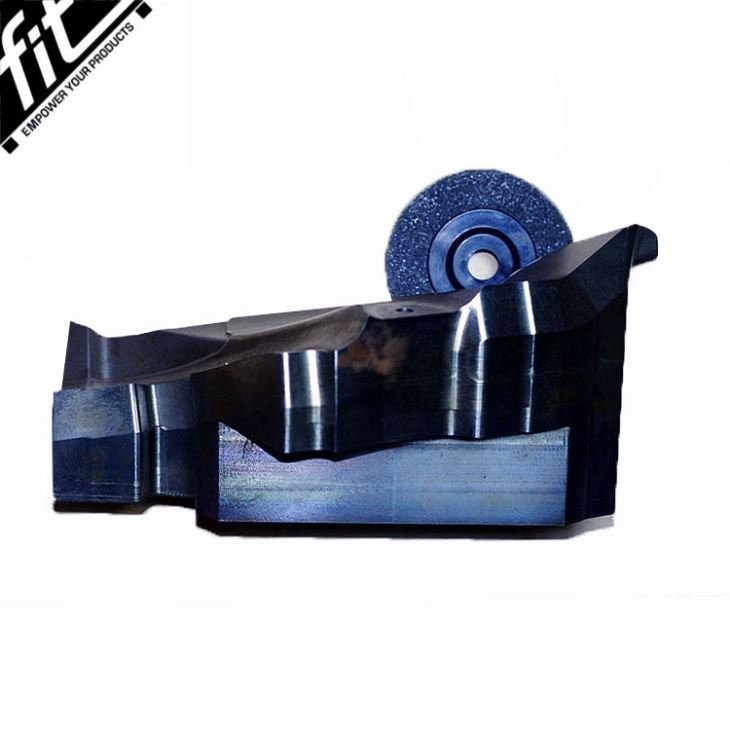
One of the machining activities during this period involved customized aluminum components. CNC machining is suitable for producing complex features, holes, pockets, mounting surfaces, and precision interfaces directly from engineering drawings and 3D models.
Depending on the application, aluminum machined components can also receive anodizing, painting, polishing, or other secondary finishes.
Inspection Before Shipment
Machined parts still require normal dimensional and visual inspection even when production schedules are under pressure.
Critical dimensions should be checked according to the drawing requirements before parts proceed to finishing, assembly, or shipment.
Production Planning During Supply Chain Disruption
The outbreak demonstrated how important it is to allow sufficient time for material preparation, manufacturing, inspection, and logistics.
When transportation capacity or customs processing becomes uncertain, communication between customer and supplier can help prioritize urgent components and reduce unexpected delays.
A Record of Fitmold Manufacturing Activity
This project is part of Fitmold manufacturing history during an unusual period for global industry.
Although manufacturing conditions have since returned to normal, the experience reinforced the importance of flexible production planning, reliable communication, and maintaining quality control even when external conditions are difficult.