
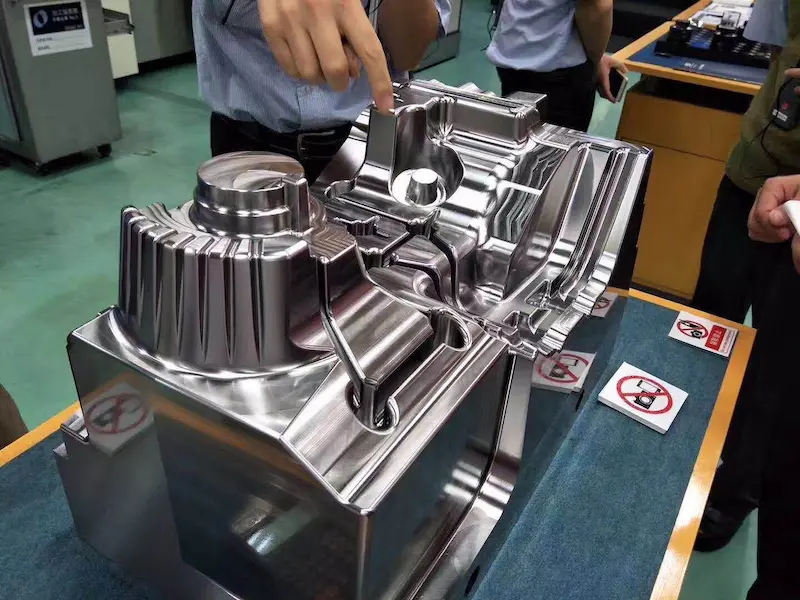
What Is 5 Axis CNC Machining and Why It Is Used for Complex Parts
Five axis CNC machining is an advanced manufacturing process that allows cutting tools or workpieces to move along five different axes at the same time. Compared with conventional 3 axis machining, this method offers greater flexibility for producing complex three-dimensional components with improved precision, fewer setups, and better surface quality.
How 5 Axis CNC Machining Works
Standard CNC systems typically move along three linear axes known as X, Y, and Z. A 5 axis CNC system adds two rotational axes, allowing the tool or the workpiece to tilt and rotate during machining. This extra movement makes it possible to reach complex surfaces and difficult angles that would be hard or impossible to machine efficiently with a traditional 3 axis setup.
Why 5 Axis Machining Is Important
5 axis CNC machining is especially useful for parts with complex geometry, deep cavities, curved surfaces, and tight tolerance requirements. Because the machine can access multiple sides of the part in one setup, it helps reduce repositioning errors, improve dimensional consistency, and shorten total production time.
Typical Parts Made with 5 Axis CNC Machining
This technology is commonly used for highly complex parts such as turbine blades, impellers, aerospace components, medical parts, and tooling for plastic injection molding. In mold making, 5 axis machining is valuable for producing detailed mold cavities, electrodes, and other precision tooling components that require accurate contour machining.
Industries That Use 5 Axis CNC Machining
5 axis CNC machining is widely used in aerospace, oil and gas, medical, energy, woodworking, and mold manufacturing industries. These sectors often require intricate parts with high accuracy, reliable repeatability, and strong surface finish control, making 5 axis technology an important production solution.
Main Advantages of 5 Axis CNC Machining
One of the main benefits of 5 axis machining is the ability to process complex parts in fewer operations. This improves efficiency and reduces fixture changes. It can also help extend tool life by allowing better cutting angles and more stable machining conditions. For manufacturers working on high-precision or high-value components, 5 axis CNC machining provides a practical advantage in both quality and productivity.
Conclusion
5 axis CNC machining is designed for producing complex parts that require multi-angle access, high precision, and efficient processing. By combining three linear axes with two rotational axes, it enables manufacturers to machine advanced components more accurately and with fewer setups, making it a key technology in modern precision manufacturing.