Skip to content

What Is Ultrasonic Welding and How It Joins Plastic and Metal Parts
Ultrasonic welding is an industrial joining process that uses high-frequency acoustic vibrations to bond two plastic or metal parts together quickly and precisely. It is widely used in manufacturing because it creates clean, reliable joints without requiring screws, adhesives, or long heating cycles.
During the process, one part is placed on a fixed anvil while the second part is positioned on top. A horn connected to a transducer then applies very rapid, low-amplitude vibrations to a small welding zone. The friction generated by this vibration converts acoustic energy into heat energy, allowing the materials to bond together in less than one second.
1. How Ultrasonic Welding Works
In ultrasonic welding, the parts to be joined are held together under pressure while high-frequency vibrations are applied to the contact area. These vibrations create localized friction at the interface between the two components.
The friction quickly generates enough heat to soften or fuse the material at the joint area. Once the vibration stops, the parts remain under pressure for a short time so the welded area can solidify and form a strong bond.
2. Main Components of the Ultrasonic Welding Process
A typical ultrasonic welding setup includes several key elements:
- A fixed anvil to support the lower part
- A horn or sonotrode to deliver vibration
- A transducer to convert electrical energy into mechanical vibration
- A controlled welding zone where the joint is formed
This controlled setup makes ultrasonic welding highly suitable for precision assembly applications.
3. Advantages of Ultrasonic Welding
Ultrasonic welding offers several important benefits in modern manufacturing:
- Fast welding cycle, often less than one second
- Clean joining process without extra fasteners
- Suitable for precision plastic components
- Localized heating reduces damage to surrounding areas
- Reliable and repeatable bonding quality
Because the heat is generated only at the joint interface, the process is efficient and well suited for high-volume production.
4. Common Applications of Ultrasonic Welding
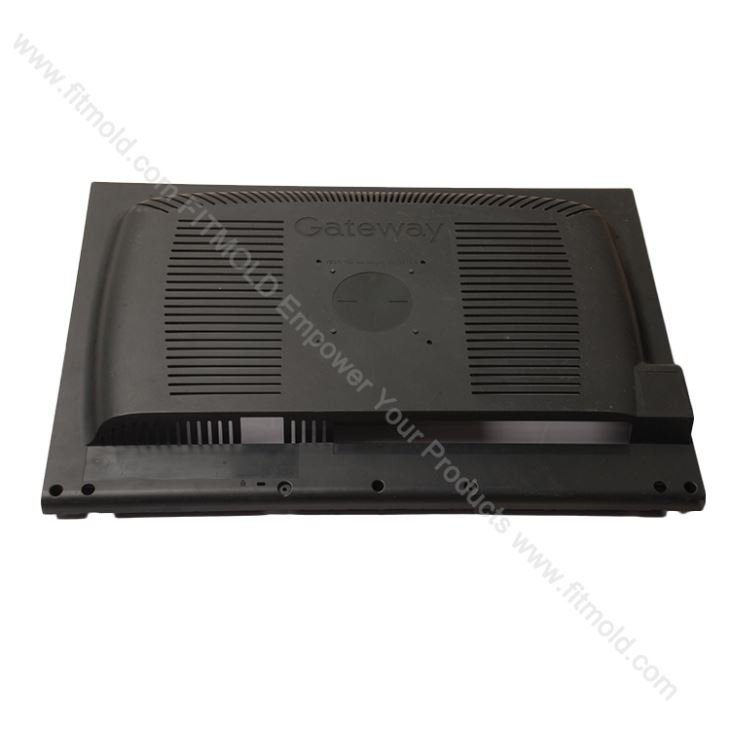
Ultrasonic welding is widely used in products that require clean, accurate, and efficient assembly. Common applications include plastic housings, automotive components, medical devices, consumer electronics, packaging parts, and certain thin metal joining applications.
It is especially useful for plastic components that need strong joining performance with minimal visible marks and short production cycles.
5. Why Ultrasonic Welding Is Important in Manufacturing
As manufacturers look for faster and cleaner assembly methods, ultrasonic welding remains an important joining technology for both plastic and selected metal components. Its ability to create precise welded joints in a fraction of a second makes it highly valuable in modern industrial production.