Skip to content
What Is Rubber Injection Molding and Where It Is Used
Rubber injection molding is a manufacturing process used to produce rubber parts with consistent shape, high precision, and repeatable quality. It is especially suitable for small rubber components, detailed geometries, and parts that must fit accurately inside other assemblies.
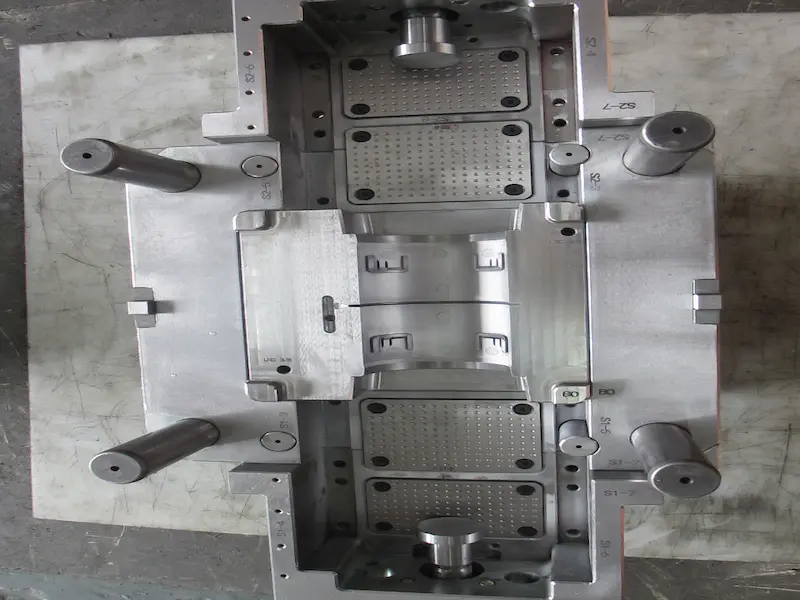
In this process, prepared rubber material is injected into a mold cavity under controlled pressure and temperature. After molding and curing, the finished rubber part is removed from the mold and used in a wide range of industrial and mechanical applications.
1. Why Rubber Injection Molding Is Used
Rubber injection molding is ideal for parts that require dimensional consistency, fine detail, and reliable production efficiency. Compared with simpler forming methods, it offers better control over part shape and is well suited for repeated production of precision rubber components.
This process is often selected when the product must meet tight fit requirements, work inside mechanical assemblies, or maintain stable sealing and elasticity in service.
2. Common Applications of Rubber Injection Molded Parts
Rubber injection molded parts are widely used in many mechanical and industrial products. Typical applications include:
- Seals and gaskets
- Rubber bushings
- Protective covers
- Shock-absorbing components
- Small rubber inserts used inside larger assemblies
Because rubber materials offer flexibility, sealing performance, and vibration resistance, they are commonly used in equipment, machinery, automotive components, and other engineered products.
3. Rubber Injection Molding Equipment
A rubber injection molding machine is typically used in a press shop or industrial manufacturing environment. The machine injects rubber material into the mold under controlled processing conditions so the part can be formed accurately and cured efficiently.
With the right mold design and material selection, rubber injection molding can support stable production of high-quality parts for both functional and sealing applications.
4. Advantages of Rubber Injection Molding
Rubber injection molding offers several practical benefits in manufacturing:
- Suitable for small and precise rubber parts
- Good repeatability in mass production
- Can produce parts for assembly fit applications
- Supports efficient molding of detailed rubber components
- Widely used in industrial and mechanical products
For manufacturers that need consistent rubber parts with good fit and reliable performance, rubber injection molding remains an effective and widely used process.