Skip to content

What Is Mechanical Manufacturing Engineering in Product Design and Assembly
Mechanical manufacturing engineering is a product development approach that focuses on designing products as assemblies made from multiple component parts. It combines product design, engineering analysis, manufacturing planning, and assembly thinking to ensure that a product can be produced efficiently and assembled correctly into a finished unit.
In this process, the design team must consider not only how the product should function, but also how each part will be manufactured, fitted, and assembled during production. This makes mechanical manufacturing engineering an important discipline in turning a product concept into a manufacturable and reliable final product.
1. Mechanical Manufacturing Engineering as a Product Design Method
Mechanical manufacturing engineering is closely related to product design because it treats the product as a complete system made of multiple individual components. Instead of designing only the final shape, engineers must define how the product will be broken down into parts, how those parts will be made, and how they will work together after assembly.
This method is widely used for machinery, industrial equipment, consumer products, tools, automotive components, and other products that require precise part interaction.
2. Designing for Assembly
One of the key aspects of mechanical manufacturing engineering is designing for assembly. During the design stage, the engineering team must carefully consider how the product will be put together in actual production.
This includes evaluating:
- How many parts are needed
- How each part connects to the others
- What assembly sequence should be used
- Whether the assembly process is efficient and reliable
- How the design affects manufacturing cost and production time
A well-designed product should not only meet functional requirements, but also be practical to manufacture and assemble.
3. From Prototype to Component Breakdown
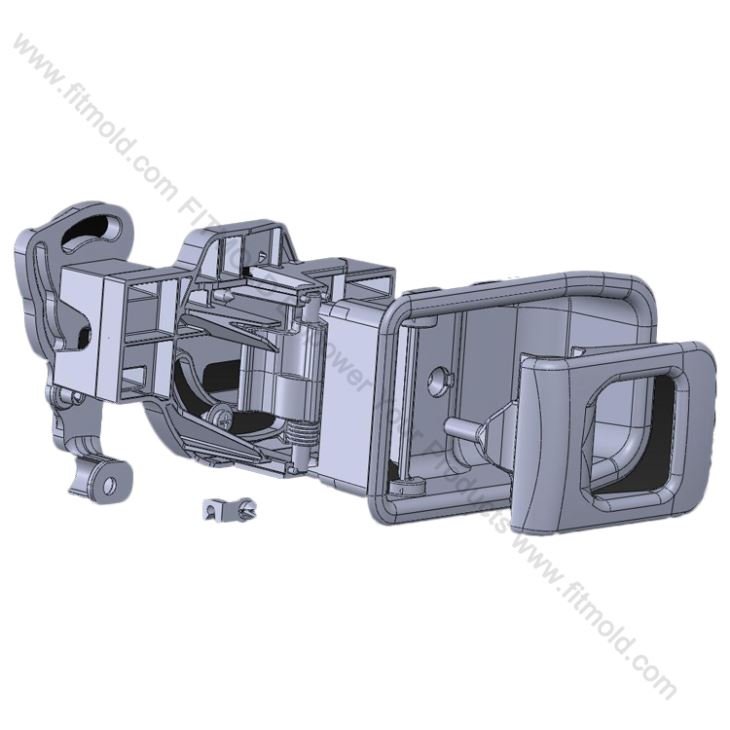
In the mechanical manufacturing engineering process, a product prototype is first created based on the required function and design concept. The prototype is then analyzed and divided into its component parts.
Each part is reviewed for its geometry, material, manufacturing method, tolerance requirement, and role in the overall assembly. This breakdown helps engineers define how the product can be manufactured in a structured and repeatable way.
4. Reassembly into the Final Product
After the product has been divided into components, the parts are reassembled according to a predetermined assembly plan. This plan defines the correct sequence and method for building the finished product.
The purpose of this stage is to confirm that the design is practical, the assembly logic is correct, and the product can be consistently produced with the required quality and performance.
5. Why Mechanical Manufacturing Engineering Matters
Mechanical manufacturing engineering helps bridge the gap between product design and actual production. By considering part structure, manufacturing feasibility, and assembly requirements early in development, companies can reduce production problems, improve product quality, and shorten the path from concept to finished product.
For products built from multiple parts, this engineering approach is essential for achieving efficient manufacturing, stable assembly, and reliable final performance.