Skip to content

Common Causes of Stamping Die Damage and How to Prevent Mold Failure
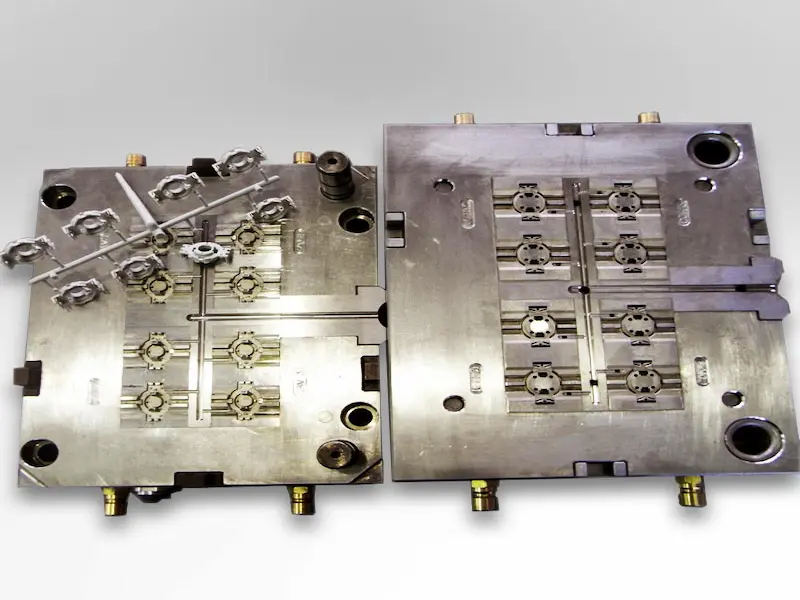
Stamping dies are special process tools used in cold stamping operations to form raw materials into parts or semi-finished products. In metal stamping production, the die works together with the press to apply force to the material at room temperature, causing separation or plastic deformation to create the required shape.
Because stamping dies operate under repeated pressure and impact, mold failure is one of the most common problems in stamping production. Die damage can lead to production stoppages, quality issues, higher maintenance costs, and delays in delivery schedules.
1. What Die Damage Looks Like in Stamping Production
Common forms of stamping die damage include cracking, breaking, chipping, and opening of critical mold components. Once a die is damaged, production efficiency and part quality can be affected immediately.
To solve these problems effectively, the causes must be analyzed from three main aspects: mold design, mold manufacturing, and mold use during production.
2. Mold Material and Heat Treatment Problems
One of the first areas to review after die damage is the mold material and heat treatment process. If the selected material is not suitable for the stamping application, the die may not have enough strength, toughness, or wear resistance.
Heat treatment also has a major influence on die life. If the quenching temperature is too high, the quenching method is inappropriate, the holding time is incorrect, or tempering conditions are not properly controlled, the die may become too brittle or unstable for production use.
Improper heat treatment can make the die more likely to crack or break after entering stamping production.
3. Mold Design Defects
Some mold failures are caused by design problems. For example, if the blanking hole size or depth is not sufficient, waste material may block the opening and damage the blanking plate during continued operation.
If spring force is too small, or if spring sets have unequal installed height, the spring may break or tilt the stripper plate, causing overlapping punching and damage to the die components.
Improper punch fixing or insufficient screw strength can also cause the punch to loosen, fall out, or fracture during operation.
4. Problems During Mold Installation and Use
Even a well-designed and well-manufactured die can fail if it is used incorrectly. Common operational causes of die damage include incorrect installation position, wrong mounting direction, loose bolts, insufficient guide column lubrication, and improper work height adjustment.
If the shut height is adjusted too low, abnormal interference may occur inside the die, increasing the risk of damage to punches, templates, and guide components.
5. Equipment and Feeding Problems
Failures in the feeding system or abnormal press operation can also damage the stamping die. If material is not fed correctly, or if the press does not operate with proper accuracy and synchronization, the die may experience overload, off-center force, or repeated impact in unintended areas.
These conditions greatly increase the chance of cracking, chipping, or structural failure in the tooling.
6. Foreign Matter, Scrap Buildup, and Overlapping Parts
Another important cause of die damage is poor production housekeeping. If foreign matter enters the die, if parts overlap, or if scrap is not removed in time, continued stamping can quickly damage the blanking plate, punch, template, and guide post.
Scrap blockage is especially dangerous because it creates abnormal force inside the tooling and can cause sudden breakage of critical die components.
7. Find the Cause Quickly and Repair Reasonably
When die failure occurs, the cause should be identified as quickly as possible so that a suitable repair plan can be made. Blindly continuing production or repairing without proper analysis may lead to repeated damage and longer downtime.
By reviewing mold design, material selection, heat treatment, installation accuracy, lubrication, press condition, and scrap handling, manufacturers can reduce die failures and maintain more stable stamping production.