Skip to content

Post-Molding Correction and Proper Packaging for Injection Molded Parts
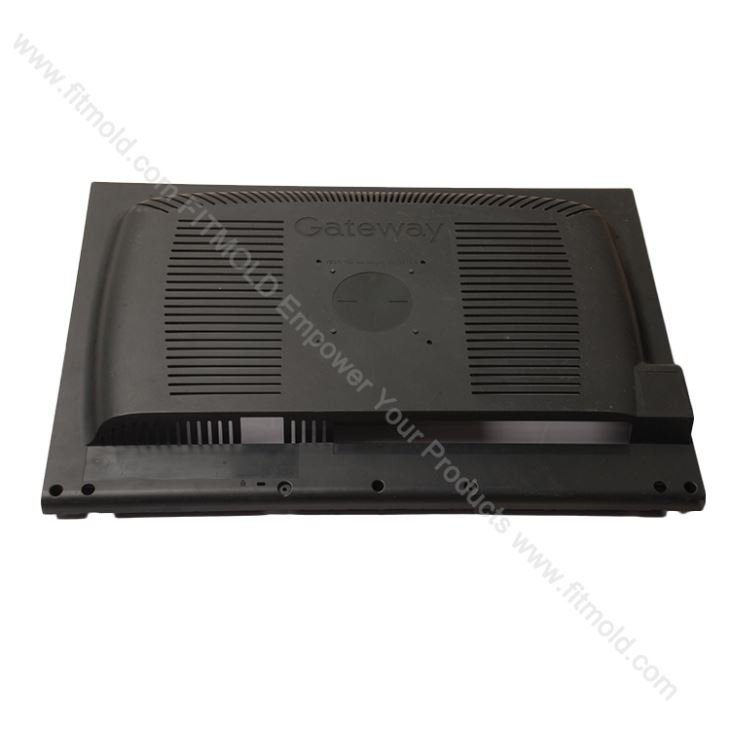
When injection molded parts do not achieve the desired flatness or dimensional stability after molding, post-molding correction may be used as a practical solution. This method requires proper fixture design, temperature control, and careful handling after demolding. In addition, packaging and placement are also critical, because even well-corrected molded parts can deform again if they are stored improperly.
1. Use Fixtures While the Part Is Still Hot
For post-molding correction to be effective, the injection molded part should be placed into a correction fixture while it is still at an elevated temperature. The part should remain hot after demolding, because this condition is critical for successful reshaping.
The fixture must be designed according to the geometry and deformation characteristics of the molded part. A proper correction fixture helps control shape during cooling and improves dimensional consistency after release.
2. Consider Springback During Correction
When performing post-molding correction, springback must always be taken into account. In most cases, the molded part will continue to rebound for up to 12 hours after correction.
Lower mold temperature generally leads to greater springback. For this reason, the correction amount cannot simply match the current deformation. It usually needs to be slightly overcorrected to compensate for the rebound that occurs during cooling and stabilization.
In actual production, the required correction force and correction amount should be verified through trial production and repeated measurement.
3. Fixture Design Is Critical
The success of post-molding correction depends heavily on fixture design. The fixture should match the product shape, support key areas properly, and apply correction force in a controlled way.
Without a suitable fixture, the part may not hold its corrected shape, or new deformation may appear in unsupported areas. This is why post-molding correction usually requires practical experience and careful fixture development.
4. Packaging and Placement Also Affect Final Shape
Even after successful correction, improper packaging and storage can cause injection molded parts to deform again. Packaging and placement must therefore be treated as part of the overall deformation control process.
In general, molded parts can often be packed sideways, but the exact placement method should depend on the part shape and support condition.
The molded parts should not press against each other, and no section of the part should be left unsupported during storage. If parts are stacked improperly or partially suspended, they may begin to deform again after a few days.
5. Control Deformation After Molding
To improve the final dimensional stability of injection molded parts, manufacturers should combine post-molding correction, suitable fixture design, springback compensation, and proper packaging methods. Only by controlling both the correction process and the subsequent storage condition can deformation be reduced effectively.