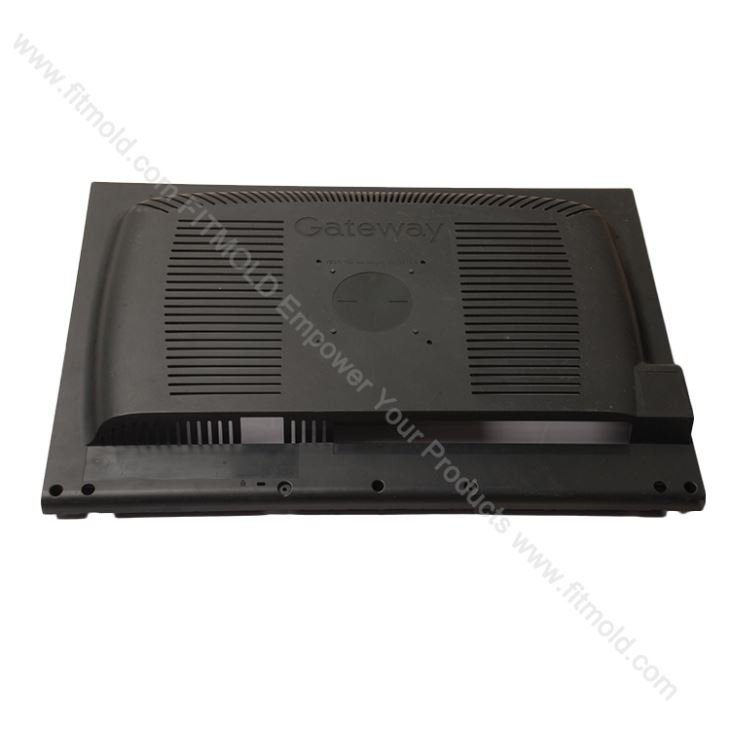
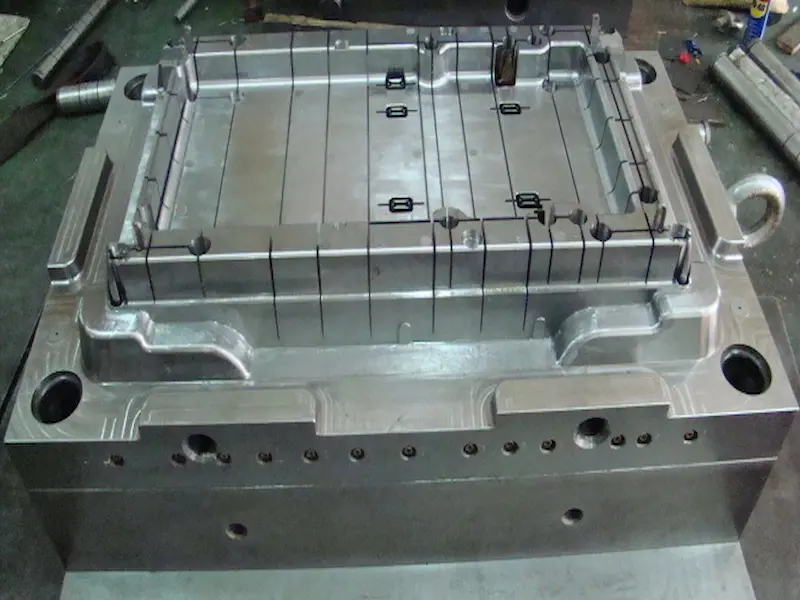
Advantages of Complex Automotive Plastic Parts and the Role of Moldflow Analysis
Complex automotive plastic parts are widely used because they offer manufacturing efficiency, lightweight performance, corrosion resistance, and flexible design possibilities. As vehicle design continues to evolve, plastic components are increasingly used in interior, exterior, and functional applications where both appearance and engineering performance matter.
1. Efficient One-Step Processing
One major advantage of automotive plastic parts is that they can often be processed in a single molding operation. This helps shorten production time while maintaining good dimensional accuracy and repeatability. Compared with multi-step fabrication methods, injection molding allows efficient production of complex shapes with consistent quality.
2. Better Impact Absorption and Passenger Protection
Plastic materials have elastic deformation characteristics that allow them to absorb a large amount of collision energy. This gives them an important buffering effect under impact, which helps protect both the vehicle structure and the occupants.
In modern vehicles, plastic dashboards and steering wheel components are used to improve cushioning performance. Front and rear bumpers, as well as body trim parts, are often made of plastic to reduce the effect of external impact on the vehicle body. Plastic materials can also absorb vibration and reduce noise, which improves ride comfort.
3. Corrosion Resistance
Plastic automotive parts offer strong corrosion resistance. Unlike metal components, local surface damage on plastic parts does not lead to rusting or ongoing corrosion, which improves durability in many vehicle environments.
4. Flexible Material Modification and Color Options
Another important advantage of plastic is that its properties can be adjusted by adding fillers, plasticizers, hardeners, and other modifiers. This makes it easier to meet the requirements of different automotive parts, including stiffness, toughness, appearance, and performance targets.
Plastic color can also be changed directly through additives, allowing manufacturers to produce parts in different colors without always requiring painting. Some plastic parts can also be electroplated when decorative or functional surface finishes are needed.
5. Higher Development Demands for Complex Automotive Injection Molded Parts
Although automotive plastic parts offer many advantages, complex automotive components also place higher demands on product development. Special requirements for appearance, dimensional accuracy, and overall part size increase both the technical threshold and development risk for automotive injection molded parts.
6. The Role of Moldflow Analysis
Moldflow 3D analysis software helps manufacturers evaluate the molding feasibility of automotive plastic parts during the product design stage. By analyzing filling behavior, deformation, and molding process conditions, Moldflow can support design optimization before tooling is built.
This helps engineering teams reduce development risk, improve part design, and provide useful guidance for downstream mold design and injection molding process optimization.
Conclusion
Automotive complex plastic parts provide clear advantages in processing efficiency, impact absorption, corrosion resistance, weight optimization, and design flexibility. At the same time, their development requires strong engineering support to meet appearance and dimensional requirements.
With the help of Moldflow analysis, manufacturers can improve design feasibility, optimize molding performance, and reduce the risks associated with developing complex automotive injection molded parts.