Skip to content

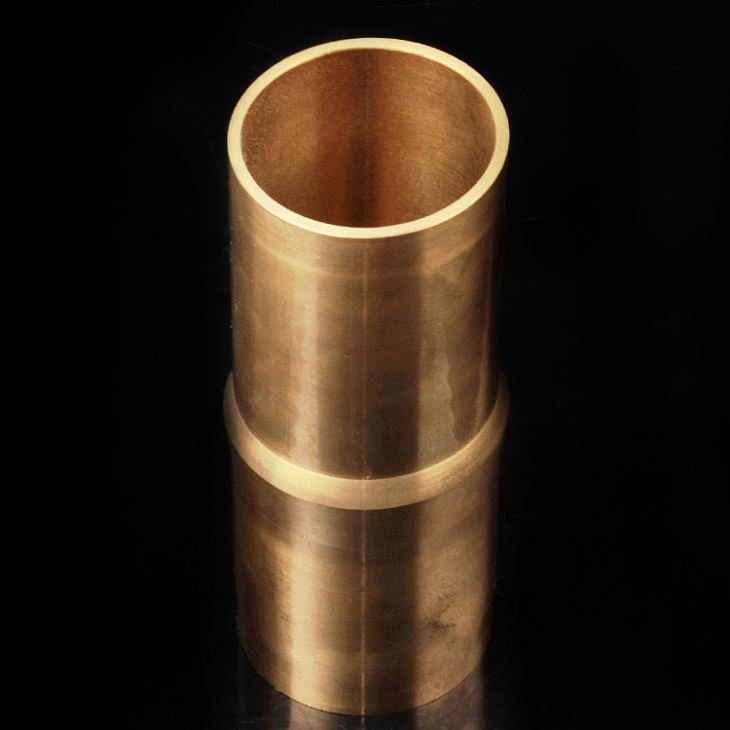
Brass is widely used for precision machined components because it combines good machinability with corrosion resistance, electrical conductivity, and an attractive surface appearance.
CNC machining can produce custom brass parts for industrial equipment, electronics, fluid systems, instruments, fittings, and other applications.
Why Brass Is Suitable for CNC Machining
Many brass grades machine efficiently and can produce clean edges and good surface quality. The appropriate grade should be selected according to mechanical, electrical, corrosion, regulatory, and appearance requirements.
Typical Brass CNC Components
- Threaded fittings
- Bushings and sleeves
- Electrical contacts
- Valve components
- Precision inserts
- Connectors
- Custom shafts and spacers
- Instrument components
CNC Turning and Milling
Round parts such as shafts, fittings, sleeves, and threaded components are commonly produced by CNC turning. Milling can be used for flats, slots, holes, pockets, and more complex geometry.
Some components require both turning and milling operations to complete all features.
Tolerance Control
Machining tolerance depends on part size, geometry, material condition, feature accessibility, and inspection requirements.
Critical dimensions should be clearly identified on the drawing. Unnecessarily tight tolerances can increase machining and inspection cost without improving product function.
Threaded Features
Brass parts frequently contain internal or external threads. Thread specification, engagement length, tolerance, and mating component requirements should be confirmed before production.
Surface Finishing
Depending on the application, brass components may be used in the machined condition or receive polishing, plating, passivation, cleaning, or other secondary finishing.
Surface requirements should be considered together with dimensional tolerances because some finishing processes can influence final dimensions.
Inspection
Inspection methods may include calipers, micrometers, gauges, thread gauges, optical measurement, or CMM depending on part complexity and tolerance requirements.
Custom Brass Machining Projects
For custom CNC components, manufacturability should be reviewed before production. Material specification, tolerance, surface finish, quantity, inspection requirements, and secondary operations all influence the final manufacturing plan.
A clear drawing and 3D model help reduce ambiguity and allow machining operations to be planned efficiently.