
How 3D Printing Solution Providers Support Product Development and Industrial Innovation
The rapid growth of the 3D printing market has accelerated technological development across many industries. As more companies explore additive manufacturing, the need for practical application support, material guidance, and production planning has become increasingly important. However, many businesses that want to adopt 3D printing still lack a clear understanding of how the technology fits into real product development and manufacturing workflows.
For this reason, 3D printing solution providers are playing a growing role in helping companies move from concept to production. Rather than only supplying printers or materials, these providers often offer end-to-end support that covers design evaluation, material selection, prototyping strategy, production planning, and process consultation.
1. Growing Demand for Complete 3D Printing Solutions
As the 3D printing market continues to expand, manufacturers and product developers are looking for more than just equipment. They need practical guidance on how to choose the right technology, which materials are suitable, and how to integrate additive manufacturing into product development or industrial production.
This creates opportunities for companies that can provide complete 3D printing solutions, including technical consulting, material recommendations, custom filament or wire development, and support for product manufacturing planning.
2. From Product Idea to Manufacturing Support
When a company plans to use 3D printing for a new part or product, the challenge often begins at the earliest stage. In many cases, the customer only knows the functional requirements of the final part, but does not yet know which design approach, material, or production process should be used.
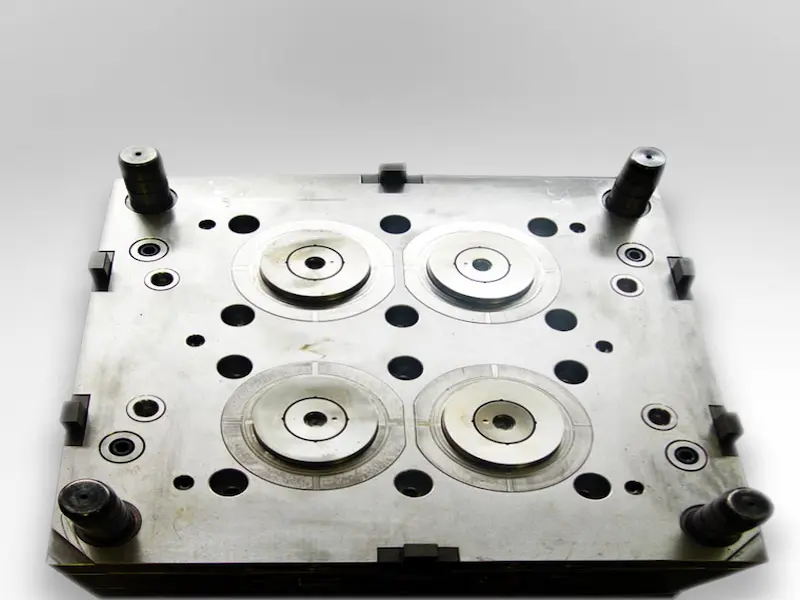
A professional 3D printing solution provider can support the project from the beginning by helping evaluate part design, select suitable materials, and determine whether the part is best suited for prototyping, low-volume production, or further transition to mold-based manufacturing.
3. Material Selection and Custom Development
Material selection is one of the most important aspects of 3D printing applications. Different parts require different performance characteristics such as strength, flexibility, temperature resistance, dimensional stability, or surface finish.
Solution providers can help customers choose standard printable materials or develop custom wire and material options for specialized applications. This support is especially valuable when a project requires functional testing, performance validation, or a clear path from prototype to mass production.
4. Integrated Support Across the Development Process
In many industrial projects, 3D printing is only one part of the overall development chain. A complete solution may also involve design optimization, mold design planning, production process review, and logistics support.
By working closely with customers throughout the project, a solution provider can help ensure that the selected 3D printing approach supports the final manufacturing goal, whether that means prototype validation, bridge production, or preparation for tooling and full-scale manufacturing.
5. Supporting Industrial Innovation with Practical Application Expertise
The continued development of the 3D printing market depends not only on better equipment, but also on better understanding of how to apply the technology effectively. Companies that provide all-round support can help customers reduce development risk, improve decision-making, and accelerate industrial innovation through more practical adoption of additive manufacturing.
As a result, 3D printing solution providers are becoming important partners for businesses that want to transform product ideas into manufacturable parts with the right combination of design support, material knowledge, and production planning.