Skip to content
Mold design is not only a drawing task. It requires engineering judgment based on product function, appearance requirements, material behavior, tooling cost, machining capability, molding stability, and long-term production needs. Fitmold designs plastic injection molds with real manufacturing conditions in mind, so the mold can be built, tested, adjusted, maintained, and used reliably throughout its service life.
Mold design is not a fixed formula or a purely technical exercise. Different products, materials, commercial objectives, and manufacturing constraints require different engineering decisions. A mold design must consider parting strategy, gate location, ejection method, cooling layout, venting, inserts, sliders, draft angle, shut-off areas, and manufacturability validation. Our mold design engineering focuses on balancing product intent, tooling feasibility, cost, and production risk, so the mold can operate reliably instead of only looking complete on drawings.
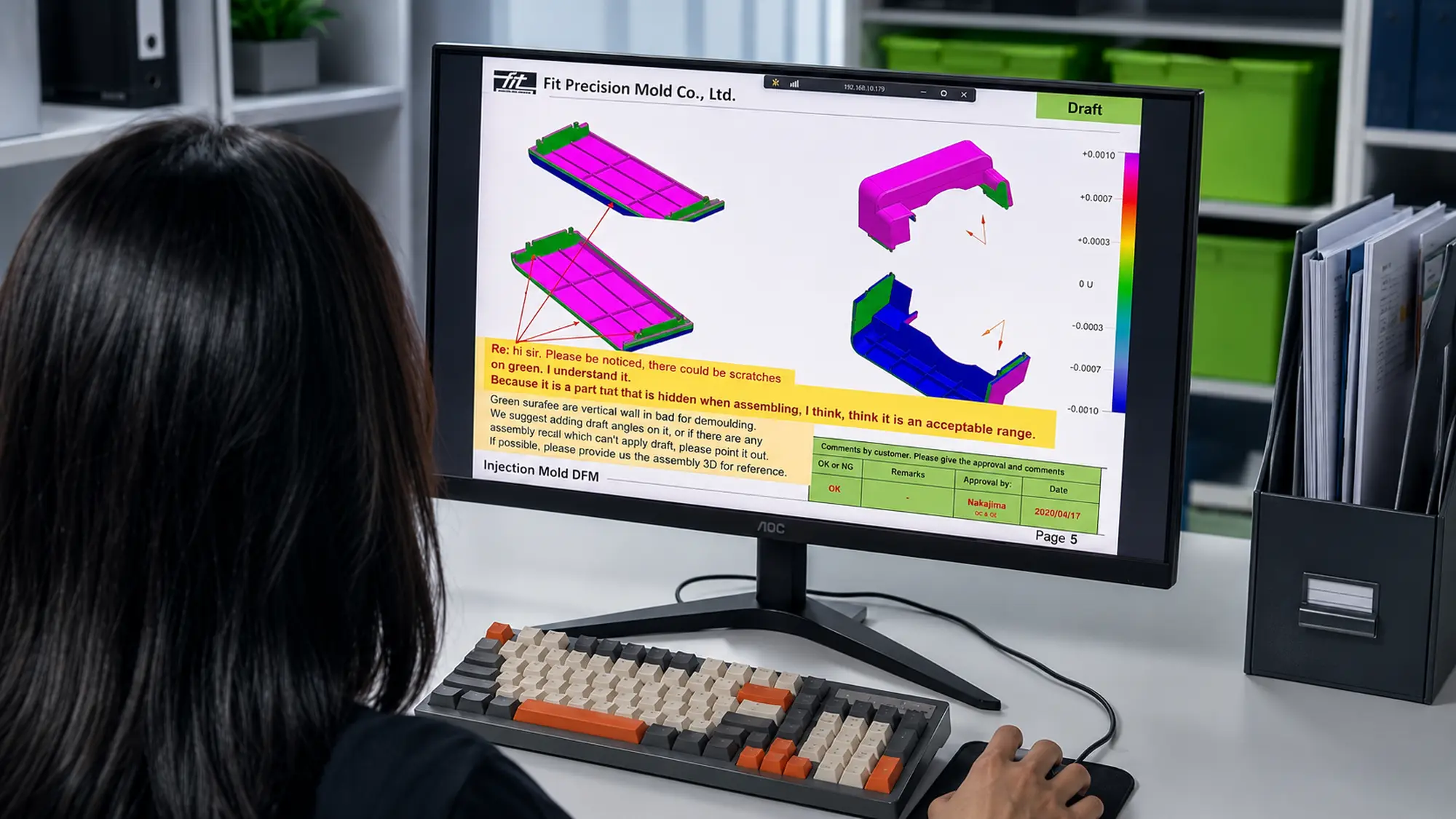
Different projects require different design priorities. Some products emphasize cost efficiency and stable production, while others place more importance on appearance, surface quality, dimensional control, or brand value. Design constraints may come from aesthetic requirements, functional structures, assembly needs, material selection, or expected production volume. Our approach is not to apply one rigid mold design standard to every project, but to evaluate each mold based on its application, production target, and long-term manufacturing objectives.
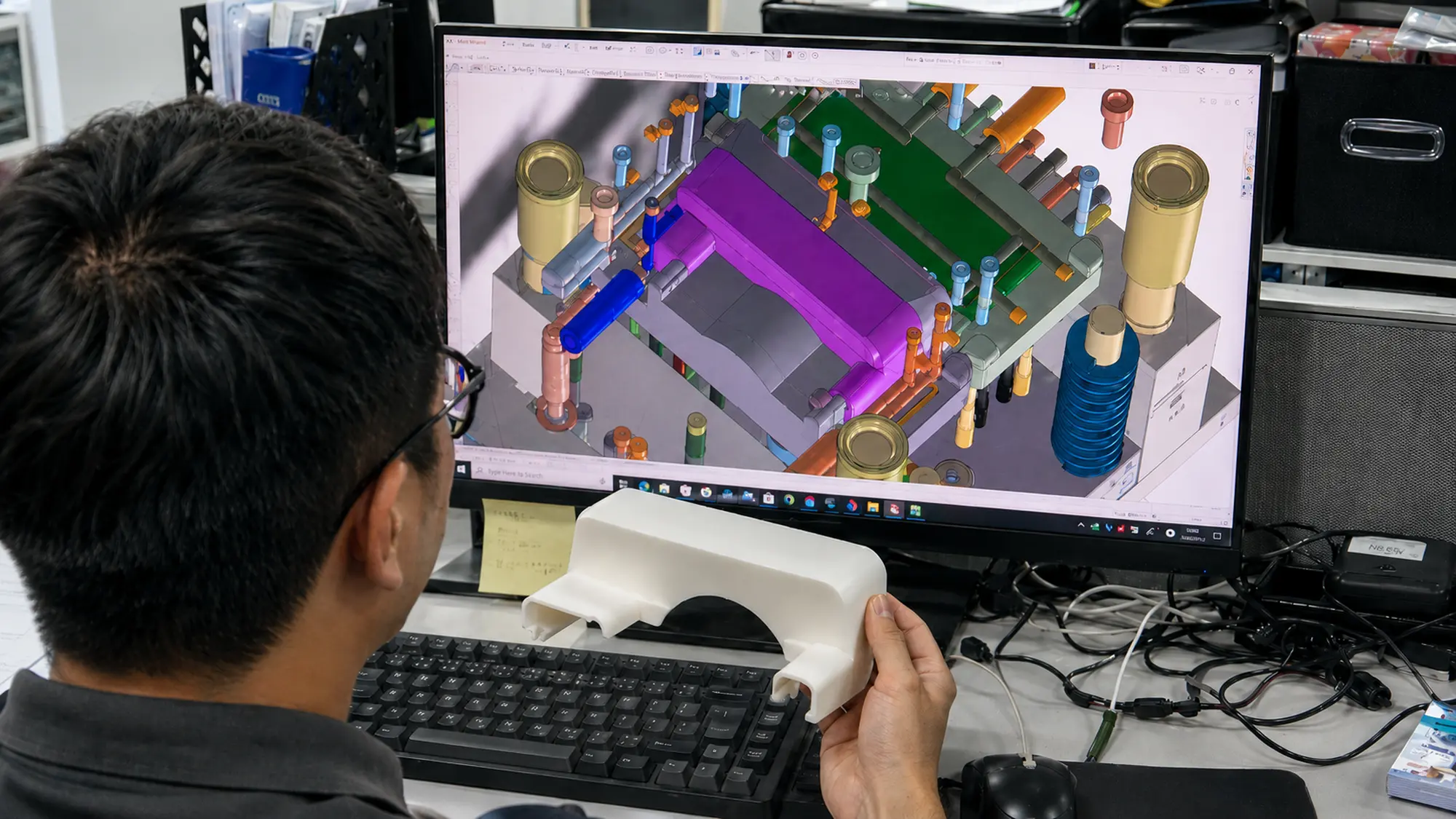
Many mold issues originate from decisions made at the design stage. Excessive structural complexity, aggressive geometry, weak draft, deep ribs, difficult undercuts, poor cooling access, thin steel areas, or designs operating too close to process limits can significantly increase production risk. We evaluate these factors early and recommend conservative or optimized solutions when stability is more important than pushing design limits. Unnecessary risks are avoided whenever possible, unless they are required by core product functionality.
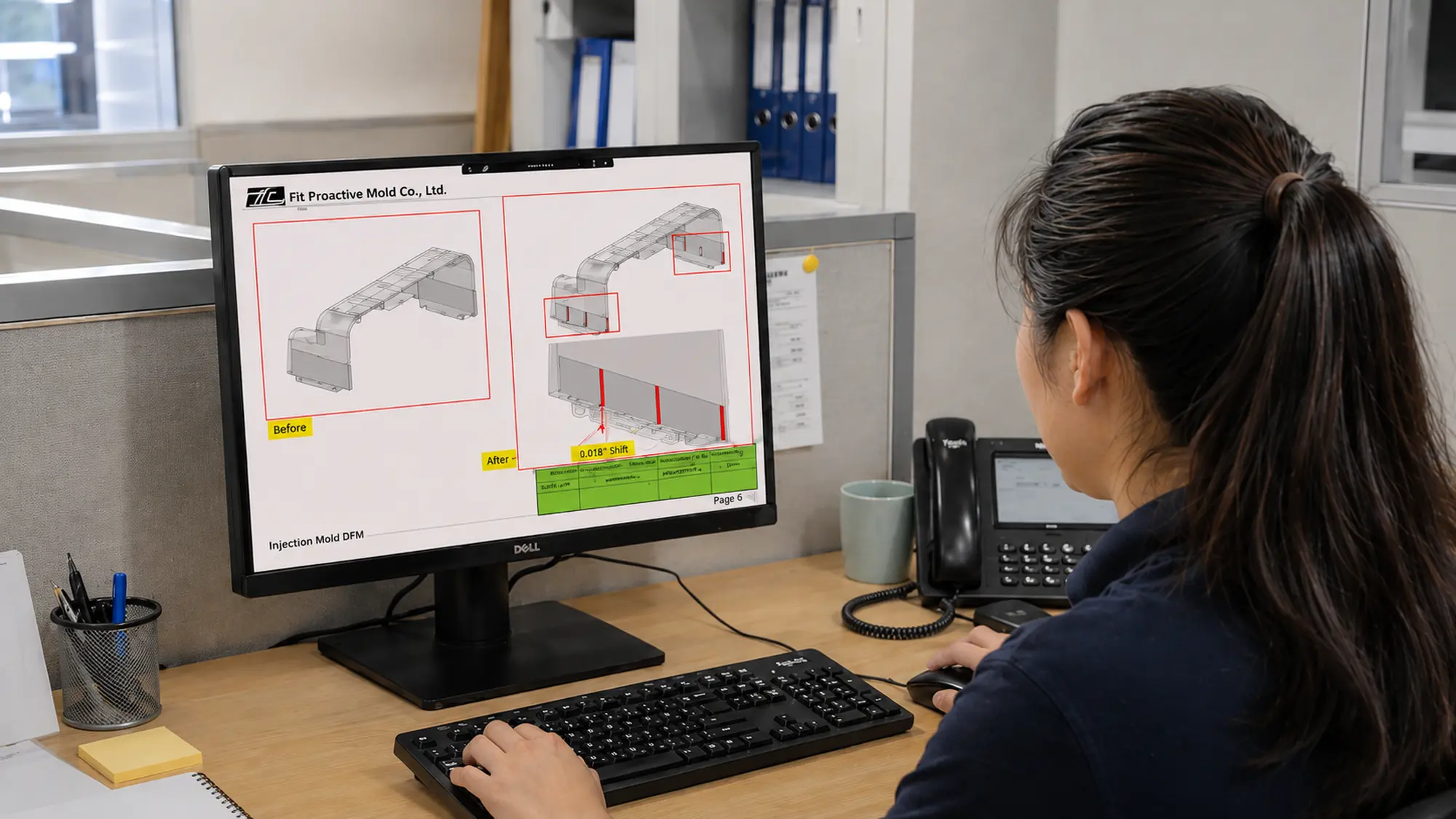
Mold design must be closely aligned with real manufacturing capability. Design feasibility is evaluated against actual machining accuracy, EDM capability, fitting work, polishing or texturing needs, injection molding stability, trial feedback, mold maintenance, and long-term production performance. When certain structures approach manufacturing limits, design adjustments are recommended to improve consistency and reduce repeated mold modifications. This manufacturing-driven approach helps ensure that mold designs can be executed reliably on the shop floor, not just in CAD.
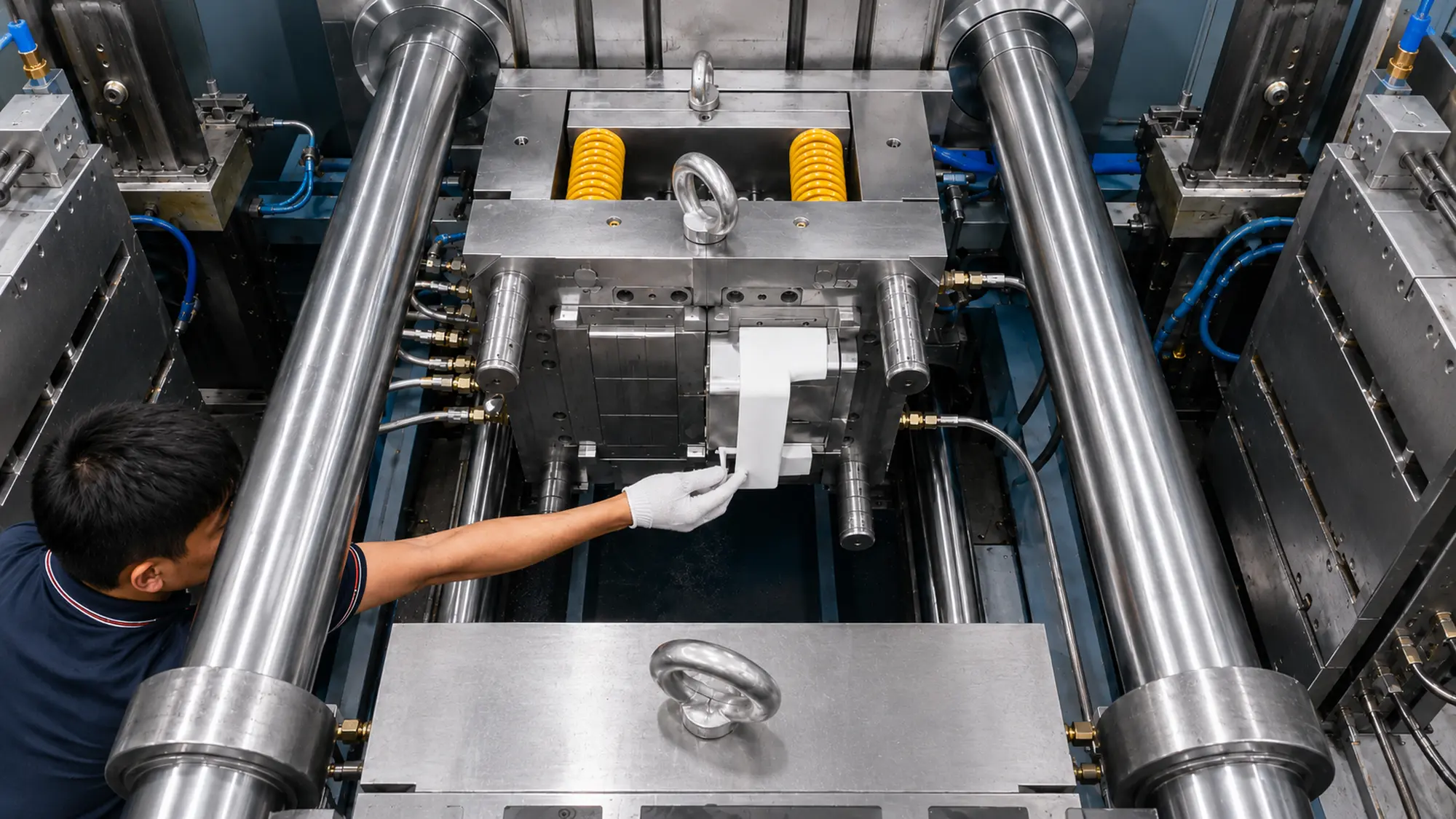
Mold design is not a fixed formula or a purely technical exercise. Different products, materials, commercial objectives, and manufacturing constraints require different engineering decisions. A mold design must consider parting strategy, gate location, ejection method, cooling layout, venting, inserts, sliders, draft angle, shut-off areas, and manufacturability validation. Our mold design engineering focuses on balancing product intent, tooling feasibility, cost, and production risk, so the mold can operate reliably instead of only looking complete on drawings.
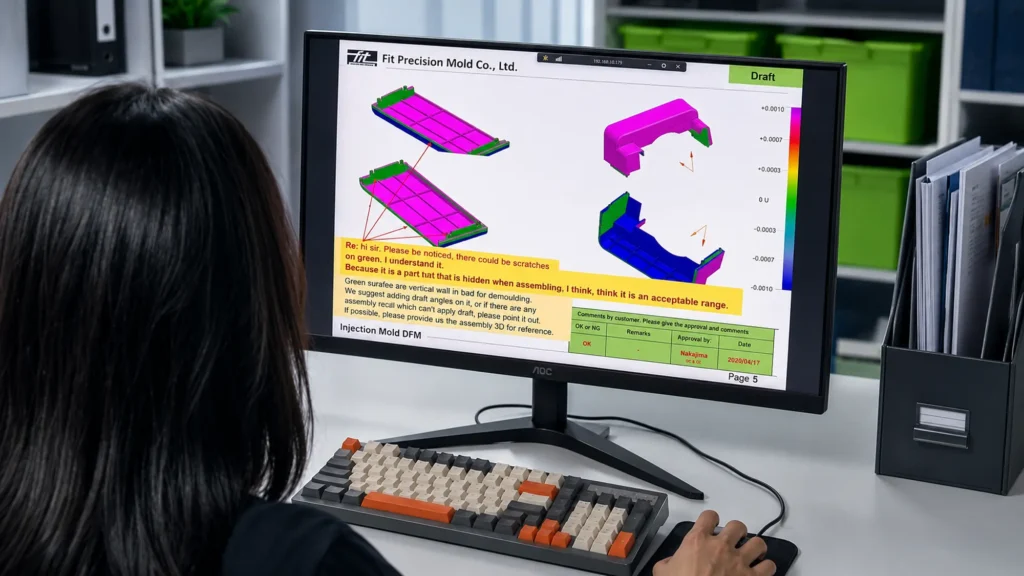
Different projects require different design priorities. Some products emphasize cost efficiency and stable production, while others place more importance on appearance, surface quality, dimensional control, or brand value. Design constraints may come from aesthetic requirements, functional structures, assembly needs, material selection, or expected production volume. Our approach is not to apply one rigid mold design standard to every project, but to evaluate each mold based on its application, production target, and long-term manufacturing objectives.
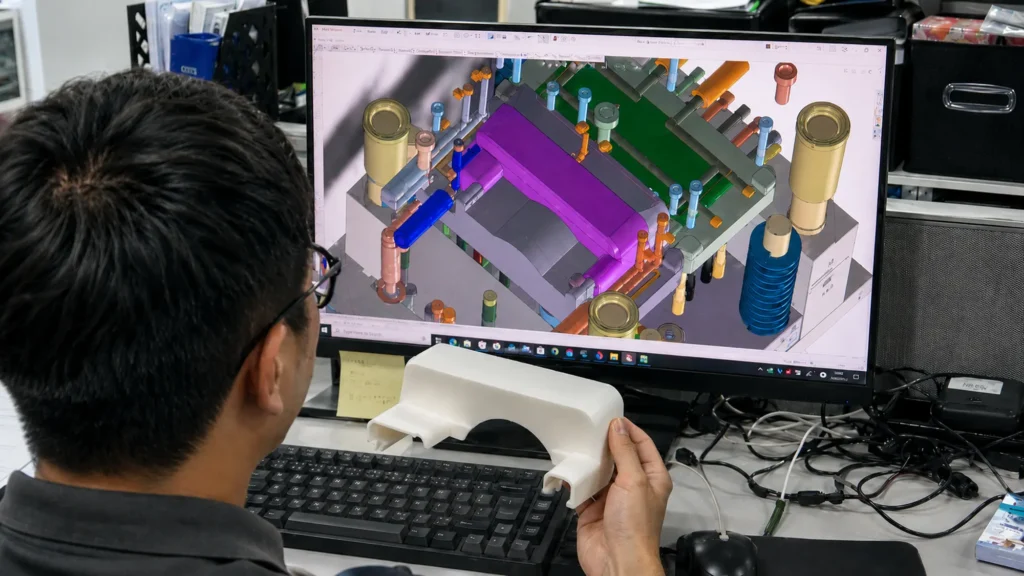
Many mold issues originate from decisions made at the design stage. Excessive structural complexity, aggressive geometry, weak draft, deep ribs, difficult undercuts, poor cooling access, thin steel areas, or designs operating too close to process limits can significantly increase production risk. We evaluate these factors early and recommend conservative or optimized solutions when stability is more important than pushing design limits. Unnecessary risks are avoided whenever possible, unless they are required by core product functionality.
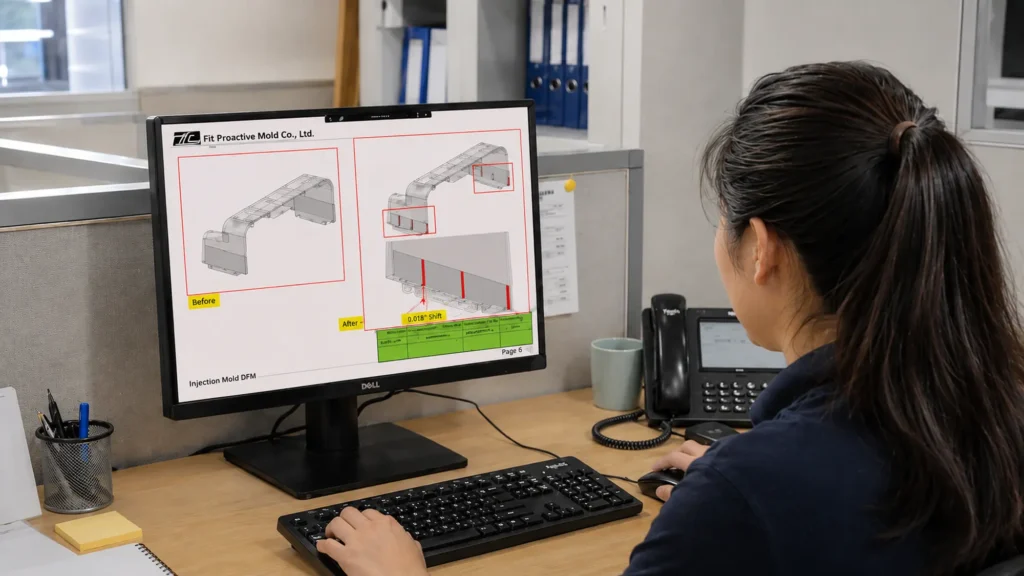
Mold design must be closely aligned with real manufacturing capability. Design feasibility is evaluated against actual machining accuracy, EDM capability, fitting work, polishing or texturing needs, injection molding stability, trial feedback, mold maintenance, and long-term production performance. When certain structures approach manufacturing limits, design adjustments are recommended to improve consistency and reduce repeated mold modifications. This manufacturing-driven approach helps ensure that mold designs can be executed reliably on the shop floor, not just in CAD.
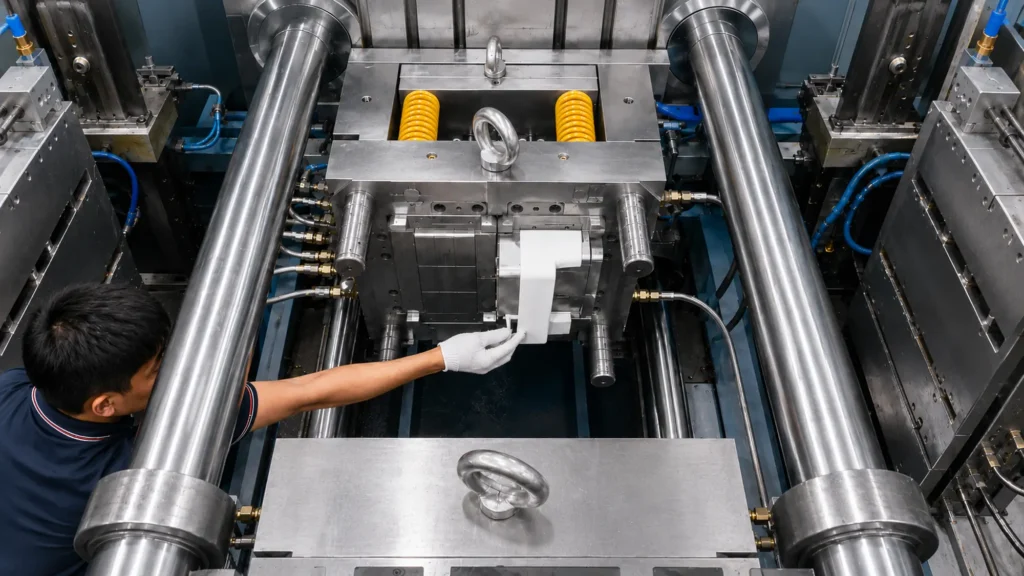
Send us your 3D files, 2D drawings, material requirements, surface finish, expected quantity, and production targets. We can review the part structure, identify tooling risks, and provide mold design support based on real mold making, trial molding, and production experience.